
Bagalamukhi Mata Katha – Chapter 4: Worship and Rituals
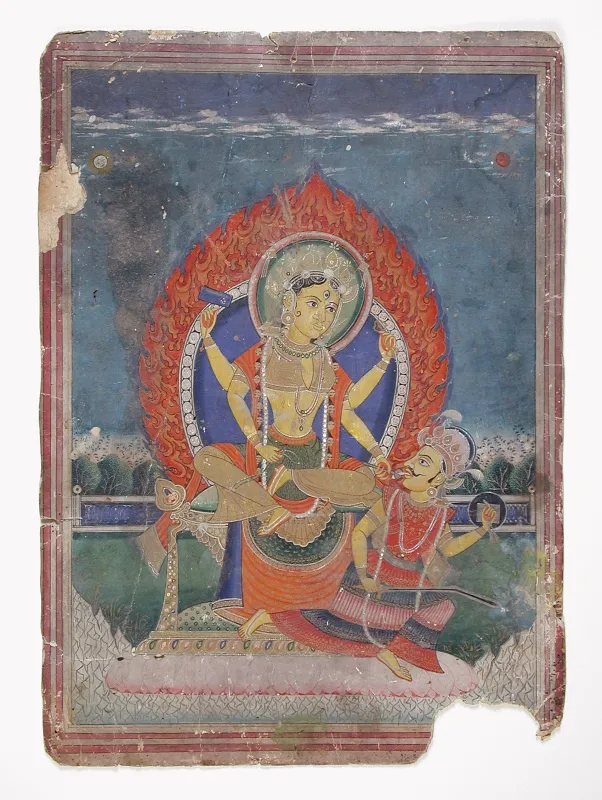
Worship and Rituals
After gaining knowledge of the form and power of Mother Baglamukhi through Puranic tales and various mentions, we now delve into the methods of her worship and rituals. These methods are not only a way to please the Mother but also provide the seeker with inner peace and a sense of fearlessness. Let us learn how Mother Baglamukhi is worshipped.
Chanting the Baglamukhi Mantra
Sit in a quiet room, facing the East. Wear pure, yellow clothes and calm your mind. Light a lamp with a yellow wick and place an idol or picture of Mother Baglamukhi. The fragrance of yellow incense filled the atmosphere, deepening the meditation. The priest gave instructions in a solemn voice, "Now, begin chanting the Baglamukhi mantra. Feel the Mother's power in every word."
The seeker closed their eyes and began to chant the mantra in a slow, rhythmic voice: "Om Hreem Bagalamukhi Devyai Hreem Om Namah". These words emerged from the depths of the mind, as if an inner force was pushing them out. He felt as if a yellow light was enveloping him, dispelling negative energy. "Is the Mother truly listening to me? Are my prayers reaching her?" he thought, but then, dispelling his doubts, he became absorbed in the chanting.
Installation and Worship of the Yantra
After chanting the mantra, the ritual of installing the Baglamukhi Yantra follows. The Yantra is a symbol of the Mother's power, and by establishing and worshipping it properly, the seeker attains special fruits. The Yantra was bathed with Panchamrita, then turmeric, saffron, and yellow flowers were offered to it. The priest consecrated the Yantra, saying, "This Yantra is no longer just a piece of metal; it is the living power of Mother Baglamukhi. It should be worshipped with true faith and devotion."
The seeker lit a ghee lamp in front of the Yantra and prayed with folded hands, "O Mother, I am ignorant, but you are merciful. Remove all my sufferings and give me the strength to walk the path of truth." He felt a subtle energy emanating from the Yantra, touching his heart. At that moment, he became convinced that Mother Baglamukhi was always ready to help him. The installation of the Yantra instilled a sense of wonderful peace and security in his mind.
The Significance of Yellow Color
Yellow color holds special significance in the worship of Mother Baglamukhi. Yellow color is a symbol of power, radiance, and victory. Yellow clothes, yellow flowers, yellow fruits, and yellow sweets are offered to the Mother. Even the seekers wear yellow clothes. It is believed that yellow color destroys negative energy and attracts positivity. The priest explained, "Yellow is the color of the sun, the source of knowledge and light. Mother Baglamukhi dispels the darkness of ignorance and spreads the light of wisdom."
The seeker understood the significance of the yellow color and felt that it was not just a color, but a symbol of the Mother's power. The yellow color always reminded him to walk the path of truth and justice. As the days passed, the seeker's devotion deepened, and he began to experience the grace of Mother Baglamukhi. But would this grace end his problems? Would he achieve victory over his enemies? To know this, let us move towards the next chapter.
Summary of Chapter 4: In this chapter, we have described the methods of worship and rituals of Mother Baglamukhi, including mantra chanting, installation and worship of the Yantra, and the significance of the yellow color. This demonstrates that the Mother can be pleased and her grace can be obtained through true devotion and faith.
📚 Baglamukhi Mata Katha — All Chapters
Today's Panchang 8 September 2026
For auspicious times, choghadiya, horoscope and planetary positions
Related Articles
Kalashtami Vrat – Chapter 5: The Fruit and Lesson of Devotion
कालाष्टमी व्रत का अध्याय 5 — भक्ति का फल और सीख। यह अंतिम अध्याय बताता है कि कालाष्टमी व्रत रखने से प्राप्त होने वाले परिणाम और इससे मिली सीख क्या है।
Kalashtami Vrat – Chapter 4: Divine Intervention and Blessings
कालाष्टमी व्रत का अध्याय 4 — दिव्य हस्तक्षेप और आशीर्वाद। अध्याय चार में, भगवान भैरव भक्त की अटूट भक्ति से प्रसन्न होते हैं और उसे अपना आशीर्वाद देते हैं।
Kalashtami Vrat – Chapter 3: Facing Trials and Tribulations
कालाष्टमी व्रत का अध्याय 3 — परीक्षा और कष्टों का सामना। इस अध्याय में, भक्त को भगवान की कृपा प्राप्त करने से पहले कई बाधाओं और परीक्षाओं का सामना करना पड़ता है।
Kalashtami Vrat – Chapter 2: Devotee's Plea and Devotion
कालाष्टमी व्रत का अध्याय 2 — भक्त की विनती और भक्ति। इस अध्याय में, एक भक्त की सच्ची भक्ति और भगवान भैरव से उसकी पुकार का वर्णन किया गया है।
Kalashtami Vrat – Chapter 1: The Origin of Kalashtami Vrat
कालाष्टमी व्रत का अध्याय 1 — कालाष्टमी व्रत का उद्भव। यह अध्याय बताता है कि कालाष्टमी व्रत का जन्म कैसे हुआ और इसका महत्व क्या है।
Patanjali Yoga Sutras – Chapter 5: Legacy: Union and Liberation
पातंजल योगसूत्र का अध्याय 5 — विरासत: मिलन और मुक्ति। यह अध्याय पतंजलि की विरासत, योग के माध्यम से मिलन और मुक्ति के मार्ग, और उनके दर्शन के शाश्वत महत्व को दर्शाता है।