
Jwalamukhi Mata Katha – Chapter 2: Vishnu Chakra: Construction of Shakti Peeth
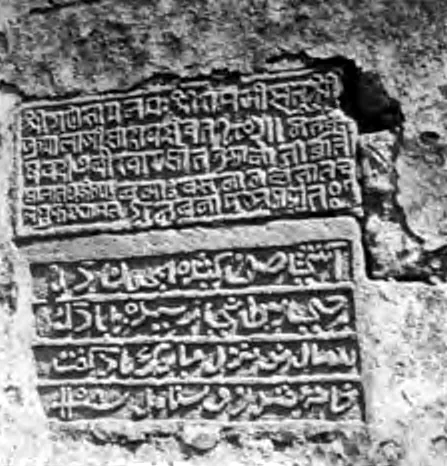
Vishnu Chakra: The Creation of Shakti Peethas
In the previous chapter, we heard the description of Sati's self-immolation and Shiva's wrath. After Sati's sacrifice, Shiva's grief took a monstrous form. He began to perform the Tandava dance across the universe with Sati's lifeless body, bringing the threat of cosmic dissolution upon creation. The gods collectively prayed to Lord Vishnu to resolve this crisis.
Vishnu's Intervention: The Use of the Sudarshana Chakra
Lord Vishnu, hearing the prayers of the gods, appeared immediately. He saw that Shiva's anger and grief were poised to consume creation. The earth trembled due to Shiva's Tandava, the oceans surged, and flames of fire reached the sky. Vishnu knew that he had to intervene to stop this catastrophe. His heart was filled with sympathy for Shiva, yet it was his duty to protect creation.
"O Shiva, I know your sorrow is immeasurable," Vishnu said in a calm voice, "but do not destroy creation with this grief. Sati's sacrifice should not be in vain. You must become calm, so that Dharma can be re-established." Even after this, when Shiva's Tandava did not stop, Vishnu was compelled to use the Sudarshana Chakra.
The Division of Sati's Limbs: The Origin of Shakti Peethas
Lord Vishnu invoked his Sudarshana Chakra. The Chakra, spinning at high speed, began to circle around Shiva. Then, in an instant, the Chakra divided Sati's body into many pieces. In the blink of an eye, the parts of Sati's body began to fall at different places on the earth. Wherever Sati's limbs fell, those places became sacred sites, known as Shakti Peethas. Each Shakti Peetha became a center of divine power, where Mother Bhagavati resides in various forms.
It is believed that the place where Sati's tongue fell is the site of Jwala Ji. At this place, flames spontaneously ignite from the earth's core, symbolizing the power of Mother Sati. Seeing these flames removes all the sufferings of devotees and grants them liberation. In Jwala Ji, Mother Sati resides in the form of flames and always blesses her devotees.
The Fall of the Tongue in Jwala Ji: The Manifestation of Power
Along with the falling of Sati's body parts, a divine power permeated the earth. In Jwala Ji, where Sati's tongue fell, a unique light was generated. That light gradually transformed into flames, which are still burning continuously today. These flames do not burn with any material but are ignited by the energy emanating from the earth's core. These flames are a symbol of Mother Sati's immortality and power, constantly reminding devotees that the power of truth and love always endures.
Shiva's Tandava had slowed down, but his grief was still profound. The act of Vishnu had saved creation from destruction. However, the search for these Shakti Peethas and Jwala Ji was yet to happen. In the next chapter, we will read the story of the discovery of Jwala Ji.
Summary of Chapter 2: In this chapter, we saw how Lord Vishnu used the Sudarshana Chakra to divide Sati's body, resulting in the creation of Shakti Peethas. The falling of Sati's tongue in Jwala Ji led to the manifestation of flames there, symbolizing divine power, indicating that God can be attained only through devotion and sacrifice.
Today's Panchang 28 July 2026
For auspicious times, choghadiya, horoscope and planetary positions
Related Articles
Kalashtami Vrat – Chapter 5: The Fruit and Lesson of Devotion
कालाष्टमी व्रत का अध्याय 5 — भक्ति का फल और सीख। यह अंतिम अध्याय बताता है कि कालाष्टमी व्रत रखने से प्राप्त होने वाले परिणाम और इससे मिली सीख क्या है।
Kalashtami Vrat – Chapter 4: Divine Intervention and Blessings
कालाष्टमी व्रत का अध्याय 4 — दिव्य हस्तक्षेप और आशीर्वाद। अध्याय चार में, भगवान भैरव भक्त की अटूट भक्ति से प्रसन्न होते हैं और उसे अपना आशीर्वाद देते हैं।
Kalashtami Vrat – Chapter 3: Facing Trials and Tribulations
कालाष्टमी व्रत का अध्याय 3 — परीक्षा और कष्टों का सामना। इस अध्याय में, भक्त को भगवान की कृपा प्राप्त करने से पहले कई बाधाओं और परीक्षाओं का सामना करना पड़ता है।
Kalashtami Vrat – Chapter 2: Devotee's Plea and Devotion
कालाष्टमी व्रत का अध्याय 2 — भक्त की विनती और भक्ति। इस अध्याय में, एक भक्त की सच्ची भक्ति और भगवान भैरव से उसकी पुकार का वर्णन किया गया है।
Kalashtami Vrat – Chapter 1: The Origin of Kalashtami Vrat
कालाष्टमी व्रत का अध्याय 1 — कालाष्टमी व्रत का उद्भव। यह अध्याय बताता है कि कालाष्टमी व्रत का जन्म कैसे हुआ और इसका महत्व क्या है।
Patanjali Yoga Sutras – Chapter 5: Legacy: Union and Liberation
पातंजल योगसूत्र का अध्याय 5 — विरासत: मिलन और मुक्ति। यह अध्याय पतंजलि की विरासत, योग के माध्यम से मिलन और मुक्ति के मार्ग, और उनके दर्शन के शाश्वत महत्व को दर्शाता है।