
Bhagavad Gita – Chapter 6: Self-Control and Meditation
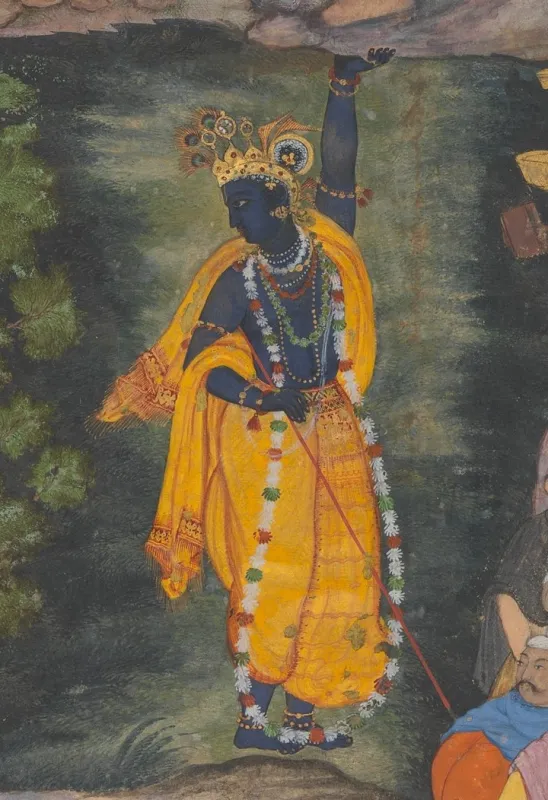
Self-Control and Meditation
In the previous chapter, Arjuna had understood the true meaning of renunciation, the depth of detachment. He was inspired to act without attachment to the fruits of his actions, but the restlessness of the mind stood as a major question. Sensing Arjuna's distress, Lord Krishna now prepared to impart the teachings on the path of self-control and meditation.
The Method of Dhyana Yoga
In the dust-laden aura of the battlefield, Lord Krishna looked at Arjuna with a calm, steady mind. There were questions in Arjuna's eyes, worry, and a glimpse of the storm raging within his mind. At that moment, Krishna began to explain the method of Dhyana Yoga to Arjuna. He said, "Arjuna, choose a quiet place, where there is solitude and where there is nothing to disturb the mind. Spread a clean seat, preferably of Kusha grass, or deer skin is also suitable." He further said, "Sit steady, keeping the body, neck, and head in a straight line. Fix your gaze on the tip of your nose. Calm your mind and be free from any kind of fear." There was a rustling of banyan leaves in the air, as if nature itself was listening intently to Krishna's words. Arjuna absorbed his Guru's words in his heart, the vision of a yogi's peaceful life filled his consciousness.
Arjuna asked, "But O Keshav, the mind is extremely restless, swift as the wind! How can it be controlled?" Krishna smiled and said, "Arjuna, through practice and detachment. Just as a skilled charioteer controls unruly horses with reins, so can the mind be controlled through practice. Detachment means non-attachment to worldly objects. Gradually, keep practicing, and the mind will become calm."
The Way to Control the Mind
Krishna explained to Arjuna that controlling the mind is a continuous process, a battle fought within oneself. He said, "For one whose mind is controlled, the path of self-knowledge becomes easy. But for one whose mind is not controlled, this path is difficult." Krishna further said, "He who neither eats too much nor fasts completely, who neither sleeps too much nor stays awake, for him, Yoga destroys suffering." He inspired Arjuna to live a balanced life, a life filled with restraint and self-control. Arjuna heard these words of the Lord, and a new ray of hope dawned in his mind. He felt that he too could control his mind, become calm and steady.
Krishna said in a compassionate voice, "Arjuna, do not despair. Keep practicing. I am with you. Whoever walks on my path with faith, I surely attain them." Arjuna bowed his head at Krishna's feet, receiving his blessings. He became convinced that with the Lord's grace, he could conquer even this difficult path.
The Life of a Yogi
Krishna, describing the life of a yogi to Arjuna, said, "A yogi is one who remains equal in pleasure and pain, honor and dishonor, cold and heat. He sees earth, stone, and gold with an equal eye. He maintains an equal attitude towards friends, enemies, and indifferent persons." Krishna told Arjuna that the life of a yogi is a penance, a spiritual discipline, which leads him to the ultimate truth. The mind of a true yogi always remains calm and steady, and he remains unaffected by the sorrows of the world. Krishna inspired Arjuna to experience that supreme bliss which is attained through self-control and meditation. He also explained to Arjuna that the mind can be controlled and the Supreme Being can be realized only through continuous practice. Arjuna resolved that he would control his mind by following the path of Yoga and attain the Supreme Being. At the end of this chapter, a new hope and enthusiasm filled Arjuna's mind. He was eager to learn more about the Supreme Being in the next chapter.
Summary of Chapter 6: In this chapter, Lord Krishna told Arjuna about the path of self-control and meditation. He described the methods of controlling the mind, the life of a yogi, and the method of Dhyana Yoga. The purpose of this chapter is to make Arjuna understand that through self-control and meditation, one can attain the Supreme Truth.
📚 Bhagavad Gita — All Chapters
- 1. Arjuna's Dilemma: An Introduction
- 2. Sankhya Yoga: True Knowledge
- 3. Karma Yoga: The Path of Action
- 4. Jnana Yoga: The Path of Knowledge
- 5. Sannyasa Yoga: True Freedom
- 6. Self-Control and Meditation
- 7. The Supreme Divinity: Realization
- 8. Vishwaroop Darshan: Cosmic Vision
- 9. Bhakti Yoga: The Path of Devotion
Today's Panchang 13 September 2026
For auspicious times, choghadiya, horoscope and planetary positions
Related Articles
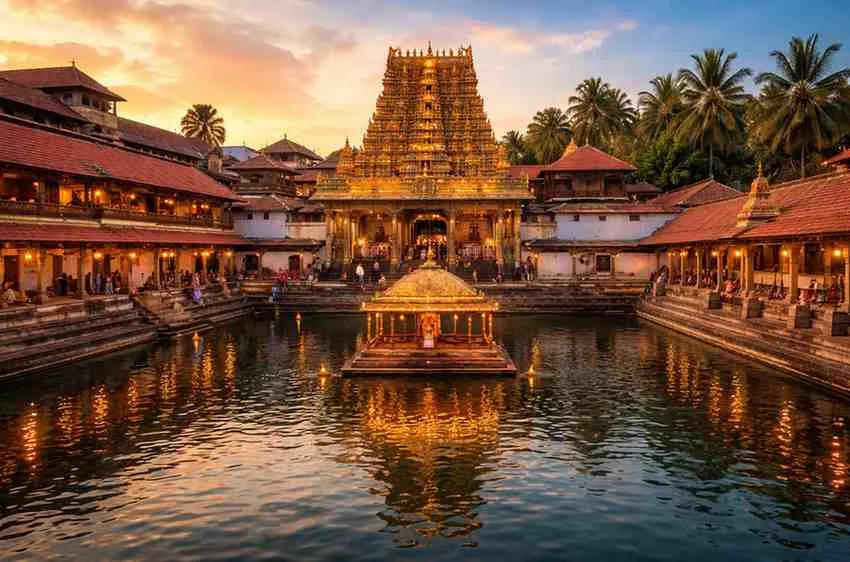
Udupi Shri Krishna Mandir – Darshan Timings, History, How to Reach | Complete Information
उडुपी श्री कृष्ण मंदिर का इतिहास, दर्शन समय, पहुंच मार्ग और महत्व जानें, जो कर्नाटक का एक प्रमुख धार्मिक स्थल है। यह प्राचीन मंदिर अपने अनूठे दर्शन और आध्यात्मिक वातावरण के लिए विख्यात है।
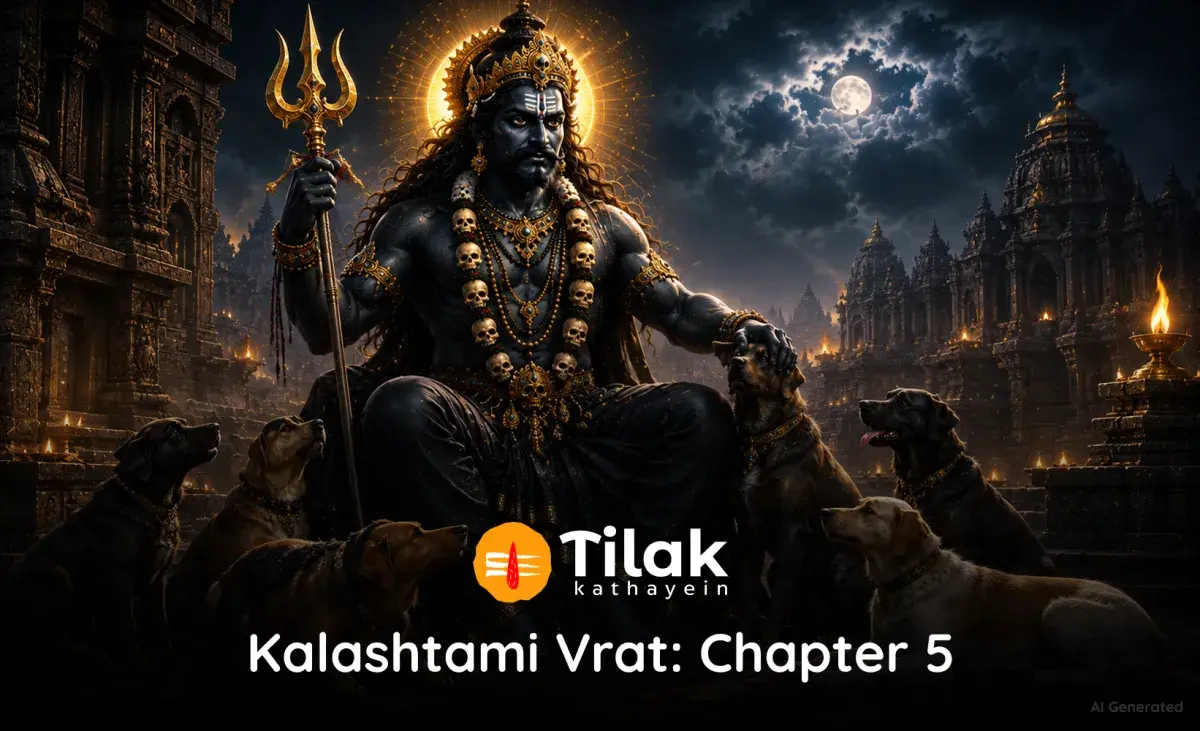
Kalashtami Vrat – Chapter 5: The Fruit and Lesson of Devotion
कालाष्टमी व्रत का अध्याय 5 — भक्ति का फल और सीख। यह अंतिम अध्याय बताता है कि कालाष्टमी व्रत रखने से प्राप्त होने वाले परिणाम और इससे मिली सीख क्या है।
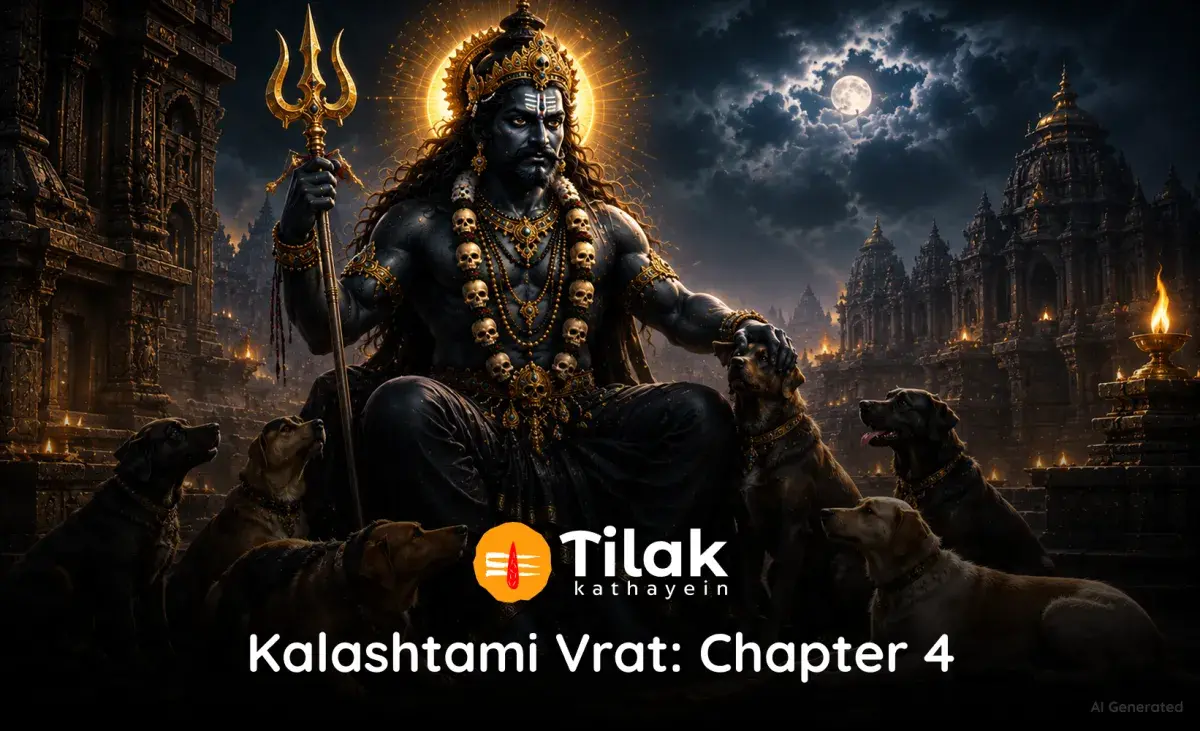
Kalashtami Vrat – Chapter 4: Divine Intervention and Blessings
कालाष्टमी व्रत का अध्याय 4 — दिव्य हस्तक्षेप और आशीर्वाद। अध्याय चार में, भगवान भैरव भक्त की अटूट भक्ति से प्रसन्न होते हैं और उसे अपना आशीर्वाद देते हैं।
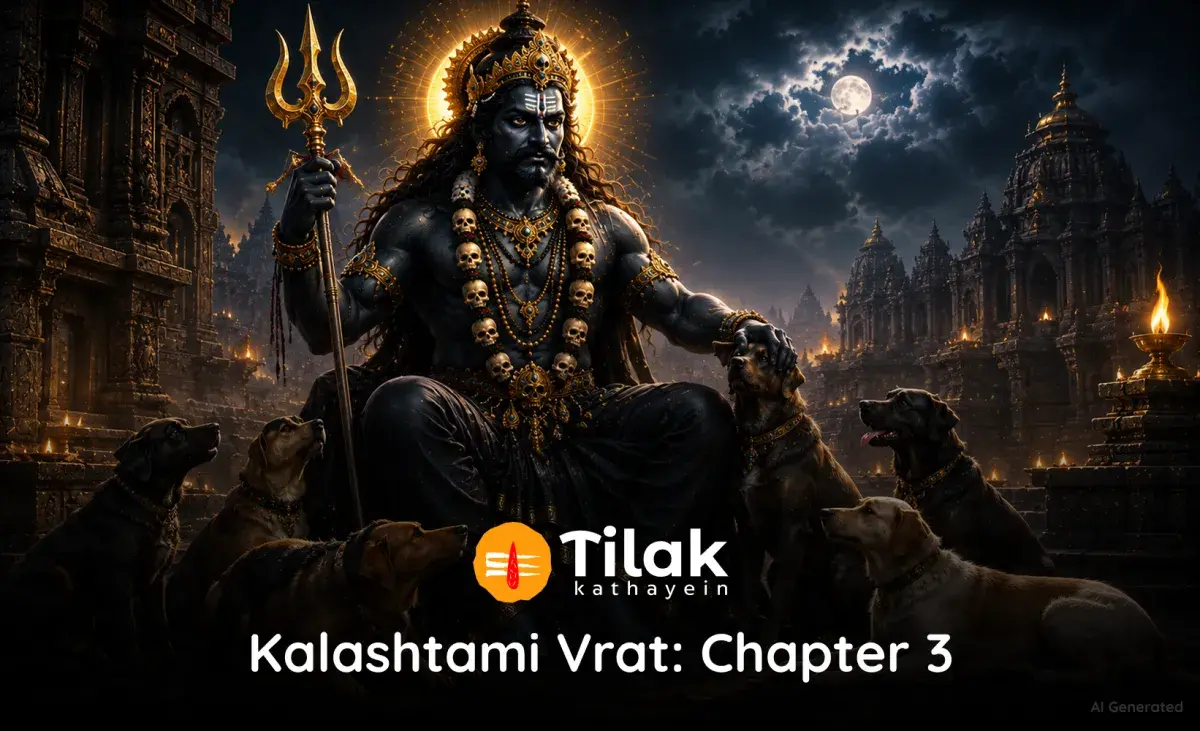
Kalashtami Vrat – Chapter 3: Facing Trials and Tribulations
कालाष्टमी व्रत का अध्याय 3 — परीक्षा और कष्टों का सामना। इस अध्याय में, भक्त को भगवान की कृपा प्राप्त करने से पहले कई बाधाओं और परीक्षाओं का सामना करना पड़ता है।
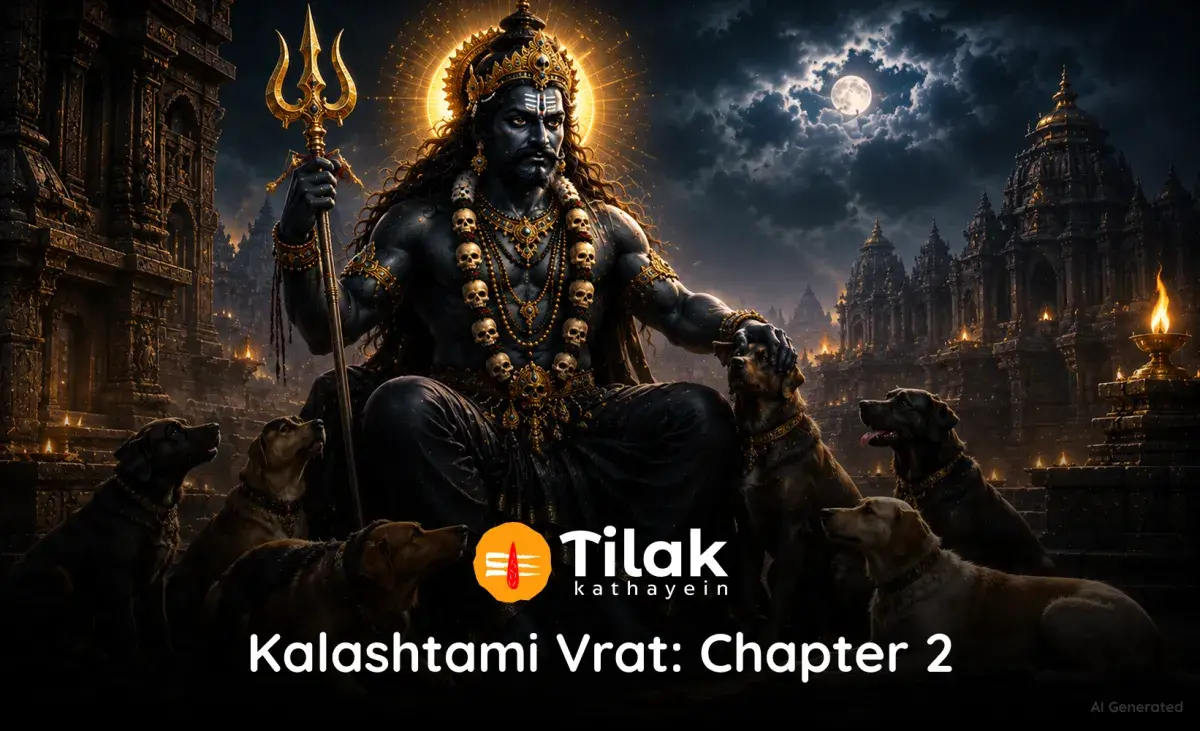
Kalashtami Vrat – Chapter 2: Devotee's Plea and Devotion
कालाष्टमी व्रत का अध्याय 2 — भक्त की विनती और भक्ति। इस अध्याय में, एक भक्त की सच्ची भक्ति और भगवान भैरव से उसकी पुकार का वर्णन किया गया है।
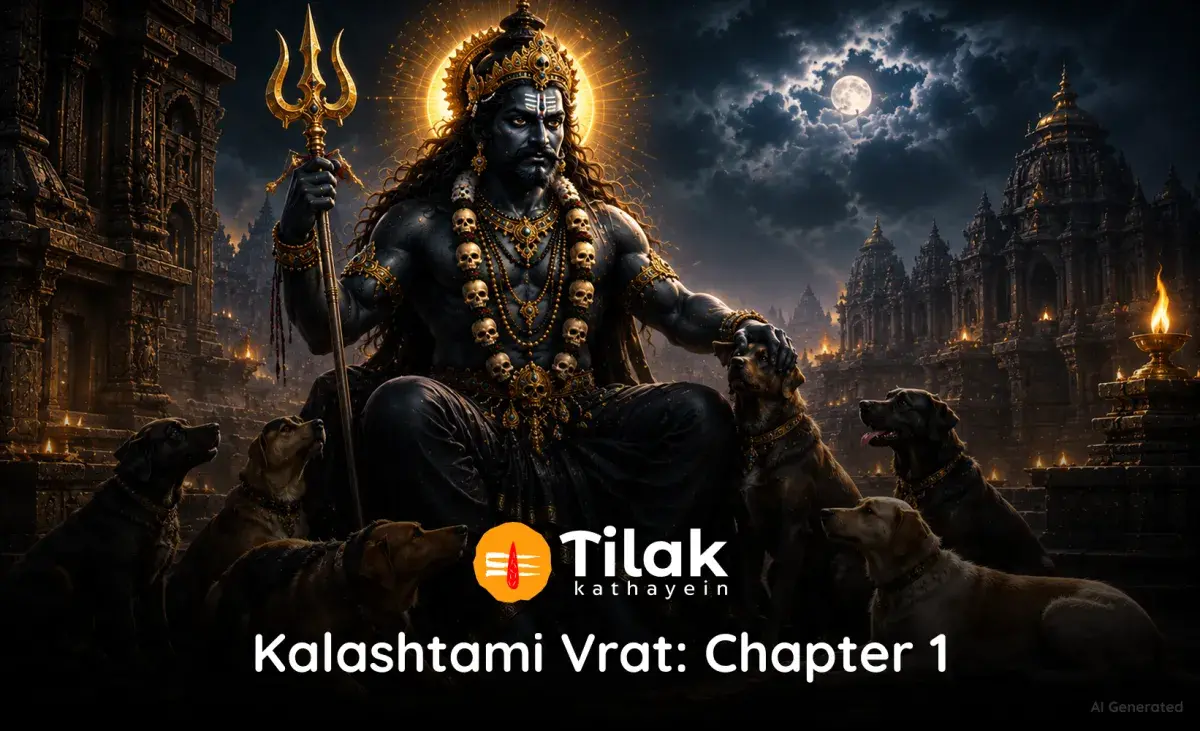
Kalashtami Vrat – Chapter 1: The Origin of Kalashtami Vrat
कालाष्टमी व्रत का अध्याय 1 — कालाष्टमी व्रत का उद्भव। यह अध्याय बताता है कि कालाष्टमी व्रत का जन्म कैसे हुआ और इसका महत्व क्या है।