
Monday Fast | Shiv Puja, Vrat Katha and Method for Wish Fulfillment - 2026
📋 Table of Contents
Monday Vrat – Introduction and Significance
The Monday Vrat is observed on Mondays of the Krishna and Shukla Paksha in each lunar month. This fast is dedicated to Lord Shiva. In 2026, the Monday Vrat will commence from the month of January. This fast is observed to receive the grace of Lord Shiva and to fulfill one's desires.
From a religious and spiritual perspective, the Monday Vrat holds a significant place in Hinduism. This fast is a special way of worshipping Lord Shiva and is considered extremely fruitful. This fast purifies the soul and aids in attaining salvation.
This festival is special from other festivals in that it is more focused on personal devotion and faith. It emphasizes individual spiritual practice rather than collective celebration. This fast is a symbol of simplicity and dedication.
Mythological Story
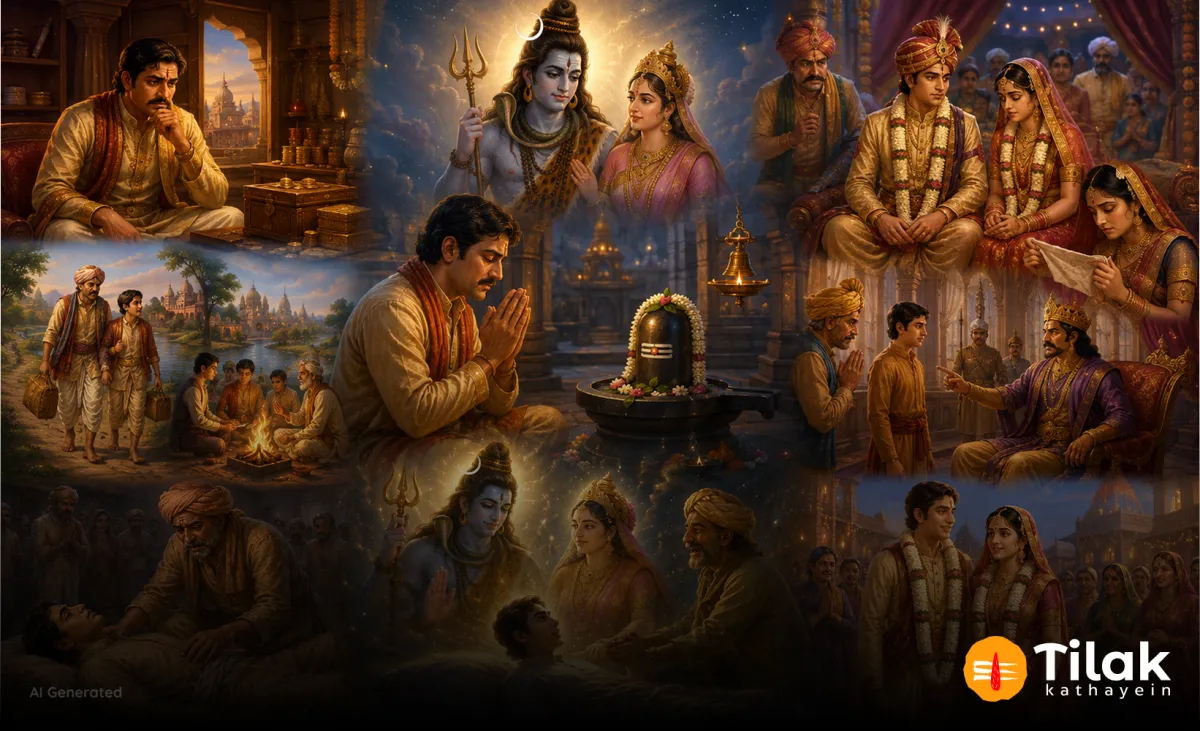
In ancient times, in a city named Anandpur, lived a very prosperous merchant named Dhaneshwar. His business extended to many kingdoms, and all the people of the city respected him due to his virtuous conduct, generosity, and honesty. He lacked nothing in terms of wealth, prestige, and comfort, yet there was one great sorrow in his life. He had no children. This worry plagued him day and night: who would look after his vast business and family after him?
With the desire for a child, Dhaneshwar observed the Monday Vrat to Lord Shiva according to the prescribed rituals every Monday. With utmost devotion, he performed the Jalabhishek of the Shivalinga, offered Belpatra, and in the evening, went to the ancient Mahadev Temple of the city to light a pure ghee lamp and worship Lord Bholenath. Seeing his unwavering devotion and dedication, Goddess Parvati was extremely pleased. She requested Lord Shiva to fulfill the wish of the devoted merchant.
Lord Shiva smiled and said, "Devi, in this world, every being receives the fruits according to their karma. Whatever one does, they receive the corresponding result."
However, Goddess Parvati was deeply impressed by the merchant's selfless devotion. She repeatedly pleaded with Lord Shiva to bestow his grace upon that true devotee. Finally, accepting the Goddess's request, Lord Shiva granted the merchant the boon of having a son.
While granting the boon, Lord Shiva told Goddess Parvati, "At your request, I am giving him the joy of a son, but his son will live only until the age of sixteen."
That very night, Lord Shiva appeared in the merchant's dream. He blessed him with a son and also informed him that his son would live only until the age of sixteen.
The merchant was overjoyed by the Lord's boon, but his heart was also troubled upon learning the secret of his son's short lifespan. Nevertheless, he did not let his devotion or the Monday Vrat falter in any way. After some time, a very beautiful and radiant son was born in his house. An atmosphere of joy spread throughout the family and the city, and the birth celebration was observed with great fanfare.
Time passed, and the child gradually grew up. When he was twelve years old, the merchant decided to send him to Kashi Dham with his maternal uncle for higher education. The uncle and nephew set off on their journey. Wherever they rested, they performed yajnas, fed Brahmins, and gave donations before moving on.
After many days of travel, they reached a city called Suvarnapur. On that very day, the king of that city's princess was to be married. The entire city was adorned with grand decorations for the festival. The groom's party had arrived, but the groom's father was extremely worried because his son was blind in one eye. He feared that if the king came to know of this, the marriage would be called off, and he would be disgraced throughout the kingdom.
Meanwhile, his gaze fell upon the merchant's handsome and radiant son. A plan formed in his mind. He thought that if this young man were seated in the wedding pavilion as the groom, the marriage would be completed without any hindrance. Later, they would give him money and send him away, and send the princess with their real son.
He presented this proposal to the boy's maternal uncle. Driven by the lure of money, the uncle accepted his proposal. The merchant's son was dressed as a groom, and the marriage was solemnized with the princess according to Vedic rites. The king, immensely pleased, bid farewell to the princess with valuable clothes, jewelry, gems, and money.
However, the merchant's son was righteous. He could not accept this deception. Before departing, he wrote on the princess's veil— "Princess, your actual marriage is with me. I am going to Kashi for my education. The young man with whom you will be sent away is blind in one eye."
When the princess read this message, she clearly refused to go with that young man. When the king learned of the entire incident, he let his daughter stay in the palace and did not accept the deceitful marriage.
Meanwhile, the merchant's son reached Kashi Dham with his uncle and began his studies at the Gurukul. Time passed, and when he turned sixteen, he organized a grand yajna. After the yajna was completed, he fed the Brahmins and gave donations of clothes, grains, and dakshina. At night, he went to his room to rest. As per Lord Shiva's boon, his lifespan ended that night, and he breathed his last.
In the morning, when his uncle saw him in a lifeless state, he began to wail. People from the vicinity also gathered there and expressed their grief.
At that very moment, Lord Shiva and Goddess Parvati were passing by in an invisible form. Goddess Parvati heard the sorrowful lament and said to Lord Shiva, "Lord, I cannot bear to see this person's suffering. Please help him."
Lord Shiva went closer and said, "Devi, this is the merchant's son to whom I had granted a lifespan of sixteen years. His allotted age has been completed."
But Goddess Parvati again pleaded with Lord Shiva to grant life back to this boy, honoring the devotion of the merchant and the Monday Vrat. Pleased by the Goddess's loving insistence, Lord Shiva granted the young man the boon of returning to life. Within moments, the young man sat up alive.
After completing his education, the young man started returning to his city with his uncle. On the way, they again reached the city of Suvarnapur where his marriage had taken place. There, they organized another yajna. The king of the city saw them and recognized them immediately.
After the yajna concluded, the king respectfully took them to the palace. He hosted them grandly for a few days and then, after performing the proper farewell rituals for his daughter, sent her back with the young man with honor. Along with her, he also provided valuable wealth, clothes, gems, and many gifts.
Meanwhile, the merchant and his wife were extremely anxious awaiting their son's return. They had vowed to give up their lives if they received news of their son's death. Just then, they received news that their son was returning safely. Upon hearing this, their joy knew no bounds. They went to welcome him at the city gates with their family and friends.
When the merchant saw his son alive and found the princess as his daughter-in-law with him, his heart was filled with joy. That night, Lord Shiva again appeared in his dream and said, "O noble merchant! Pleased by your unwavering devotion, the Monday Vrat, and the faithful listening to the Vrat Katha, I have granted your son a long life."
Hearing the words of Lord Shiva, the merchant and his entire family were extremely happy. They worshipped Lord Shiva and observed the Monday Vrat faithfully throughout their lives.
Whoever observes the Monday Vrat with a true heart, worships Lord Shiva, and faithfully listens to the Vrat Katha, Lord Bholenath fulfills their desires, removes life's troubles, and bestows blessings of happiness, peace, and prosperity upon their family.
Worship Method 2026
The worship method for the Monday Vrat involves bathing in the morning and wearing clean clothes. After this, an idol or Shivalinga of Lord Shiva is installed, and it is bathed with water, milk, curd, honey, and ghee.
| Time | Worship/Ritual | Specialty |
|---|---|---|
| Morning | Bath and Meditation | Bathe before sunrise and meditate on Lord Shiva. |
| 9:00 AM | Shivalinga Abhishek | Perform Abhishek of the Shivalinga with milk, curd, honey, and water. |
| 12:00 PM | Aarti and Mantra Chanting | Perform Shiva Aarti and chant the mantra 'Om Namah Shivaya'. |
| 6:00 PM | Evening Aarti | Perform Aarti again in the evening and recite Shiva Chalisa. |
| 8:00 PM | Vrat Parana | Break the fast after offering Bhog to the deity. |
Chanting the mantra 'Om Namah Shivaya' during worship is considered extremely fruitful. The Shiva Aarti 'Jai Shiv Omkara' is sung, which is a hymn in praise of Lord Shiva.
Prasad and Special Dishes
- Kheer – Kheer is a popular sweet dish prepared during the Monday Vrat. It is made from rice, milk, and sugar, with the flavors of cardamom and saffron added.
- Singhare ka Halwa – This halwa is made from water chestnut flour, sugar, and ghee. It provides energy during the fast and is also delicious.
- Panchamrit – This is a traditional offering made from milk, curd, honey, ghee, and sugar. It is offered to Lord Shiva and then distributed as prasad.
Fruits, milk, curd, and sago can be consumed during the Monday Vrat. Grains, lentils, and salt are not consumed during the fast.
How it is Celebrated in India
The traditions of the Monday Vrat are very prevalent in North India. Here, people visit Lord Shiva's temples and offer water to the Shivalinga. Rudrabhishek is specially performed on this day.
In West, South, and East India, the Monday Vrat is also celebrated in different ways. In some regions, special pujas are performed, while in others, bhajan-kirtan sessions are organized. The fast is observed according to the local traditions of each region.
On the Monday Vrat, homes are decorated with flowers and torans. Women wear green and yellow clothes, which are considered auspicious. Folk songs of Lord Shiva are sung on this day, and cultural programs are organized.
Preparation and Decoration
Before the Monday Vrat, the house is cleaned, and a sacred space is prepared to install the idol or Shivalinga of Lord Shiva. Pooja materials and necessary items are purchased one or two days before the fast.
Traditional decorations include making rangoli, lighting lamps, and decorating with flowers. Modern decorations involve the use of fairy lights and pictures of Lord Shiva.
Frequently Asked Questions
When is the Monday Vrat in 2026?
The Monday Vrat in 2026 will begin from the first Monday of January. This fast will be observed every Monday. The auspicious time is at sunrise.
What should be donated on Monday Vrat?
On Monday Vrat, food and clothes should be donated to the poor. Donating ghee and oil in Shiva temples is also considered auspicious.
Who can observe the Monday Vrat?
Anyone who has faith in Lord Shiva can observe the Monday Vrat. Women, men, and children can all observe this fast.
Conclusion
The Monday Vrat holds deep spiritual significance in modern Hindu life. It strengthens family bonds, preserves cultural heritage, and deepens devotion towards Lord Shiva. This fast teaches us the importance of simplicity, sacrifice, and dedication.
Best wishes to all devotees observing the Monday Vrat. Happy Monday Vrat!
Today's Panchang 27 October 2026
For auspicious times, choghadiya, horoscope and planetary positions
Related Articles
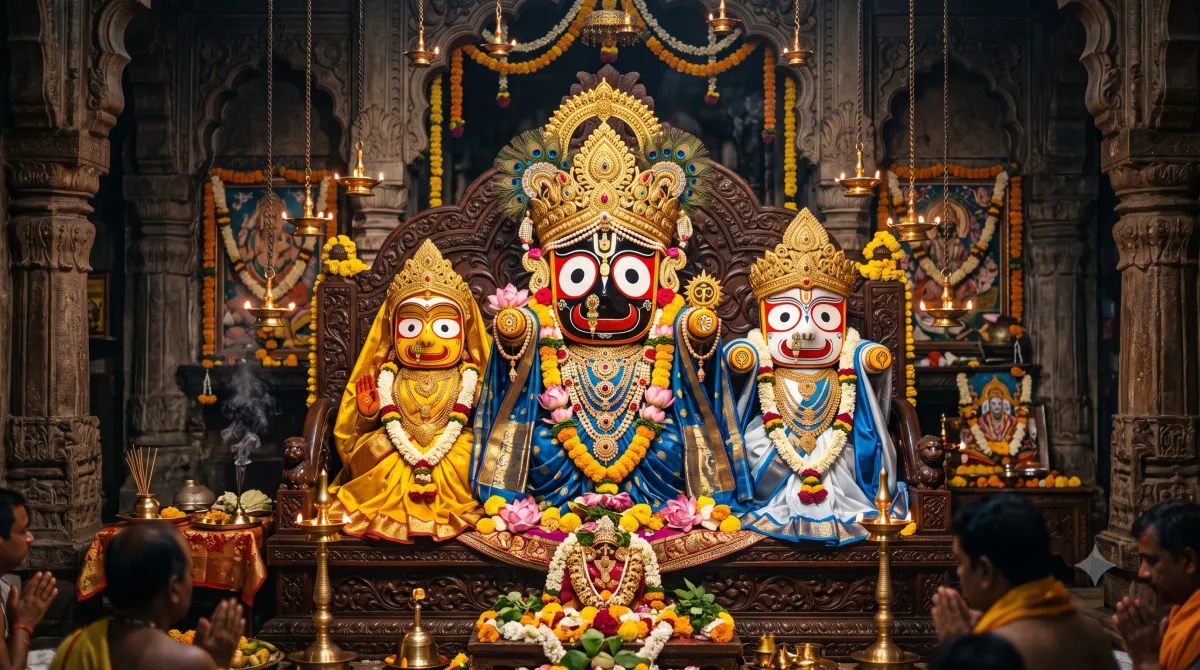
Introduction to Lord Jagannath | History, Mythology, Form, and Significance
भगवान जगन्नाथ भगवान श्रीकृष्ण के दिव्य स्वरूप माने जाते हैं और ओडिशा के पुरी में स्थित श्री जगन्नाथ मंदिर विश्वभर के करोड़ों श्रद्धालुओं की आस्था का केंद्र है।
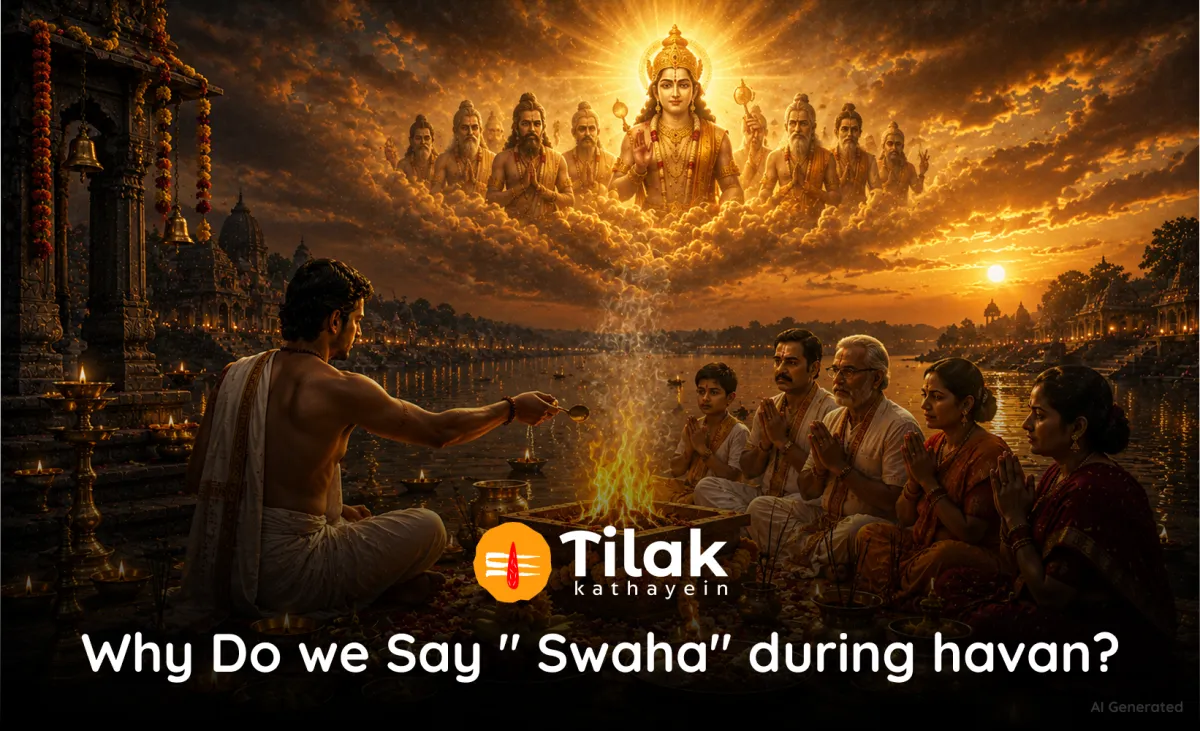
Why Do We Say "Swaha" During Havan?
स्वाहा हिंदू धर्म में एक महत्वपूर्ण मंत्र है, जो यज्ञ में आहुति की पूर्णता का प्रतीक है। यह देवी स्वधा का एक रूप है और पितरों को तृप्त करने व देवताओं को प्रसन्न करने के लिए प्रयोग किया जाता है।
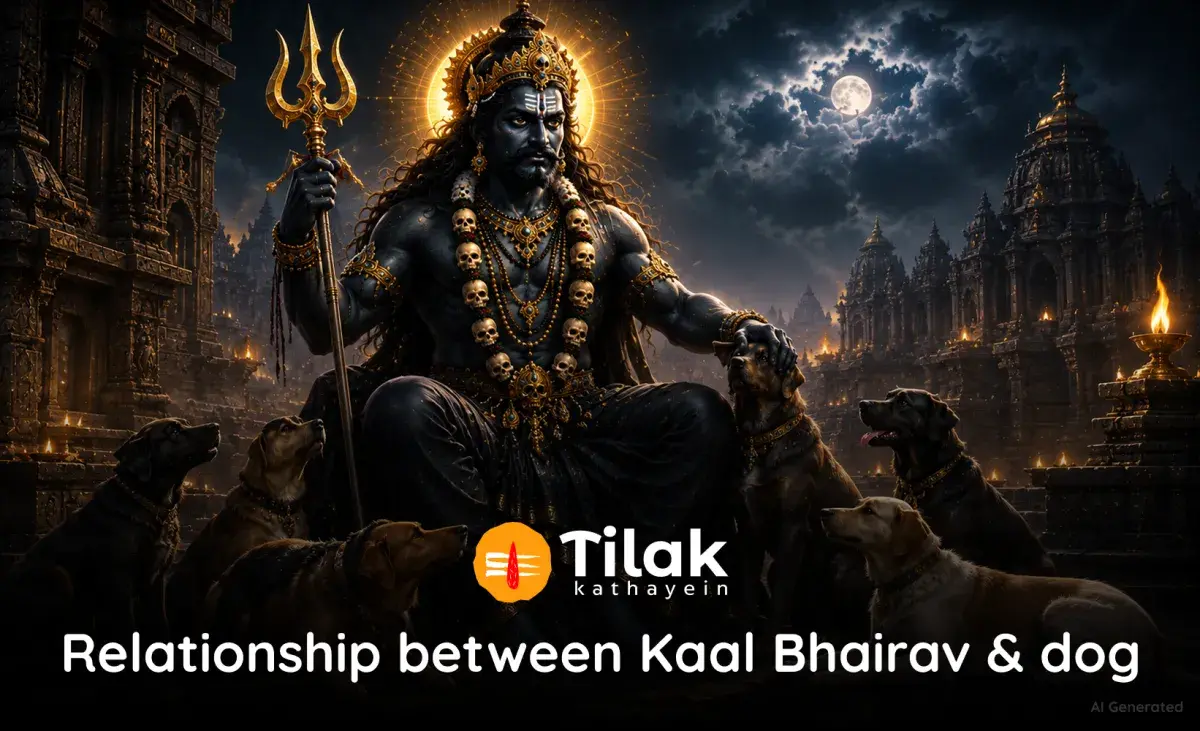
Kaal Bhairav and the Dog: Mythological Significance
कालभैरव का वाहन कुत्ता है, जो रक्षा और वफादारी का प्रतीक माना जाता है। हिंदू धर्म में, भैरव को शिव का रौद्र रूप और काशी का कोतवाल कहा जाता है, जिनकी पूजा अनिष्ट निवारण और सुरक्षा के लिए की जाती है।
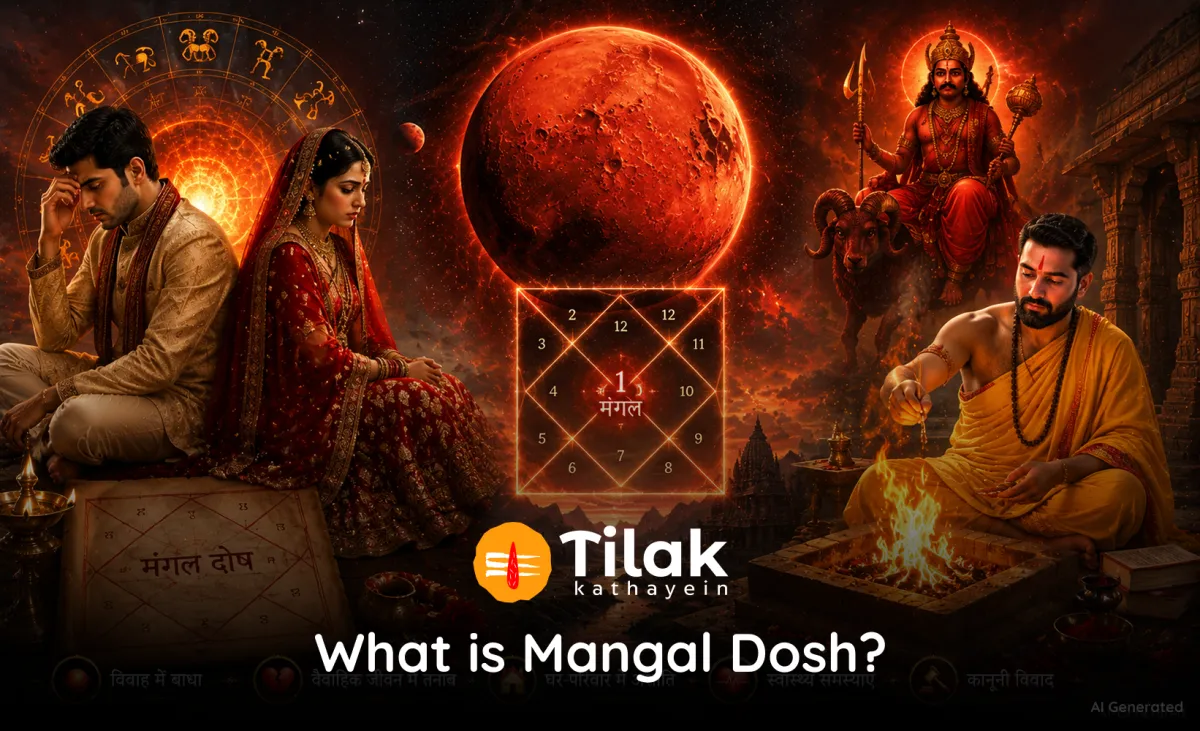
What is Mangal Dosha?
हिंदू धर्म में मंगल दोष का गहन महत्व है, जो विवाह और व्यक्तिगत जीवन को प्रभावित करता है। यह दोष ज्योतिषीय गणना पर आधारित है और इसके निवारण के उपाय भी बताए गए हैं।
Shri Kartikeya Chalisa | Shri Kartikeya Chalisa
श्री कार्तिकेय चालीसा का सम्पूर्ण पाठ, अर्थ सहित, पढ़ने के लाभ और महत्व को विस्तार से जानें। यह चालीसा भगवान कार्तिकेय की शक्ति, बुद्धि और विजय की प्राप्ति का मार्ग प्रशस्त करती है।
Radha Chalisa | राधा चालीसा – संपूर्ण पाठ, अर्थ और लाभ 2026
राधा चालीसा – सम्पूर्ण पाठ, शब्दार्थ, विधि और लाभ। 2026 में राधा चालीसा हिंदी में पढ़ें।