
Why Did Shri Ram Receive a 14-Year Exile? Uncover the Mythological Secret
📋 Table of Contents
- Introduction: From Coronation to Exile – Why Exactly 14 Years?
- Reason 1: Tretayuga's Royal Law and Succession Law (Main Reason)
- Reason 2: Two Boons from the Devasura War and Manthara's Diplomatic Web
- Reason 3: The Crisis of the Gods and Goddess Saraswati's Change of Speech
- Reason 4: The Curse of Devarshi Narada and the Past-Life Connection of 14 Years of Separation
- Reason 5: Spiritual and Yogic Secret – 14 Years and Victory over 14 Senses
- Frequently Asked Questions (FAQs)
- Conclusion: 14 Years of Exile – A Prince's Penance to Become Maryada Purushottam
- Read Also (Deep Secrets of Ramayana and Sanatana Dharma)
Introduction: From Coronation to Exile – Why Exactly 14 Years?
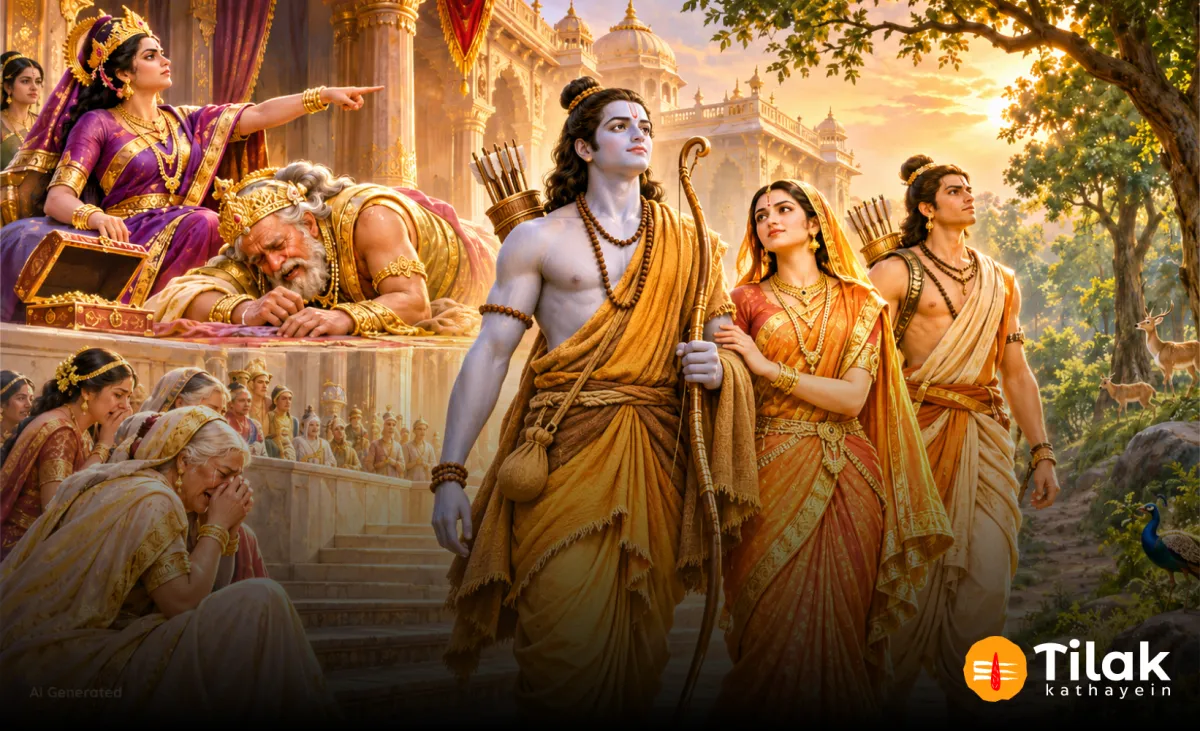
The streets of Ayodhya were adorned with festoons, lamps, and auspicious songs. King Dasharatha had already announced the coronation of his eldest and most virtuous son, Shri Ram. The entire populace was immersed in joy, but in a single night, destiny took such a turn that the head which was to be adorned with a golden crown had to depart for the forest, clad in matted locks.
This episode from the Ramayana shakes every reader. However, when we analyze this event minutely, a very logical question arises in the mind—why did Mother Kaikeyi ask King Dasharatha for exactly 14 years of exile for Shri Ram for Bharata's sake? Why didn't she ask for 10, 12, 15, or exile for life?
Through deep study of Valmiki Ramayana, Ramcharitmanas, and the scriptures, it is known that this period of '14 years' was not a coincidence, but behind it lay five profound secrets of contemporary politics, royal laws, past-life curses, and divine purpose.
"Nava pancha cha varshani Dandakaranyamashritah |
Cheerajinajataadhari Ramobhavatu Tapasah ||"
(Meaning: Kaikeyi said in her boon, "O King! Let Ram reside in the Dandakaranya forest for nine and five, meaning a full fourteen years, as an ascetic—wearing bark clothes, deerskin, and matted hair.")
Reason 1: Tretayuga's Royal Law and Succession Law (Main Reason)
The biggest and most practical reason behind asking for 14 years of exile for Shri Ram was the political and administrative system of Tretayuga:
- Legal Limit of 14 Years: According to ancient Indian royal dharma and scriptures (like Manusmriti and contemporary royal laws), if a prince or king remains away from his kingdom, capital, and throne for a continuous period of 14 years, his legal right to that kingdom and throne automatically ceases.
- Securing Bharata's Throne: Manthara and Kaikeyi were extremely clever and politically astute. They knew that the people of Ayodhya loved Shri Ram immensely. If Ram had returned after 5 or 10 years, the people and ministers would have made Ram king again, and Bharata would have remained merely a regent.
- Clearing the Path Legally: Kaikeyi was confident that with Bharata ruling for 14 years, the people would become accustomed to Bharata, and due to the legal rule after 14 years, Shri Ram, even if he wished, would not be able to claim the throne.
(Interesting Fact: This rule was also prevalent during the Mahabharata era. This is why Shakuni and Duryodhana asked the Pandavas for 12 years of exile and 1 year of incognito, a total of 13 years, so that they could demand their kingdom back in the 14th year, leading to a situation of war or dispute.)
Reason 2: Two Boons from the Devasura War and Manthara's Diplomatic Web
Mother Kaikeyi loved Shri Ram even more than her own son Bharata. When Manthara first gave her the news of Ram's coronation, Kaikeyi, in her joy, gifted her precious necklace to Manthara.
However, Manthara sowed the seeds of insecurity and doubt in Kaikeyi's mind. Manthara said that King Dasharatha had deliberately sent Bharata to his maternal uncle's place (Kekaya country) so that Ram could be made king in his absence, and after becoming king, Ram would either banish Bharata or imprison him.
Gripped by this fear, Kaikeyi went to the chamber of anger and demanded the two boons from Dasharatha, which King Dasharatha had promised to grant during the Devasura war (when Kaikeyi saved Dasharatha's life by placing her finger in the axle of the chariot wheel). In the first boon, she asked for Bharata's coronation, and in the second boon, she asked for Ram's exile for 14 years.
Reason 3: The Crisis of the Gods and Goddess Saraswati's Change of Speech
In the Ayodhya Kanda of Ramcharitmanas, Goswami Tulsidas Ji describes a very divine secret behind this event. When all the gods, sages, and Gandharvas saw that Shri Ram was about to be crowned in Ayodhya, they became extremely worried.
The gods deliberated: if Shri Ram remained in the palaces as the King of Ayodhya, how would the demon king Ravana, Kumbhakarna, and Meghanada, who were causing atrocities on Earth, be slain? How would the hermitages of the sages be protected, and how would the creation be redeemed?
"Naam Manthara mandamati cheri Kaikei kee.
Ajas petari taahi kari gai gira mati pheri॥"
At the earnest prayer of the gods, Goddess Mother Saraswati, the presiding deity of speech, first altered the intellect of the maid Manthara, and then, residing on Mother Kaikeyi's tongue, caused the words of 14 years of exile to be spoken from her mouth. Thus, Shri Ram's departure to the forest was, in reality, a divine resolve for the welfare of the gods and the establishment of Dharma.
Reason 4: The Curse of Devarshi Narada and the Past-Life Connection of 14 Years of Separation
In the Shiva Purana and the Bal Kanda of Ramcharitmanas, an extremely interesting past-life story is narrated. Once, Devarshi Narada became arrogant about his penance and victory over Kamadeva. To break his pride, Lord Vishnu, through his yogamaya, created a divine city. At the swayamvara (marriage selection ceremony) of the princess of this city, Narada asked the Lord for his beautiful 'Hari' form.
Lord Vishnu, with the intention of welfare, gave Narada the form of a 'Hari' (monkey). Angered by being made a laughingstock at the swayamvara, Devarshi Narada cursed Lord Vishnu—"Just as I had to wander and suffer separation for a woman today, similarly, when you incarnate on Earth, you too will have to wander from place to place in separation from your wife, and monkeys will be your helpers."
Lord Vishnu accepted Narada's curse. To uphold the sanctity of that curse, Shri Ram had to perform the drama of 14 years of exile, the abduction of Sita, and the slaying of Ravana with the help of monkeys.
Reason 5: Spiritual and Yogic Secret – 14 Years and Victory over 14 Senses
In Indian spirituality and Yoga philosophy, the number '14' holds a very deep symbolic meaning:
- Complete Control over 14 Senses: A total of 14 principal senses (karan) are considered in the human body—5 organs of perception (eyes, ears, nose, tongue, skin), 5 organs of action (hands, feet, speech, genitals, anus), and 4 internal organs (mind, intellect, consciousness, ego).
- A Complete Cycle of Penance: The 14 years of exile symbolize that if a person can discipline these 14 senses and live a life of restraint and penance for 14 years, they rise from an ordinary prince (Ram) to become 'Maryada Purushottam Shri Ram'.
- Welfare of 14 Worlds: This 14-year journey was essential for establishing Dharma in the 14 realms of the universe and for conveying the message of social harmony by embracing forest dwellers, mountain dwellers, Nishadraj, Shabari, Kevat, and the monkey community.
Frequently Asked Questions (FAQs)
1. Why did Shri Ram receive exile for only 14 years, not 15 or 20 years?
According to the royal law of Tretayuga, if a prince remained away from the throne for 14 years, his legal right to the throne would cease. Kaikeyi chose the exact period of 14 years to permanently secure Bharata's throne.
2. What was Lord Ram's age during his 14 years of exile?
According to the introduction given by Mother Sita to Ravana in Valmiki Ramayana's Aranya Kanda, Lord Shri Ram was approximately 27 years old and Mother Sita was approximately 18 years old when they went into exile.
3. Which major places did Shri Ram reside in during his 14 years of exile?
Shri Ram spent most of his exile in Chitrakoot, Dandakaranya, Panchavati (Nashik), Kishkindha, Rameshwaram, and finally in Lanka, slaying Ravana.
4. Were Lakshmana and Mother Sita also ordered into exile?
No, Kaikeyi only asked for exile for Shri Ram. However, Mother Sita, adhering to the dharma of a devoted wife, and Lakshmana, out of brotherly love and service, voluntarily decided to accompany Shri Ram to the forest.
Conclusion: 14 Years of Exile – A Prince's Penance to Become Maryada Purushottam
If Shri Ram had become king by staying in the royal palace of Ayodhya, he would have remained merely a great emperor of the Ikshvaku dynasty. However, the 14 years of exile made him the soul of all of India. By living in the forest, he not only ended the tyranny of Ravana but also established the highest ideal of humanity and equality by honoring Kevat, Nishadraj, Shabari, Jatayu, and the monkeys.
This episode teaches us that the difficult circumstances and struggles that come in life are not meant to break us, but to temper us and make us 'Maryada Purushottam'.
"Ramo vigrahavaan dharmah sadhuh satyaparakramah."
(Shri Ram is the personification of Dharma itself; he is virtuous and possesses the valor of truth.)🚩 Jai Shri Ram! Siyavar Ramchandra Ki Jai! 🙏🏹🪔
Read Also (Deep Secrets of Ramayana and Sanatana Dharma):
- Why Did Lakshmana Never Sleep for 14 Years? Know the Secret of the Goddess of Sleep: The unimaginable sacrifice of Urmila, the naming of 'Gudakesh', and the complete mythological story of Meghanada's slaying.
- Rameshwaram Jyotirlinga: Shri Ram's Installation of the Shivalinga and its Story: The secret of Lord Shri Ram's creation of the Shivalinga from sand and the 22 sacred kunds before the victory over Lanka.
- What Was the Real Secret Behind Ravana's 10 Heads? Were they truly ten heads, or a symbol of knowledge of 6 Shastras, 4 Vedas, and 10 vices? Know the scriptural evidence.
- Where Were the Real Mother Sita During the Abduction of Sita? (The 'Chhaya Sita' Episode): The profound mythological truth of the illusory Sita abducted by Ravana in Panchavati, seeking refuge with Lord Agni.
Today's Panchang 24 November 2026
For auspicious times, choghadiya, horoscope and planetary positions
Related Articles
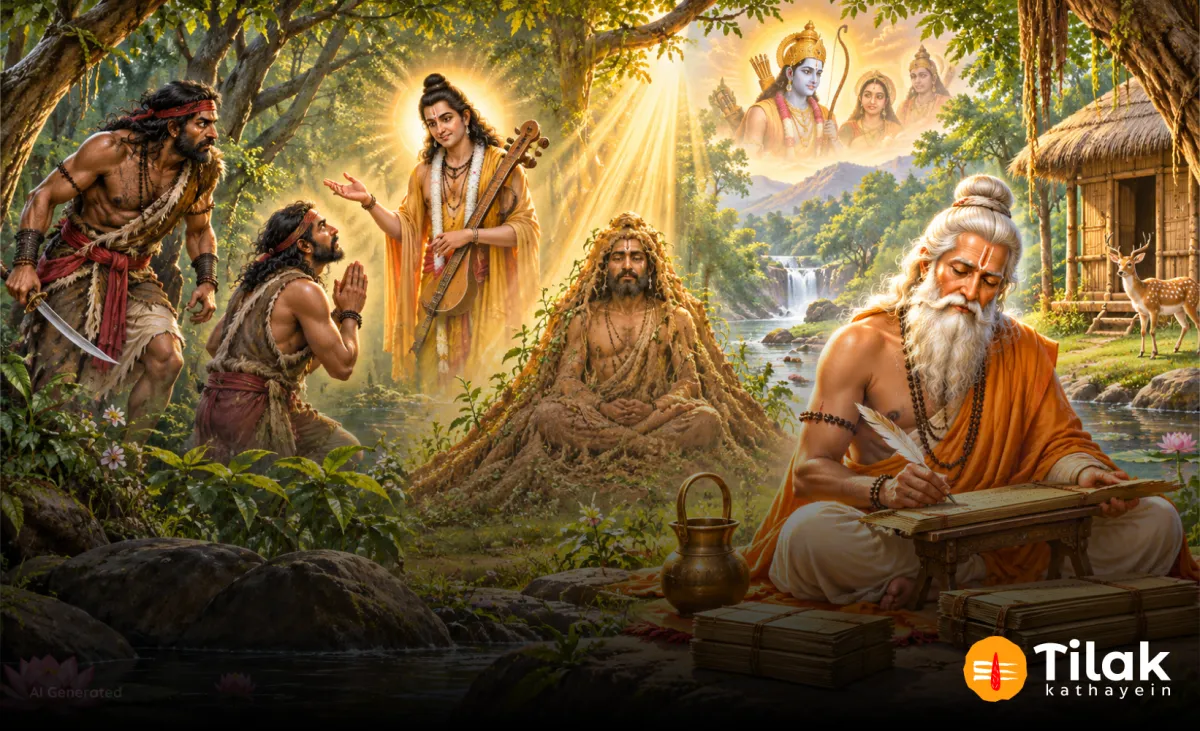
The Story of Maharshi Valmiki: The Journey from Bandit Ratnakar to Adi Kavi
अध्यात्म रामायण और स्कंद पुराण के अनुसार, महर्षि वाल्मीकि पूर्व जीवन में 'रत्नाकर' नाम के एक निर्दयी डाकू थे, जो जंगल में राहगीरों को लूटकर अपने परिवार का पालन-पोषण करते थे। एक दिन उनकी भेंट देवर्षि नारद से हुई। नारद जी के यह पूछने पर कि क्या उनका परिवार उनके इन पापों का भागीदार बनेगा, रत्नाकर के परिवार ने स्पष्ट मना कर दिया। इस सत्य से आहत होकर रत्नाकर ने नारद जी से दीक्षा ली और 'राम' नाम का उल्टा 'मरा-मरा' जप करते हुए हजारों वर्षों तक समाधि में लीन रहे। उनके शरीर पर दीमकों की बांबी (वल्मीक) बन जाने के कारण ही उनका नाम 'वाल्मीकि' पड़ा और उन्होंने विश्व के प्रथम महाकाव्य 'रामायण' की रचना की।
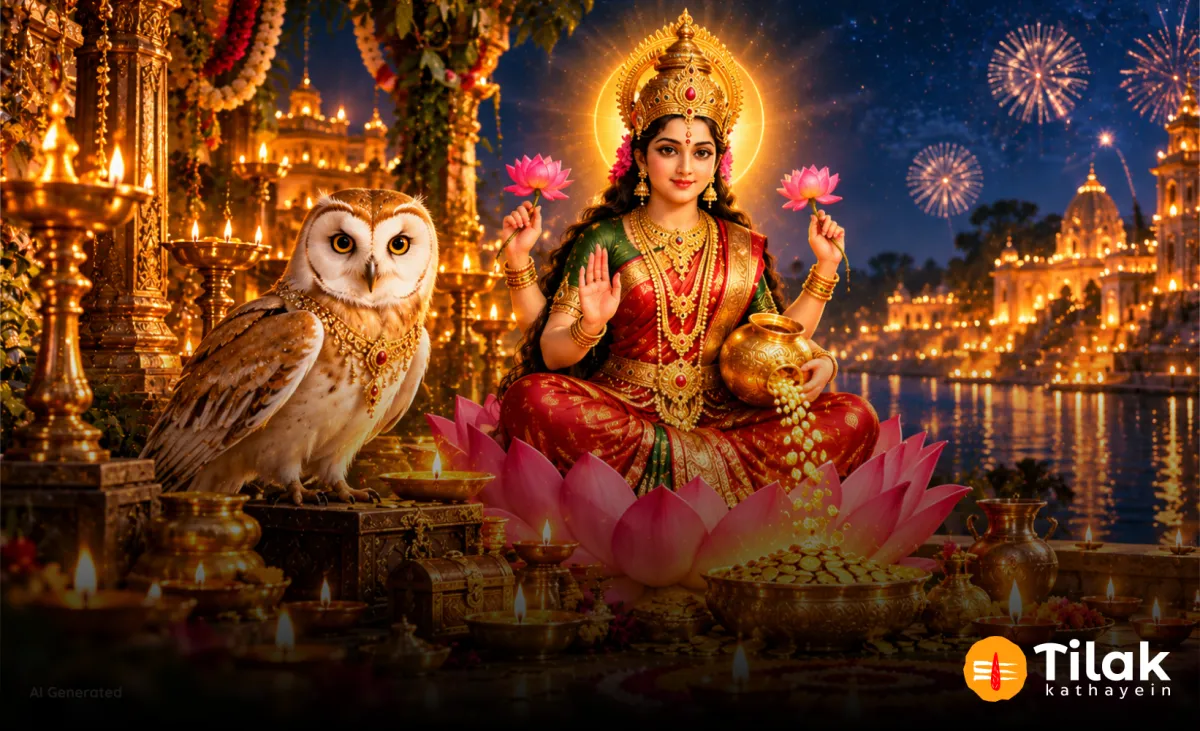
Owl and Mother Lakshmi on Diwali: The Secret of a Restless Mind and Wisdom
सनातन धर्म में धन और ऐश्वर्य की अधिष्ठात्री देवी महालक्ष्मी का वाहन उल्लू (उलूक) विवेक, दृष्टि और आत्म-संयम का गहरा प्रतीक है। सामान्यतः दिन के उजाले में न देख पाने और रात्रि के घोर अंधकार में सूक्ष्म दृष्टि रखने वाला उल्लू यह संदेश देता है कि भौतिक धन मनुष्य को अंधा (अहंकारी) बना सकता है। जब तक धन के साथ विवेक और ज्ञान का संतुलन न हो, तब तक वह विनाशकारी सिद्ध होता है। दीपावली की महानिशा में उल्लू पर सवार माता लक्ष्मी का पूजन यह प्रेरणा देता है कि सांसारिक माया के अंधकार में भी मनुष्य को अपने सद्गुणों और विवेक की आंखें खुली रखनी चाहिए।
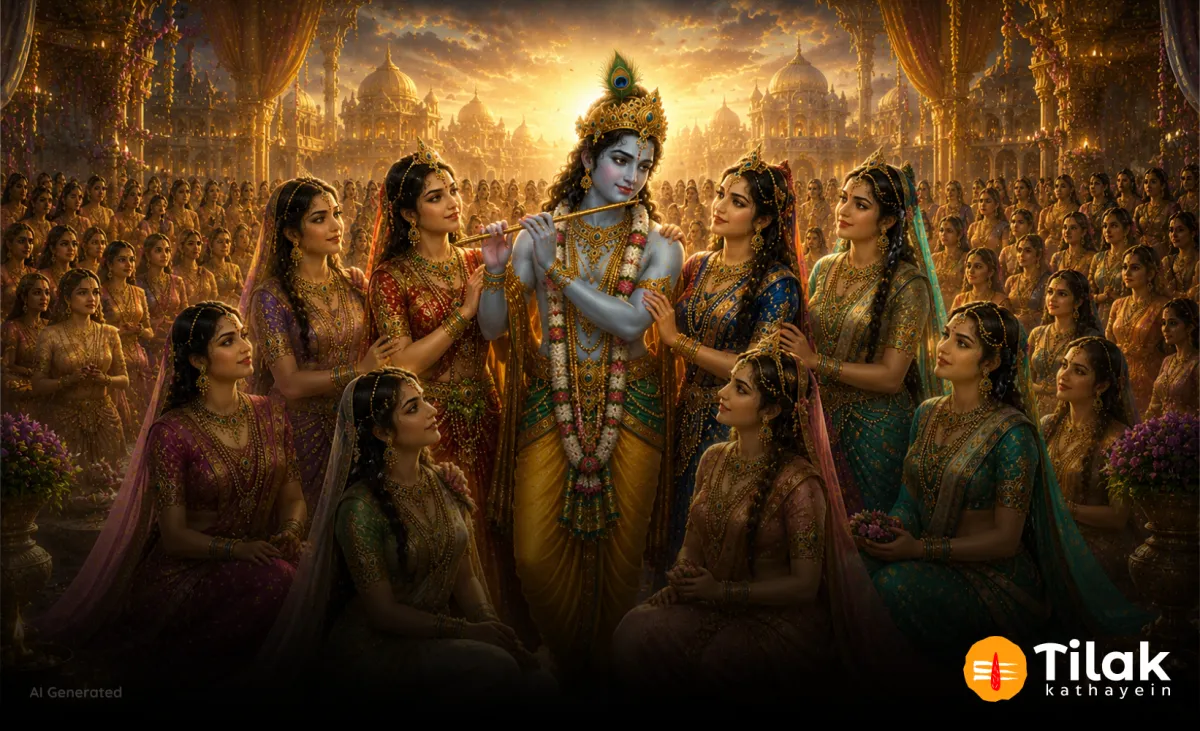
Why Did Krishna Have 16,108 Wives? The True Story and Secrets from Scriptures
**श्रीकृष्ण की 16,108 पत्नियों** की कथा हिंदू धर्म की सबसे चर्चित और अक्सर गलत समझी जाने वाली कथाओं में से एक है। शास्त्रीय परंपरा के अनुसार, नारकासुर के वध के बाद कृष्ण ने उसकी कैद से मुक्त हुई **16,100 महिलाओं** को सामाजिक अपमान से बचाने के लिए स्वीकार किया। इसके अतिरिक्त उनकी **8 प्रमुख रानियाँ** थीं, जिन्हें अष्टभार्या कहा जाता है। इस लेख में जानें 16,108 संख्या का रहस्य, नारकासुर की पूरी कथा और श्रीकृष्ण के इन विवाहों का धार्मिक एवं आध्यात्मिक महत्व।
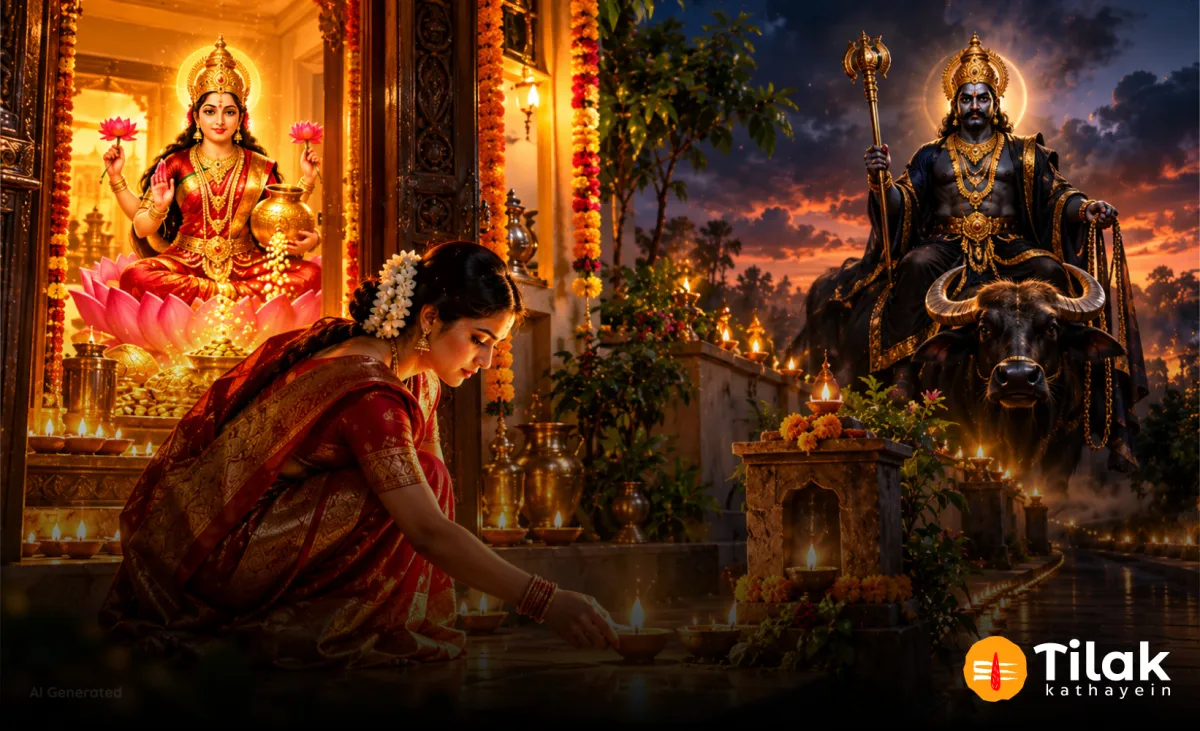
Why is Yama's lamp lit on Dhanteras? Know the correct method and secrets
कार्तिक मास के कृष्ण पक्ष की त्रयोदशी (धनतेरस) की शाम को दक्षिण दिशा में मृत्यु के देवता यमराज के निमित्त जो विशेष दीपक प्रज्वलित किया जाता है, उसे 'यमदीप' (यम का दीया) कहते हैं। स्कंद पुराण और पद्म पुराण के अनुसार, धनतेरस के दिन यमराज के निमित्त चार मुखी दीपदान करने से परिवार के सदस्यों को अकाल मृत्यु, दुर्घटना और यम यातनाओं के भय से मुक्ति मिलती है। यह दीपक घर के मुख्य द्वार के बाहर दक्षिण दिशा की ओर मुख करके अन्न की ढेरी पर रखा जाता है।
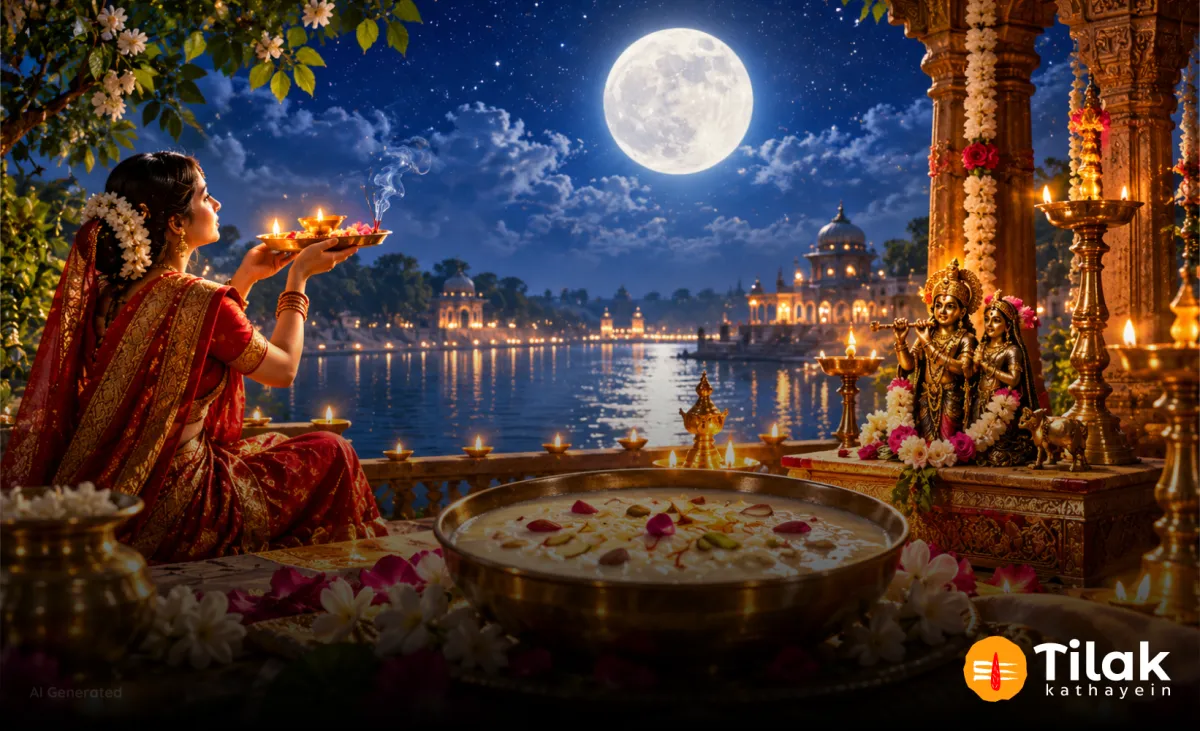
Sharad Purnima: Time for Kheer, Puja Vidhi & Mythological Story
हिन्दू पंचांग के अनुसार आश्विन शुक्ल पूर्णिमा को 'शरद पूर्णिमा' या 'शरद पूनम' (कोजागरी पूर्णिमा) कहा जाता है। मान्यता है कि इस पावन रात्रि को चंद्रमा पृथ्वी के सर्वाधिक निकट होता है और अपनी संपूर्ण 16 कलाओं से अमृत की किरणें बरसाता है। इस रात खुले आकाश के नीचे गाय के दूध और चावल से बनी खीर (गुजरात में दूध-पौंआ) रखने की परंपरा है। मध्यरात्रि में धन की देवी माता लक्ष्मी "को जागर्ति" (कौन जाग रहा है?) पूछते हुए पृथ्वी पर विचरण करती हैं और जागरण करने वाले भक्तों को अखंड ऐश्वर्य का वरदान देती हैं।
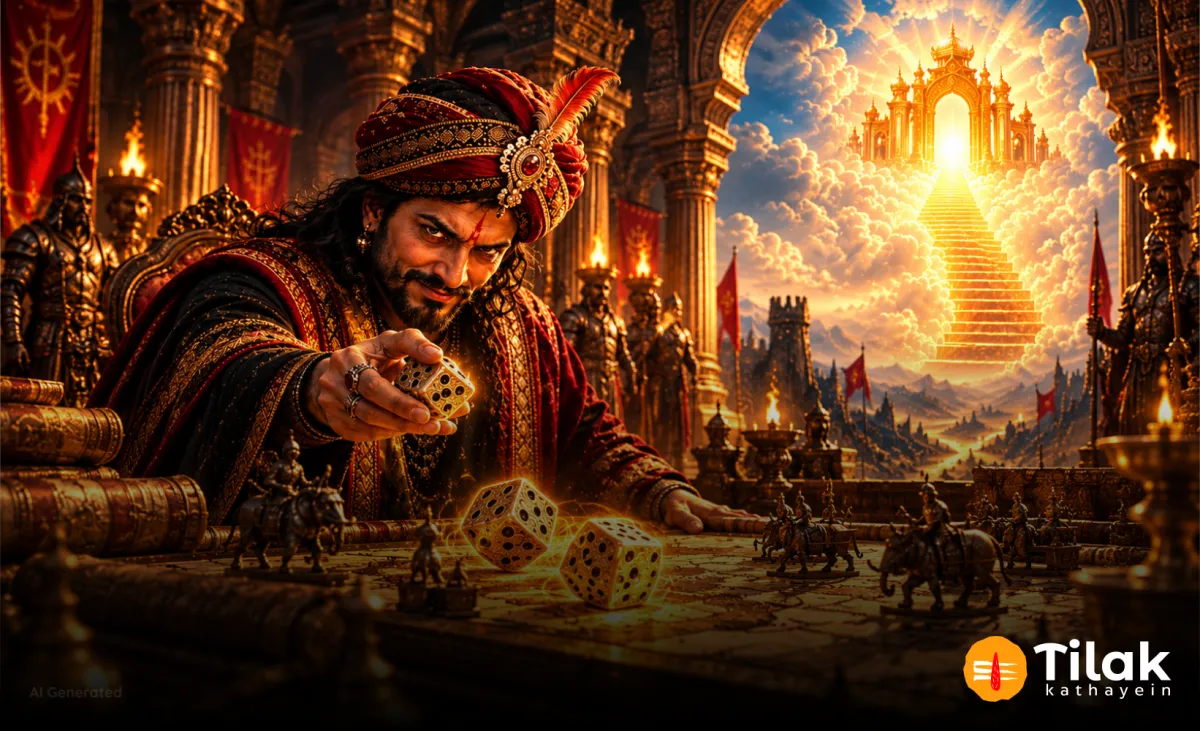
Why did Shakuni attain heaven despite all his sins? Know the secret
महाभारत के 'स्वर्गारोहण पर्व' के अनुसार, शकुनि को स्वर्ग मिलने के तीन प्रमुख कारण हैं। पहला, उसने कुरुक्षेत्र की पावन भूमि पर क्षत्रिय धर्म का पालन करते हुए सहदेव के विरुद्ध सम्मुख लड़कर वीरगति प्राप्त की थी। दूसरा, कर्मफल के शास्त्रीय नियम के अनुसार, जिस जीव के पाप अधिक और पुण्य बहुत कम होते हैं, उसे अपने अल्प पुण्यों का भोग करने के लिए पहले कुछ समय के लिए स्वर्ग प्राप्त होता है, जिसके समाप्त होने पर वह दीर्घकालीन नरक में जाता है। तीसरा, यह युधिष्ठिर के अहंकार और द्वेष की शुद्धि के लिए देवराज इंद्र और धर्मराज द्वारा रची गई एक मायावी परीक्षा थी।