
Pongal Festival | Pongal - Worship Method, Significance, Story 2026
📋 Table of Contents
Pongal – Introduction and Significance
Pongal is generally celebrated in mid-January, around Makar Sankranti. This festival falls on the first day of the 'Thai' month according to the Tamil solar calendar. In the year 2026, Pongal will be celebrated on January 14. Pongal is a thanksgiving, celebrated to express gratitude to nature, the Sun God, and livestock for a good harvest. It is a symbol of prosperity and happiness.
From a religious point of view, Pongal has special significance in Hinduism. This festival is a symbol of worship of the Sun God and dedication to nature. It is believed to bring positivity and prosperity in life. Pongal is a confluence of agriculture and unwavering faith in God.
This festival is special from other festivals in the sense that it is completely dedicated to agriculture and nature. In this, the Sun God is worshiped and the new harvest is celebrated. Traditional games and cultural programs are also organized in Pongal, which make it a unique experience.
Mythology
The mythological origin of Pongal is related to Lord Krishna. It is believed that on this day Lord Krishna broke the ego of Indra Dev. Pongal is celebrated in memory of this event, which gives the message of respect for nature and renunciation of ego.
According to mythology, Indra Dev, intoxicated by his power, caused heavy rain, due to which the people of Braj were in trouble. Then Lord Krishna lifted the Govardhan mountain and protected them and shattered Indra's ego. After this incident, people recognized the power of nature and started worshiping it. In this story, Krishna explained the importance of the unbreakable bond between nature and humans.
The message of this story in present life is that we should respect nature and stay away from ego. It teaches us that we can face even the biggest difficulties with unity and cooperation. Living in harmony with nature is the essence of life.
Puja Ritual 2026
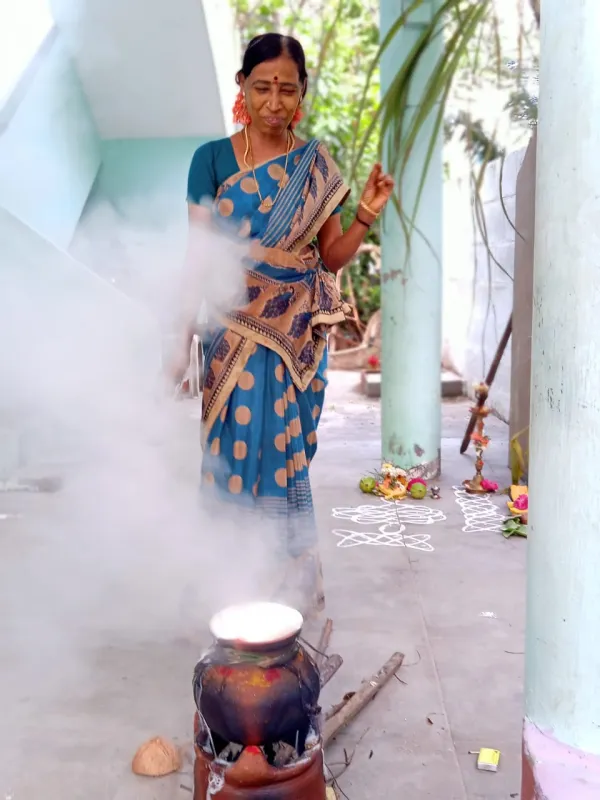
In the Pongal puja, one gets up before sunrise and takes a bath. New clothes are worn and the house is decorated. A new pot filled with rice, lentils, jaggery and other ingredients is placed at the place of worship. The idol of the Sun God is installed and worshiped.
| Time | Puja/Ritual | Specialty |
|---|---|---|
| 4:00 - 6:00 AM | Dawn Bath | Bathing with holy water and wearing new clothes. |
| 7:00 - 8:00 AM | Sun Worship | Offering water to the Sun God and chanting mantras. |
| 8:00 - 9:00 AM | Making Pongal | Making Pongal by adding rice, lentils and jaggery in a new pot. |
| 9:00 - 10:00 AM | Offering to the Deity | Offering Pongal to the Sun God and other deities. |
| All day long | Family Reunion | Celebrating the festival with family and friends. |
During the puja, mantras like 'Om Suryay Namah' are chanted. Aarti of the Sun God is sung and prayers for happiness and prosperity are offered to him. After the aarti, prasad is distributed and everyone eats together.
Prasad and Special Dishes
- Shakkar Pongal – Shakkar Pongal is the most important dish of Pongal. It is made from rice, moong dal, jaggery and ghee. It is a symbol of sweetness and prosperity.
- Vengal Pongal – This is a savory Pongal, made from rice, lentils, black pepper and ghee. It is spicy and delicious.
- Traditional Offering – On the day of Pongal, rice, lentils, jaggery, fruits and vegetables are offered to the Sun God. This is a way of expressing gratitude to nature.
One should eat sattvik food on Pongal. One should avoid non-vegetarian and tamasic food. People who are fasting can only consume fruits and milk.
How it is Celebrated in India
In North India, Pongal is celebrated as Makar Sankranti. On this day people bathe in the Ganges river and do charity. Dishes made of sesame and jaggery are eaten.
In West India, Pongal is celebrated as Uttarayan. People fly kites and perform traditional dances. In South India, this festival lasts for four days and various types of cultural programs are organized in it. In East India, it is known as Bihu and it is a harvest festival.
On Pongal, houses are decorated with Rangoli. People wear new clothes and sing traditional folk songs. An amazing confluence of cultural diversity and unity is seen in this festival.
Preparation and Decoration
Before Pongal, houses are cleaned. Old and useless things are removed. Houses are decorated with colorful colors. This preparation should start at least a week before the festival.
Rangoli, lamps and flowers are used in traditional decoration. Electric lights and other decorative items can be used in modern decoration. Traditional patterns are made in Rangoli, which are symbols of prosperity and happiness.
Frequently Asked Questions
When is Pongal in 2026?
In the year 2026, Pongal will be celebrated on Wednesday, January 14. On this day the Sun will enter Capricorn, the auspicious time of which will start from 08:30 am.
What should be donated on Pongal?
It is considered auspicious to donate grains, clothes, and sesame-made items on Pongal. One gets virtue by donating food and clothes to the poor and needy.
Who can observe the Pongal fast?
Anyone can observe the Pongal fast, who wants to worship the Sun God with faith and devotion. The person observing the fast should eat sattvik food and remember God throughout the day.
Conclusion
Pongal has deep spiritual significance in modern Hindu life. It strengthens family bonds, preserves cultural heritage, and deepens devotion. This festival inspires us to be grateful to nature and to have a positive outlook in life. It teaches us that prosperity and happiness are not only obtained from material things, but also from mutual love and cooperation.
Heartfelt wishes to all the devotees celebrating Pongal. Happy Pongal!
Today's Panchang 13 September 2026
For auspicious times, choghadiya, horoscope and planetary positions
Related Articles
Introduction to Lord Jagannath | History, Mythology, Form, and Significance
भगवान जगन्नाथ भगवान श्रीकृष्ण के दिव्य स्वरूप माने जाते हैं और ओडिशा के पुरी में स्थित श्री जगन्नाथ मंदिर विश्वभर के करोड़ों श्रद्धालुओं की आस्था का केंद्र है।
Why Do We Say "Swaha" During Havan?
स्वाहा हिंदू धर्म में एक महत्वपूर्ण मंत्र है, जो यज्ञ में आहुति की पूर्णता का प्रतीक है। यह देवी स्वधा का एक रूप है और पितरों को तृप्त करने व देवताओं को प्रसन्न करने के लिए प्रयोग किया जाता है।
Kaal Bhairav and the Dog: Mythological Significance
कालभैरव का वाहन कुत्ता है, जो रक्षा और वफादारी का प्रतीक माना जाता है। हिंदू धर्म में, भैरव को शिव का रौद्र रूप और काशी का कोतवाल कहा जाता है, जिनकी पूजा अनिष्ट निवारण और सुरक्षा के लिए की जाती है।
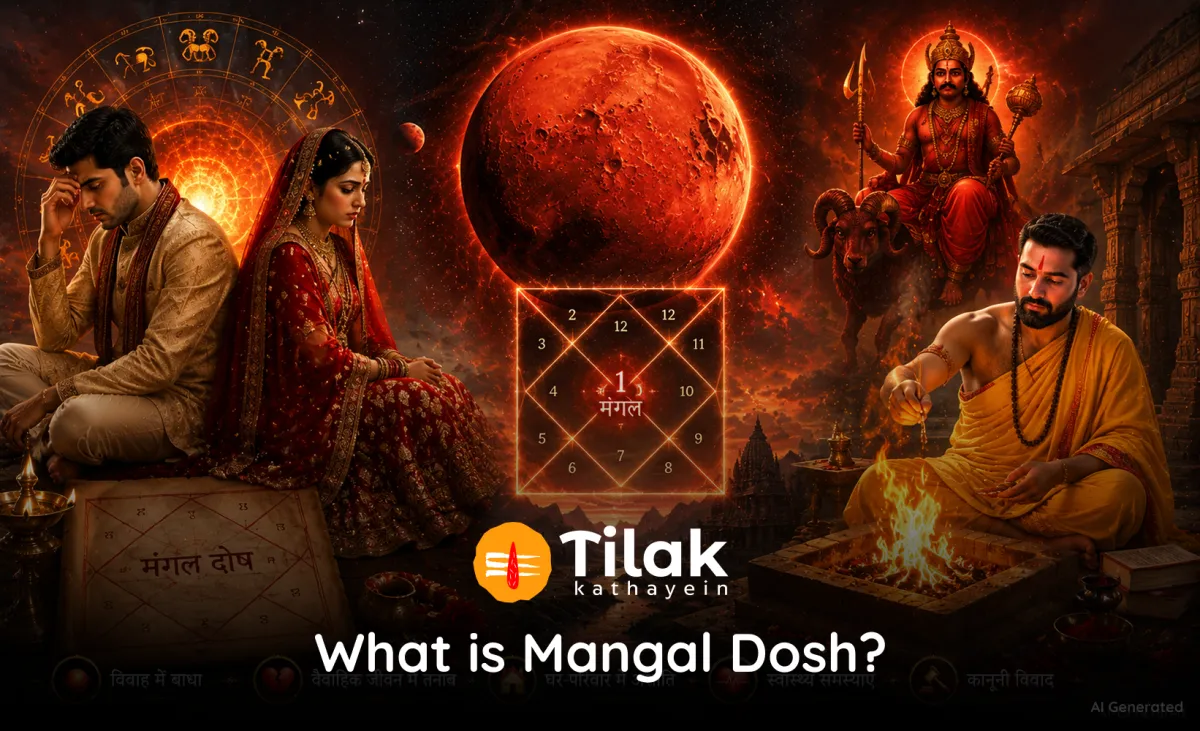
What is Mangal Dosha?
हिंदू धर्म में मंगल दोष का गहन महत्व है, जो विवाह और व्यक्तिगत जीवन को प्रभावित करता है। यह दोष ज्योतिषीय गणना पर आधारित है और इसके निवारण के उपाय भी बताए गए हैं।
Shri Kartikeya Chalisa | Shri Kartikeya Chalisa
श्री कार्तिकेय चालीसा का सम्पूर्ण पाठ, अर्थ सहित, पढ़ने के लाभ और महत्व को विस्तार से जानें। यह चालीसा भगवान कार्तिकेय की शक्ति, बुद्धि और विजय की प्राप्ति का मार्ग प्रशस्त करती है।
Radha Chalisa | राधा चालीसा – संपूर्ण पाठ, अर्थ और लाभ 2026
राधा चालीसा – सम्पूर्ण पाठ, शब्दार्थ, विधि और लाभ। 2026 में राधा चालीसा हिंदी में पढ़ें।