
Pitru Paksha 2026: Shraddha Dates, Tarpan Vidhi, and Infallible Remedies for Pitru Dosha

📋 Table of Contents
- What is Pitru Paksha? Its Spiritual Significance in Sanatan Dharma
- When is Pitru Paksha 2026? (Key Dates & Times)
- What is Pitru Dosh? Identify its 6 Major Symptoms
- Simple Method for Shraddha and Tarpan at Home (Rule of Kutup Muhurta)
- What is Panchabali Karma? (For Cow, Dog, Crow, Gods, and Ants)
- 7 Simple and Effective Remedies to Get Rid of Pitru Dosh
- What to Do and What Not to Do During Pitru Paksha (Rules)
- Frequently Asked Questions (FAQs)
- Conclusion: Blessings of Ancestors and the Upcoming Shardiya Navratri
What is Pitru Paksha? Its Spiritual Significance in Sanatan Dharma
In Sanatan Dharma, parents and ancestors are considered equivalent to God. The sacred period of 16 days from Bhadrapada Purnima to Ashwin Amavasya (Sarvapitri Amavasya) is known as Pitru Paksha (Mahalaya or Shraddha Paksha).
According to the Garuda Purana and Markandeya Purana, after death, when the soul resides in Pitru Loka, Lord Yama permits all ancestors to visit their descendants' homes once a year during Pitru Paksha. During this time, our ancestors, in subtle form, come to the doors of their relatives seeking water and food. Those who offer water (Tarpan) and food (Pindadan/Shraddha) to them with devotion, their ancestors are appeased and bless them with long life, health, wealth, prosperity, and worthy offspring.
The word 'Shraddha' originates from 'Shraddha'—meaning "Shraddhaya deeyate yat tat Shraddham" (That which is done with true faith and respect towards ancestors is Shraddha).
When is Pitru Paksha 2026? (Shraddha Calendar)
In the year 2026, Pitru Paksha will begin on September 26, 2026 (Saturday) with Purnima Shraddha and conclude on October 10, 2026 (Saturday) with Sarvapitri Moksha Amavasya. The very next day, October 11, the sacred Shardiya Navratri of Maa Durga will commence.
| Shraddha Tithi | Date (Year 2026) | Religious Significance |
|---|---|---|
| Purnima Shraddha | September 26, 2026 (Saturday) | Shraddha for ancestors who passed away on Bhadrapada Purnima |
| Pratipada Shraddha | September 27, 2026 (Sunday) | Best day for Shraddha of maternal grandparents |
| Panchami / Shashti Shraddha | October 01 – 02, 2026 | Shraddha for unmarried deceased family members (on Panchami) |
| Matri Navami (Navami Shradh) | October 05, 2026 (Monday) | Shraddha for mother, grandmother, and married women of the lineage |
| Ekadashi / Dwadashi Shraddha | October 07 – 08, 2026 | Shraddha for ascetics and sanyasis |
| Trayodashi / Chaturdashi Shraddha | October 09, 2026 (Friday) | Shraddha for those who died unnaturally (accident, weapon, etc.) |
| Sarvapitri Moksha Amavasya | October 10, 2026 (Saturday) | Great Shraddha for all ancestors whose death dates are unknown |
What is Pitru Dosh? Identify its 6 Major Symptoms
According to astrology and scriptures, when the souls of our ancestors do not find peace, or if they were not served properly during their lifetime, or if Shraddha-Tarpan is not performed for them, then 'Pitru Dosh' arises in the horoscope. This causes unexplained obstacles in life:
- Obstacles in Procreation: Not having children even after many years of marriage, or experiencing miscarriages, is considered a primary sign of Pitru Dosh.
- Excessive Delay in Marriage: Even with eligible suitors, alliances not being finalized or breaking at the last moment.
- Constant Strife and Unrest at Home: An atmosphere of tension, conflict, and unrest among family members without any concrete reason.
- Poverty Despite Earning (Lack of Prosperity): Money not being retained despite hard work, and the family being constantly in debt.
- Excessive Spending on Hospitals and Medicines: One or another family member being perpetually ill, with no clear cause for the ailment.
- Frequent Dreams of Ancestors: Ancestors appearing sad, hungry, thirsty, or silently in dreams.
Simple Method for Shraddha and Tarpan at Home
If you cannot travel to Gaya Ji (Bihar) or any pilgrimage site, you can perform Tarpan at your home with complete devotion:
Correct Time for Tarpan: Kutup and Rohini Muhurta
According to scriptures, Shraddha rituals should never be performed in the morning or evening. The time between 11:30 AM and 12:30 PM (Kutup Muhurta) is considered best, as the sun's rays at this time carry our intentions to Pitru Loka.
Simple Method for Performing Tarpan at Home:
- Direction: Always face the South direction while performing Tarpan (South is considered the direction of ancestors).
- Materials: A brass or copper vessel, pure water, Ganga water, raw cow's milk, Kusha grass, Akshat (rice), and black sesame seeds.
- Method: Wear a Kusha pavitri (ring) on the ring finger of your right hand. Take water, a little raw milk, and black sesame seeds in the palm of your hand and pour the water from the thumb side (Pitrutirtha) into the vessel.
- Mantra: While offering water, chant three times—"Tasmai Swadha Namah, Om Pitrubhyo Namah" or remember your known and unknown ancestors by name.
What is Panchabali Karma? (The Most Essential Part of Shraddha)
On the day of Shraddha, before offering food to the Brahmin, it is mandatory to perform Panchabali (offering food to five beings). It is believed that our ancestors partake of food through these five:
- 1. Gobali (Offering to the Cow): 33 crore deities reside in a cow. Offer the first portion of food to Mother Cow.
- 2. Shwanbali (Offering to the Dog): The dog is considered the messenger of Lord Yama. Feed a piece of roti with a little ghee to the dog.
- 3. Kakbali (Offering to the Crow): The crow is considered a direct messenger of the ancestors. Place Kheer and Poori for crows on the roof.
- 4. Devadibali (Offering to the Fire): Offer a small portion of the food to the fire of a cow dung cake (upala) along with jaggery and ghee.
- 5. Pipilikaadibali (Offering to the Ants): Place flour and sugar near the root of a tree for the ants.
7 Simple and Effective Remedies to Get Rid of Pitru Dosh
- Service to the Peepal Tree: During Pitru Paksha, offer water, raw milk, and black sesame seeds to the Peepal tree daily before noon. In the evening, light a lamp of mustard oil under the Peepal tree.
- Lamp in the South Direction: For all 16 days of Pitru Paksha, light a lamp in the south corner of your house after sunset in the name of ancestors.
- Chanting Gayatri Mantra and Reading Bhagavad Gita: For the peace of your ancestors' souls, recite the 7th chapter of the Gita and chant the Gayatri Mantra.
- Donation on Amavasya: On Sarvapitri Amavasya, donate sattvic food, an umbrella, clothes, or shoes/slippers to a needy person, an orphanage, or lepers.
- Water Vessel (Parinda): Place fresh water and grains in an earthen pot on your roof or balcony for the birds.
- Respecting Parents While They Are Alive: Scriptures state that serving living parents is the greatest Shraddha. Every morning, touch the feet of your parents and seek their blessings.
- Tripindi Shraddha: If there is severe Pitru Dosh in the horoscope, go to a pilgrimage site (like Nashik Trimbakeshwar, Gaya Ji, or Haridwar) and get 'Tripindi Shraddha' performed by a qualified priest.
What to Do and What Not to Do During Pitru Paksha (Rules)
What to Do (Do's):
- Maintain a completely sattvic atmosphere at home and offer silent prayers for ancestors daily.
- Definitely prepare Kheer, Poori, and Kaddu (Ash Gourd) in the Shraddha meal.
- Offer food with respect to a Brahmin or a needy person and give them Dakshina.
What Not to Do (Don'ts):
- No Restriction on Buying New Items: People often think buying anything during Shraddha is inauspicious. This is not true; Pitru Paksha is a time of restraint, not inauspiciousness. However, major auspicious events like weddings or housewarmings are postponed until Navratri.
- Abstain from Tamasic Food: During these 16 days, strictly avoid consuming meat, alcohol, garlic, onions, lentils, and stale food.
- Avoid Iron Utensils: Never use iron utensils for Shraddha rituals and Tarpan; brass, copper, or silver vessels are auspicious.
- Do Not Insult Any Beggar: Do not turn away any beggar or animal that comes to your door during this period without offering them food.
Frequently Asked Questions (FAQs)
1. When does Pitru Paksha start in 2026?
In 2026, Pitru Paksha starts on September 26, 2026 (Saturday) with Purnima Shraddha and ends on October 10, 2026 (Saturday) with Sarvapitri Amavasya.
2. If the death date of an ancestor is unknown, on which day should Shraddha be performed?
If the death date of a family member is unknown, their Shraddha is performed on Sarvapitri Amavasya (October 10, 2026). Shraddha performed on this day reaches all known and unknown ancestors.
3. Can women also perform Tarpan or Shraddha for their ancestors?
Yes, according to the Garuda Purana, if there is no son or male member in the family, daughters or wives can also perform Tarpan and Pindadan for their parents and husband with full devotion.
4. Why are black sesame seeds used in Shraddha?
Black sesame seeds are believed to have originated from the sweat of Lord Vishnu. According to scriptures, sesame seeds destroy negative energy, and using black sesame seeds in Tarpan keeps ancestors satisfied for thousands of years.
5. Which major festival follows Pitru Paksha immediately?
As soon as Sarvapitri Amavasya ends, the grand festival of Shardiya Navratri (October 11, 2026) begins from the next day, Ashwin Shukla Pratipada, during which the nine forms of Maa Durga are worshipped.
Conclusion: Blessings of Ancestors and the Upcoming Shardiya Navratri
Pitru Paksha is not a time for mourning, but a sacred occasion to express gratitude towards our ancestors. When we remember our ancestors with love and respect, an invisible protective shield is formed over our home and family.
Perform Tarpan for your ancestors with complete devotion during these 16 days. As soon as the ancestors are appeased and return to their realm on Sarvapitri Amavasya on October 10, our doors will open to welcome Maa Jagadamba from October 11. When we worship the Divine Mother after receiving the blessings of our ancestors, the worship becomes hundred percent fruitful.
"Ayuh Prajam Dhanaṁ Vidyāṁ Svargaṁ Mokṣaṁ Sukhāni Ca |
Prayacchanti Tathā Rājyaṁ Prītā Nṛṇāṁ Pitāmahāḥ ||"
(Appeased ancestors bestow upon their descendants long life, worthy offspring, wealth, knowledge, heaven, liberation, and all happiness, as well as kingdom.)🚩 Om Pitrubhyo Namah. Sarva Pitru Devaya Namah! 🙏🪔
Today's Panchang 28 October 2026
For auspicious times, choghadiya, horoscope and planetary positions
Related Articles
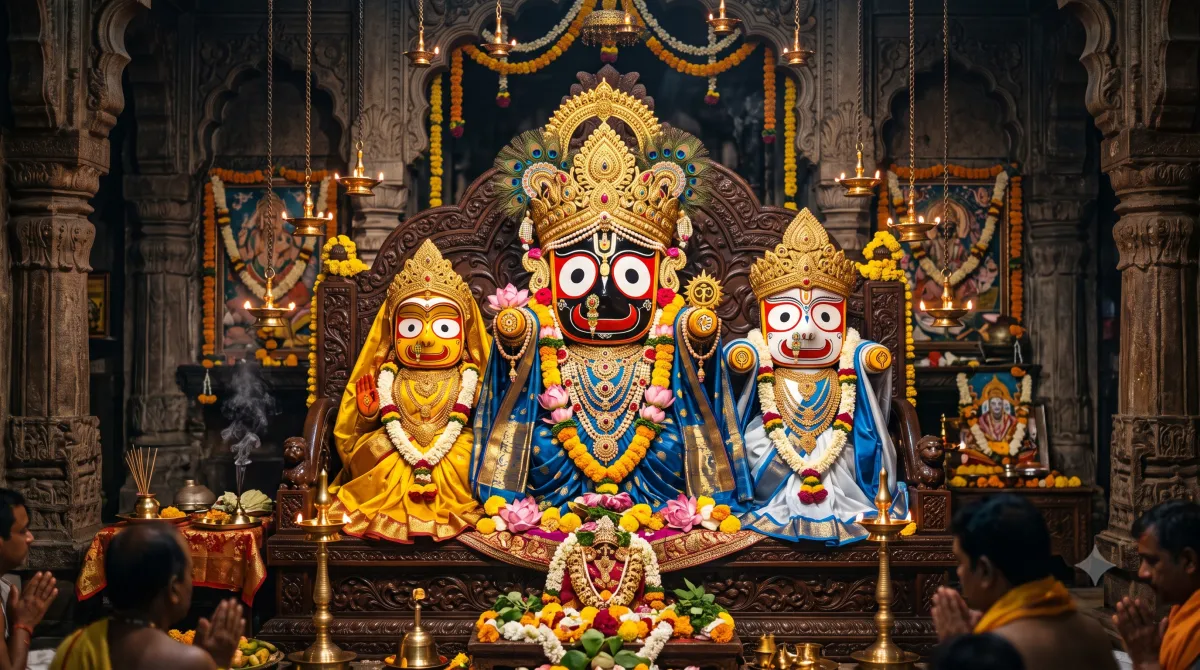
Introduction to Lord Jagannath | History, Mythology, Form, and Significance
भगवान जगन्नाथ भगवान श्रीकृष्ण के दिव्य स्वरूप माने जाते हैं और ओडिशा के पुरी में स्थित श्री जगन्नाथ मंदिर विश्वभर के करोड़ों श्रद्धालुओं की आस्था का केंद्र है।
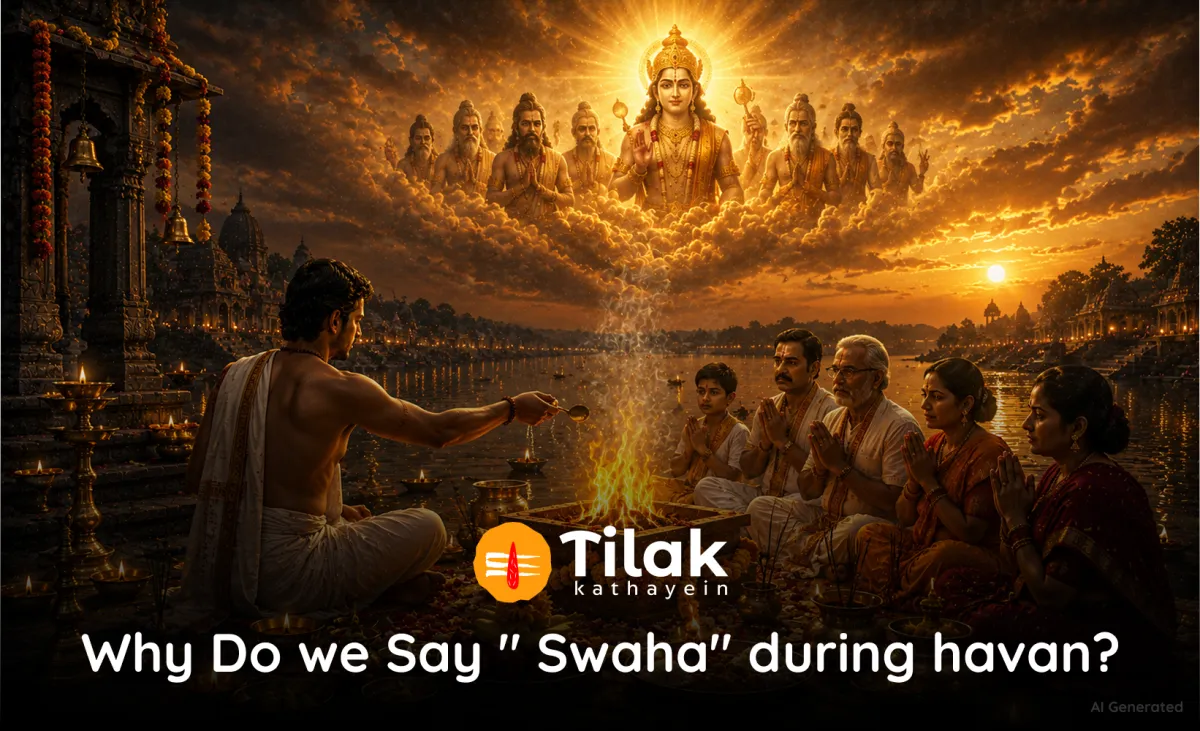
Why Do We Say "Swaha" During Havan?
स्वाहा हिंदू धर्म में एक महत्वपूर्ण मंत्र है, जो यज्ञ में आहुति की पूर्णता का प्रतीक है। यह देवी स्वधा का एक रूप है और पितरों को तृप्त करने व देवताओं को प्रसन्न करने के लिए प्रयोग किया जाता है।
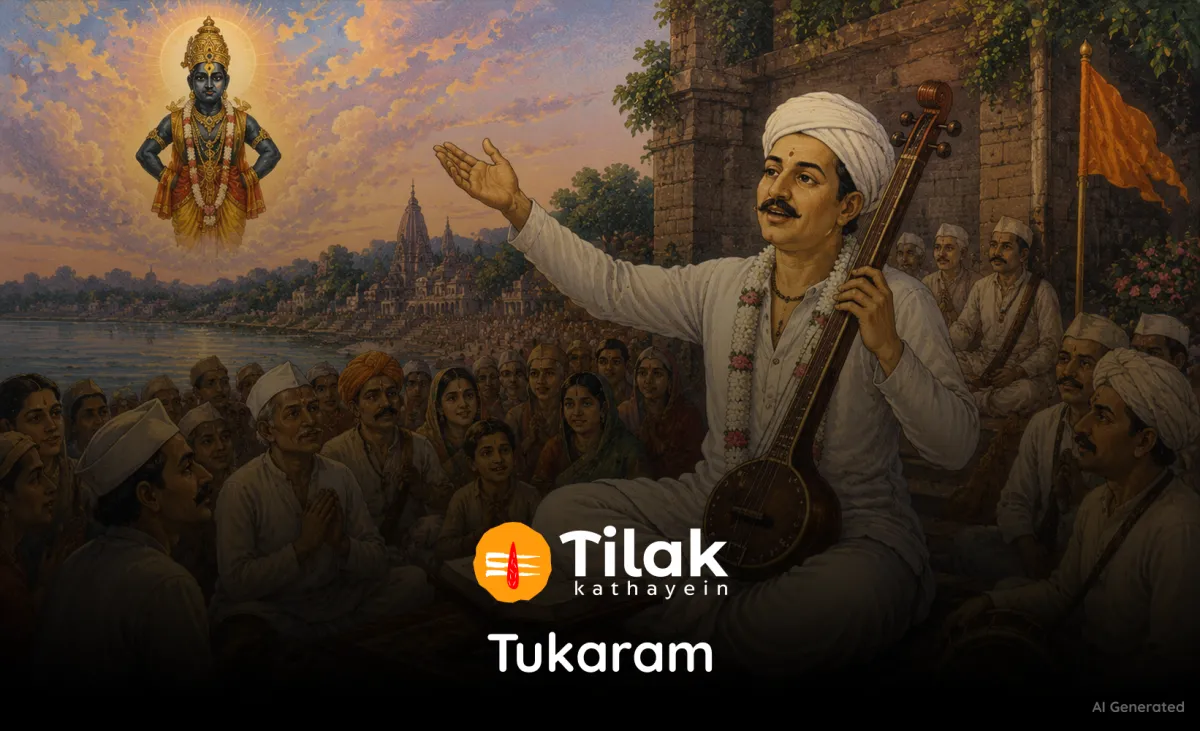
Biography of Sant Tukaram | Sant Tukaram Biography in Hindi
संत तुकाराम महाराष्ट्र के महान संत, कवि और भगवान विट्ठल के परम भक्त थे। उन्होंने अपने अभंगों के माध्यम से भक्ति, समानता और मानवता का संदेश दिया। उनका नाम भारत के महान संतों और भक्ति आंदोलन के प्रमुख संतों में लिया जाता है।

Kaal Bhairav and the Dog: Mythological Significance
कालभैरव का वाहन कुत्ता है, जो रक्षा और वफादारी का प्रतीक माना जाता है। हिंदू धर्म में, भैरव को शिव का रौद्र रूप और काशी का कोतवाल कहा जाता है, जिनकी पूजा अनिष्ट निवारण और सुरक्षा के लिए की जाती है।

What is Mangal Dosha?
हिंदू धर्म में मंगल दोष का गहन महत्व है, जो विवाह और व्यक्तिगत जीवन को प्रभावित करता है। यह दोष ज्योतिषीय गणना पर आधारित है और इसके निवारण के उपाय भी बताए गए हैं।
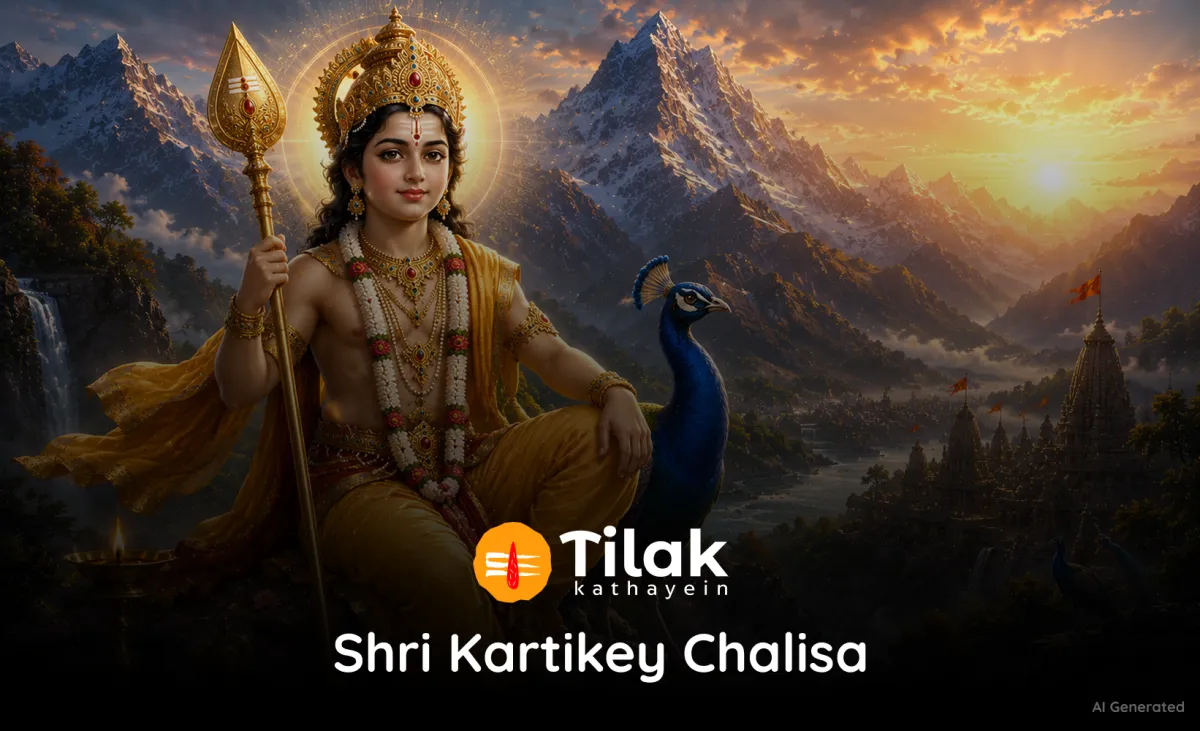
Shri Kartikeya Chalisa | Shri Kartikeya Chalisa
श्री कार्तिकेय चालीसा का सम्पूर्ण पाठ, अर्थ सहित, पढ़ने के लाभ और महत्व को विस्तार से जानें। यह चालीसा भगवान कार्तिकेय की शक्ति, बुद्धि और विजय की प्राप्ति का मार्ग प्रशस्त करती है।