
Vegetarianism in Hinduism: Complete Information 2026
📋 Table of Contents
Vegetarianism in Hinduism – Introduction
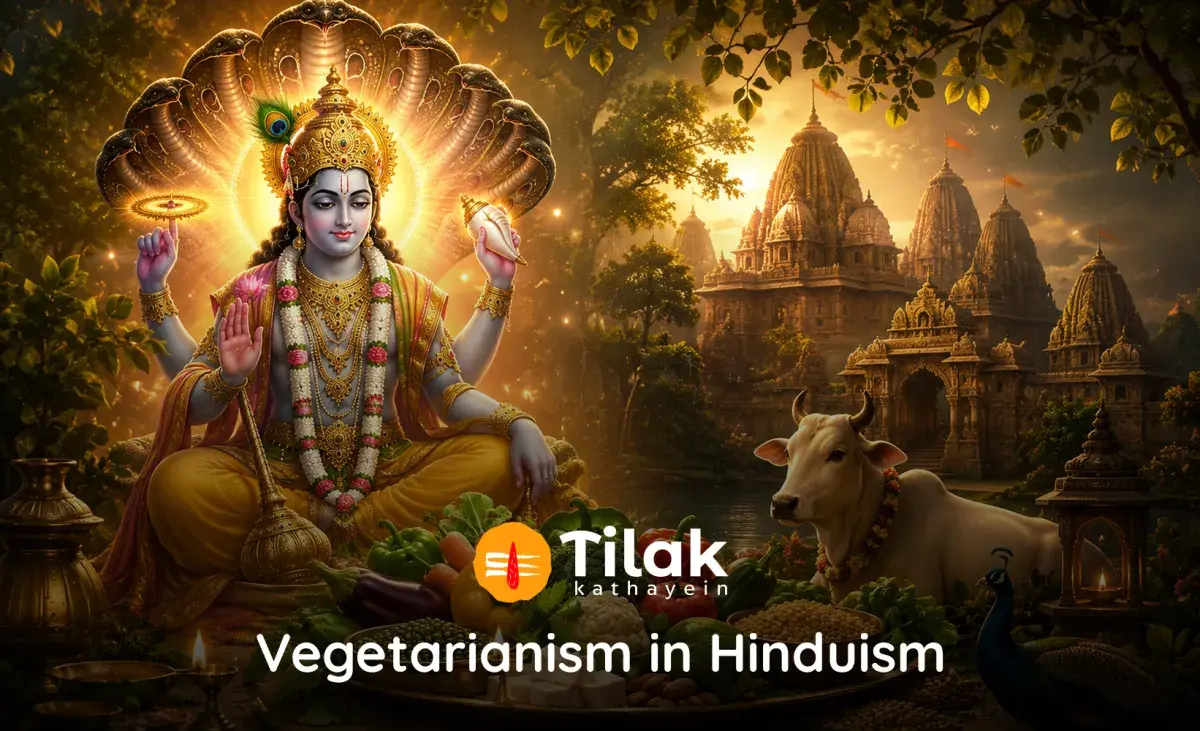
Vegetarianism in Hinduism is a lifestyle based on the principle of non-violence. It is not only a food choice, but also a spiritual practice that promotes compassion and respect for all living beings. In Hinduism, vegetarianism is an integral part of religion, connecting man with nature and the divine.
In 2024, the topic of vegetarianism has become even more important as people are becoming more aware of the environment, health and ethical values. In the modern context, vegetarianism is a way of living a sustainable and compassionate life.
Detailed Information
The basis of vegetarianism in Hinduism is found in ancient texts such as the Vedas, Upanishads and Bhagavad Gita. These texts emphasize non-violence, compassion and respect for all living beings. It is believed that food affects our mind and soul, and vegetarian food enhances sattvic qualities.
There are various aspects of vegetarianism in Hinduism, including the consumption of dairy products (lacto-vegetarian) and abstaining from dairy products (vegan). Some Hindus consume eggs, while others follow a completely plant-based diet. The choice of vegetarianism depends on individual devotion and family traditions.
An interesting fact is that on many Hindu festivals and religious occasions, even some vegetarian foods like onions and garlic are avoided because they are considered tamasic, which stimulate the mind.
Importance and Benefits
- Spiritual Development – Vegetarianism purifies the mind and helps in meditation and prayer, leading to spiritual development.
- Physical Health – Vegetarian food reduces the risk of cholesterol and heart diseases, and it is also better for the digestive system.
- Environmental Protection – Vegetarianism reduces the environmental impact associated with meat production, which helps save the planet.
- Following Non-Violence – Vegetarianism is a way to follow the principle of compassion and non-violence towards living beings, which creates positive karma.
Practical Tips
To adopt vegetarianism in Hinduism, start slowly. Include more fruits, vegetables, grains and pulses in your diet. Gradually reduce the consumption of meat and eggs. Explore new vegetarian recipes and use spices to make your food delicious.
A common mistake is that people do not consume enough protein and nutrients in a vegetarian diet. Make sure you consume protein-rich foods like pulses, tofu, nuts and seeds. Eat a balanced diet and meet your body's needs.
Frequently Asked Questions
What is vegetarianism in Hinduism?
Vegetarianism in Hinduism is a diet and lifestyle in which meat, fish and eggs are not consumed. It is based on non-violence and respect for all living beings.
What is the importance of vegetarianism in Hinduism?
Vegetarianism is important in Hinduism for spiritual development, physical health and environmental protection. It is a way to follow the principle of non-violence and create positive karma.
Conclusion
The importance of vegetarianism in the spiritual journey of the modern Hindu is incomparable. A deeper understanding of this subject deepens the connection with religion, allowing the individual to adopt the values of compassion, non-violence and respect for nature. It is not just a diet, but a conscious lifestyle that connects the soul to the divine.
I encourage all of you to explore this topic and share it with your family. This can be a transformative journey that will positively impact your life. Jai Shri Krishna! Namaste!
Today's Panchang 8 September 2026
For auspicious times, choghadiya, horoscope and planetary positions
Related Articles
Introduction to Lord Jagannath | History, Mythology, Form, and Significance
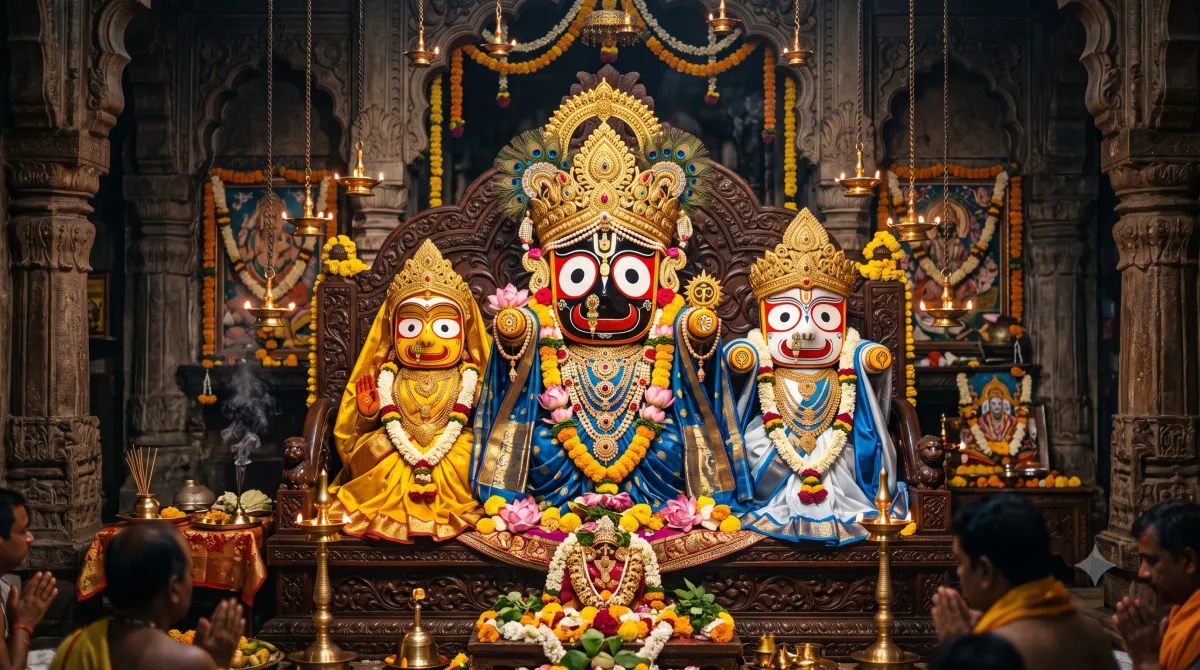
भगवान जगन्नाथ भगवान श्रीकृष्ण के दिव्य स्वरूप माने जाते हैं और ओडिशा के पुरी में स्थित श्री जगन्नाथ मंदिर विश्वभर के करोड़ों श्रद्धालुओं की आस्था का केंद्र है।

Why Do We Say "Swaha" During Havan?
स्वाहा हिंदू धर्म में एक महत्वपूर्ण मंत्र है, जो यज्ञ में आहुति की पूर्णता का प्रतीक है। यह देवी स्वधा का एक रूप है और पितरों को तृप्त करने व देवताओं को प्रसन्न करने के लिए प्रयोग किया जाता है।
Biography of Sant Tukaram | Sant Tukaram Biography in Hindi
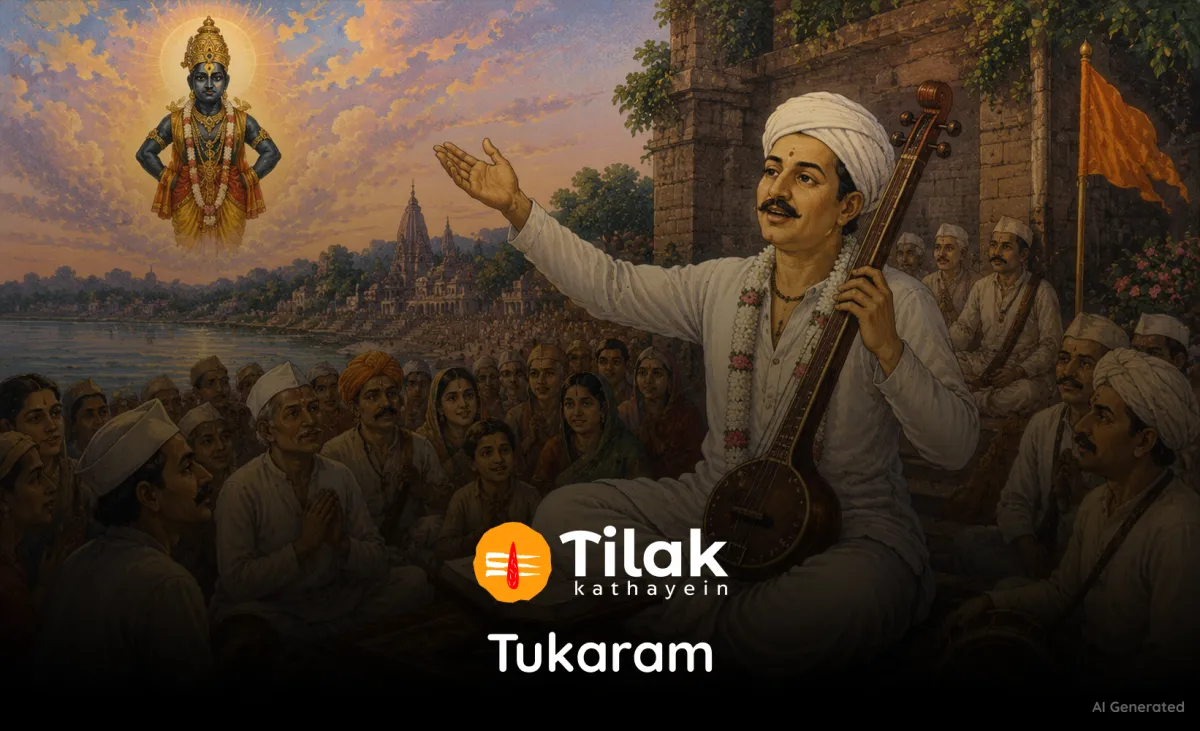
संत तुकाराम महाराष्ट्र के महान संत, कवि और भगवान विट्ठल के परम भक्त थे। उन्होंने अपने अभंगों के माध्यम से भक्ति, समानता और मानवता का संदेश दिया। उनका नाम भारत के महान संतों और भक्ति आंदोलन के प्रमुख संतों में लिया जाता है।

Kaal Bhairav and the Dog: Mythological Significance
कालभैरव का वाहन कुत्ता है, जो रक्षा और वफादारी का प्रतीक माना जाता है। हिंदू धर्म में, भैरव को शिव का रौद्र रूप और काशी का कोतवाल कहा जाता है, जिनकी पूजा अनिष्ट निवारण और सुरक्षा के लिए की जाती है।

What is Mangal Dosha?
हिंदू धर्म में मंगल दोष का गहन महत्व है, जो विवाह और व्यक्तिगत जीवन को प्रभावित करता है। यह दोष ज्योतिषीय गणना पर आधारित है और इसके निवारण के उपाय भी बताए गए हैं।

Shri Kartikeya Chalisa | Shri Kartikeya Chalisa
श्री कार्तिकेय चालीसा का सम्पूर्ण पाठ, अर्थ सहित, पढ़ने के लाभ और महत्व को विस्तार से जानें। यह चालीसा भगवान कार्तिकेय की शक्ति, बुद्धि और विजय की प्राप्ति का मार्ग प्रशस्त करती है।