
Why Did Bhishma Pitamah Receive the Bed of Arrows? Know the Mahabharata Story
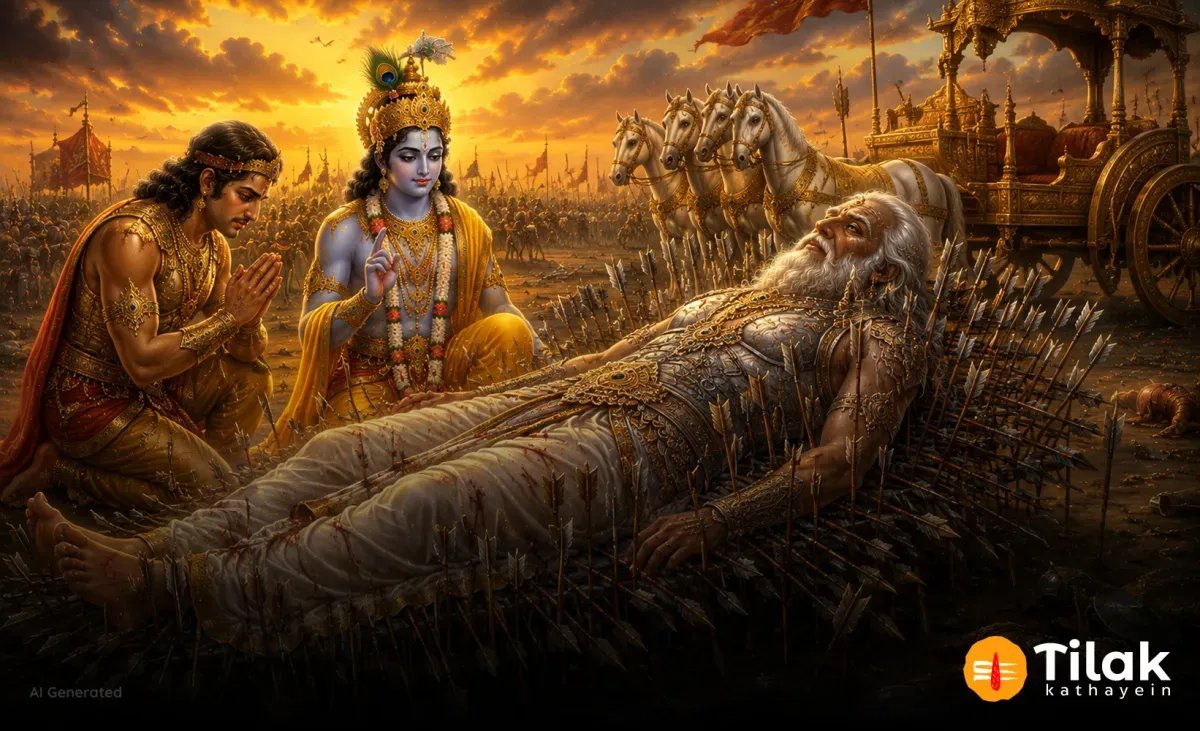
Why Did Bhishma Pitamah Lie on a Bed of Arrows? Know the Complete Story, Reasons, and Spiritual Secrets
Among the greatest warriors of the Mahabharata, the name of Bhishma Pitamah is taken with the highest respect. He was not only famous for his immense valor and amazing archery skills but also immortal in history for his vows, sacrifices, and devotion to Dharma. During the Mahabharata war, a scene was witnessed that has moved and astonished people for centuries—Bhishma Pitamah lying on a bed of arrows (Sharashayya).
But the question is, why did Bhishma Pitamah lie on a bed of arrows? Was it merely a defeat in war, or was there a deeper reason and divine secret behind it? Let us understand this episode described in the Mahabharata and Puranas in detail.
Who Was Bhishma Pitamah?
Bhishma Pitamah's original name was Devavrata. He was the son of King Shantanu and Mother Ganga. He was extremely radiant, learned, knowledgeable in Dharma, and an invincible warrior.
When King Shantanu expressed his desire to marry Satyavati, Devavrata took a vow of lifelong celibacy for his father's happiness and pledged never to claim the throne of Hastinapur. Pleased by his formidable vow, the gods gave him the name "Bhishma".
How Did Bhishma Pitamah Receive the Boon of Ichha Mrityu (Death by Will)?
Pleased by Devavrata's great sacrifice, King Shantanu granted him the boon of Ichha Mrityu (death by will). According to this boon, he could not die without his own will. He could decide for himself when to give up his life.
This very boon later became the most important reason for the episode of the bed of arrows.
Why Did Bhishma Pitamah Fight on the Side of the Kauravas in the Mahabharata War?
Although Bhishma Pitamah knew that Dharma was on the side of the Pandavas, he upheld his vow to protect the throne and kingdom of Hastinapur. He was not loyal to individuals but to his duty and the kingdom. Therefore, he led the war as the first commander of the Kaurava army.
Why Was It So Difficult to Defeat Bhishma Pitamah?
Bhishma Pitamah was an unparalleled warrior. He possessed knowledge of divine weapons and had also received the boon of Ichha Mrityu. For the first nine days of the Mahabharata war, the Pandavas could not withstand his might. Lord Krishna himself knew that as long as Bhishma was on the battlefield, victory for the Pandavas was extremely difficult.
What Was Shikhandi's Role?
According to the Mahabharata, Shikhandi was Amba in a previous life. Amba had vowed to take revenge on Bhishma for her insult. In her next life, she was born as Shikhandi.
Bhishma Pitamah considered Shikhandi as Amba from a previous life. He had vowed that he would never raise his weapons against a woman or a person associated with the female form. For this reason, he never attacked Shikhandi.
Why Did Bhishma Pitamah Lie on a Bed of Arrows?
On the tenth day of the Mahabharata war, Lord Krishna advised Arjuna to fight with Shikhandi standing in front of his chariot. When Shikhandi came before Bhishma, Bhishma laid down his weapons and stopped fighting.
Seizing this opportunity, Arjuna, on Krishna's command, released numerous sharp arrows. Arjuna's arrows pierced Bhishma Pitamah's entire body. So many arrows struck his body that he did not fall to the ground but remained supported by those very arrows. This is known as Sharashayya (bed of arrows).
This was not a defeat, but Bhishma Pitamah's acceptance of Dharma and the need of the time. He could have fought for a long time with the boon of Ichha Mrityu and his strength, but he relinquished his weapons after understanding Lord Krishna's will.
Why Did Bhishma Pitamah Not Accept Death on the Bed of Arrows?
Due to the boon of Ichha Mrityu, Bhishma Pitamah did not die immediately. At that time, the sun was in Dakshinayana. The scriptures consider Uttarayana (the period when the sun moves northwards) to be extremely auspicious for leaving the body.
Therefore, Bhishma Pitamah lay on the bed of arrows for about 58 days, waiting for the sun to enter Uttarayana. When the sun entered Uttarayana during Makar Sankranti, he renounced his life through yogic power.
How Did Arjuna Quench Bhishma Pitamah's Thirst?
While lying on the bed of arrows, Bhishma Pitamah felt thirsty. Then Arjuna struck the earth with a divine arrow from his Gandiva, and a stream of water gushed forth from the ground. Bhishma Pitamah's thirst was quenched by this divine water. This is considered a supreme example of Arjuna's devotion and respect for his guru.
What Teachings Did Bhishma Pitamah Impart on the Bed of Arrows?
While on the bed of arrows, Bhishma Pitamah gave extensive teachings to Yudhishthira on Dharma, politics, justice, Rajadharma (duties of a king), Danadharma (duties of charity), Mokshadharma (duties related to liberation), and ideal governance. These teachings are extensively described in the Shanti Parva and Anushasana Parva of the Mahabharata.
During this time, he praised Lord Krishna and finally imparted the teaching of Vishnu Sahasranama, which is considered a highly sacred hymn in Sanatan Dharma today.
What Lessons Do We Learn from This Episode?
- Fulfilling vows and duties is the highest Dharma in life.
- It is always essential to stand with Dharma, no matter how difficult the circumstances.
- Humility, not ego, is the mark of greatness.
- Even death cannot frighten a person who walks the path of Dharma and truth.
- Knowledge and experience are life's greatest assets.
- God's will is supreme.
Frequently Asked Questions (FAQs)
1. Why Did Bhishma Pitamah Lie on a Bed of Arrows?
His body was pierced by countless arrows shot by Arjuna. There were so many arrows in his body that he did not fall to the ground and remained supported by the arrows. This is called Sharashayya.
2. How Did Arjuna Defeat Bhishma Pitamah?
On Lord Krishna's advice, Arjuna fought with Shikhandi in front. Bhishma did not raise his weapons against Shikhandi, giving Arjuna the opportunity to injure him with arrows.
3. Why Did Bhishma Pitamah Not Die Immediately?
He had received the boon of Ichha Mrityu. He held back his life until the sun entered Uttarayana and renounced his body through yogic power when the auspicious time arrived.
4. Who Was Shikhandi?
Shikhandi was Amba in a previous life. Bhishma had vowed that he would not raise his weapons against a woman or a person associated with the female form, which is why he did not fight Shikhandi.
5. What Great Teaching Did Bhishma Pitamah Impart on the Bed of Arrows?
He taught Yudhishthira the principles of Rajadharma, Mokshadharma, Danadharma, policy, and ideal governance, and also imparted the teaching of Vishnu Sahasranama.
Conclusion
Bhishma Pitamah lying on a bed of arrows is not just an event from the Mahabharata war, but an unparalleled example of sacrifice, Dharma, fulfillment of vows, and spiritual greatness. Through his life, he proved that the true hero is one who fulfills his duty until the end. The boon of Ichha Mrityu, the wait for Uttarayana, the sermon of Dharma given to Yudhishthira, and the teaching of Vishnu Sahasranama are still invaluable treasures of Sanatan culture.
Read Also
- How Did Bhishma Pitamah Receive the Boon of Ichha Mrityu?
- What Was Shikhandi's Role in the Mahabharata War?
- Origin and Significance of Vishnu Sahasranama
- Why Did Lord Krishna Impart the Teachings of the Gita to Arjuna?
- A Brief Introduction to the 18 Parvas of the Mahabharata
Today's Panchang 24 September 2026
For auspicious times, choghadiya, horoscope and planetary positions
Related Articles
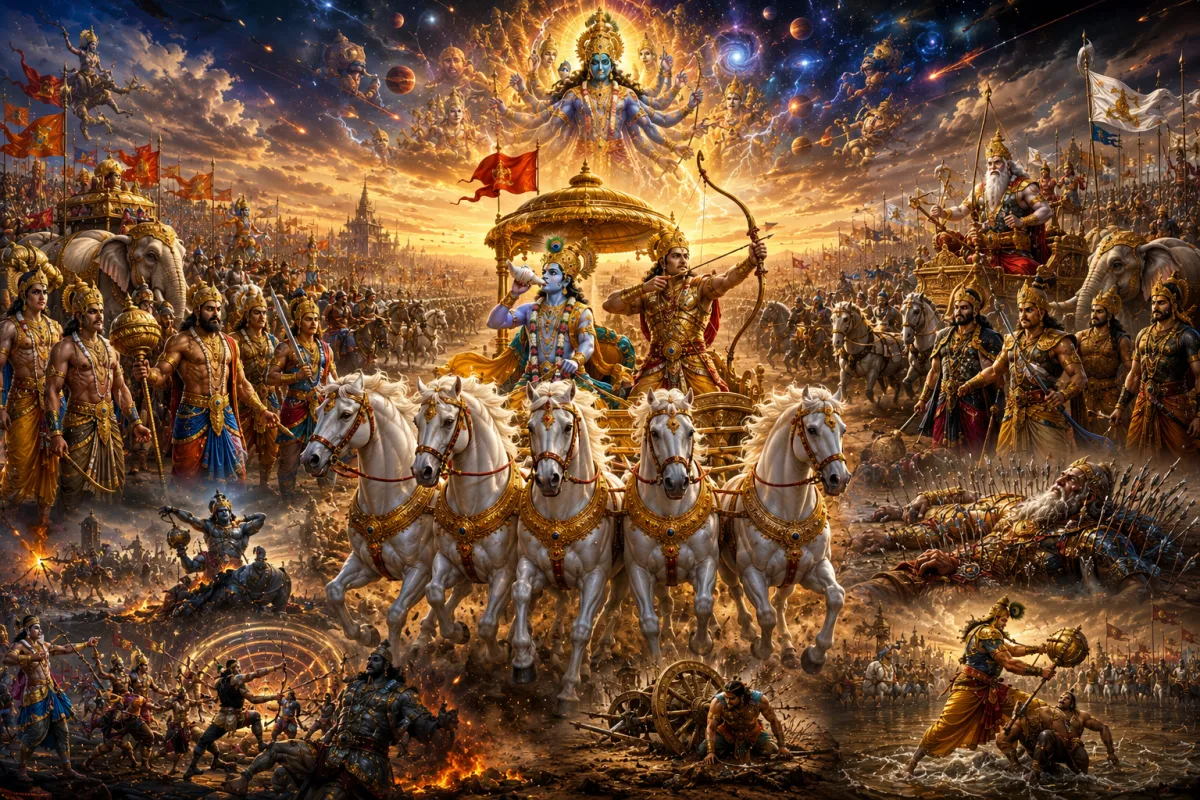
History of the Mahabharata War: Causes, 18-Day Battle, Key Warriors, Krishna's Role, and Lessons from the Mahabharata
महाभारत युद्ध भारतीय इतिहास और सनातन धर्म का सबसे महान युद्ध माना जाता है। इस विस्तृत लेख में कुरु वंश, पांडव-कौरव, 18 दिनों का युद्ध, भगवान श्रीकृष्ण की भूमिका, भगवद्गीता, प्रमुख योद्धा, युद्ध के परिणाम और महाभारत से मिलने वाली जीवन की अमूल्य शिक्षाओं का संपूर्ण वर्णन पढ़ें।
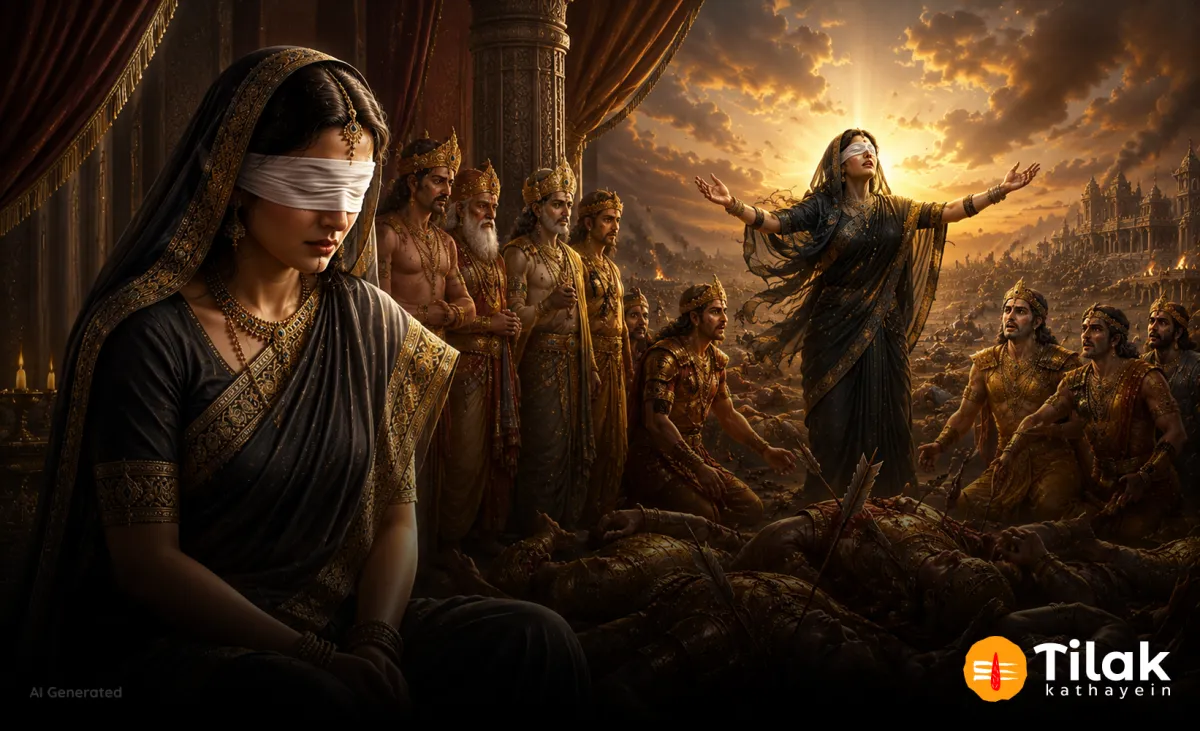
The Story of Gandhari | Gandhari Biography, Curse & Mahabharat Story in Hindi
गांधारी महाभारत की एक आदर्श, त्यागमयी और धैर्यवान नारी थीं, जिनका विवाह हस्तिनापुर के अंधे राजा धृतराष्ट्र से हुआ था। पति के प्रति समर्पण के भाव से उन्होंने जीवनभर अपनी आंखों पर पट्टी बांधे रखी। वे कौरवों की माता थीं और महाभारत युद्ध के बाद अपने सौ पुत्रों के वियोग का असहनीय दुःख सहना पड़ा। इस लेख में जानें गांधारी का जन्म, विवाह, आंखों पर पट्टी बांधने का कारण, सौ पुत्रों की कथा, श्रीकृष्ण को दिया गया शाप और उनके जीवन से मिलने वाली महत्वपूर्ण शिक्षाएं।
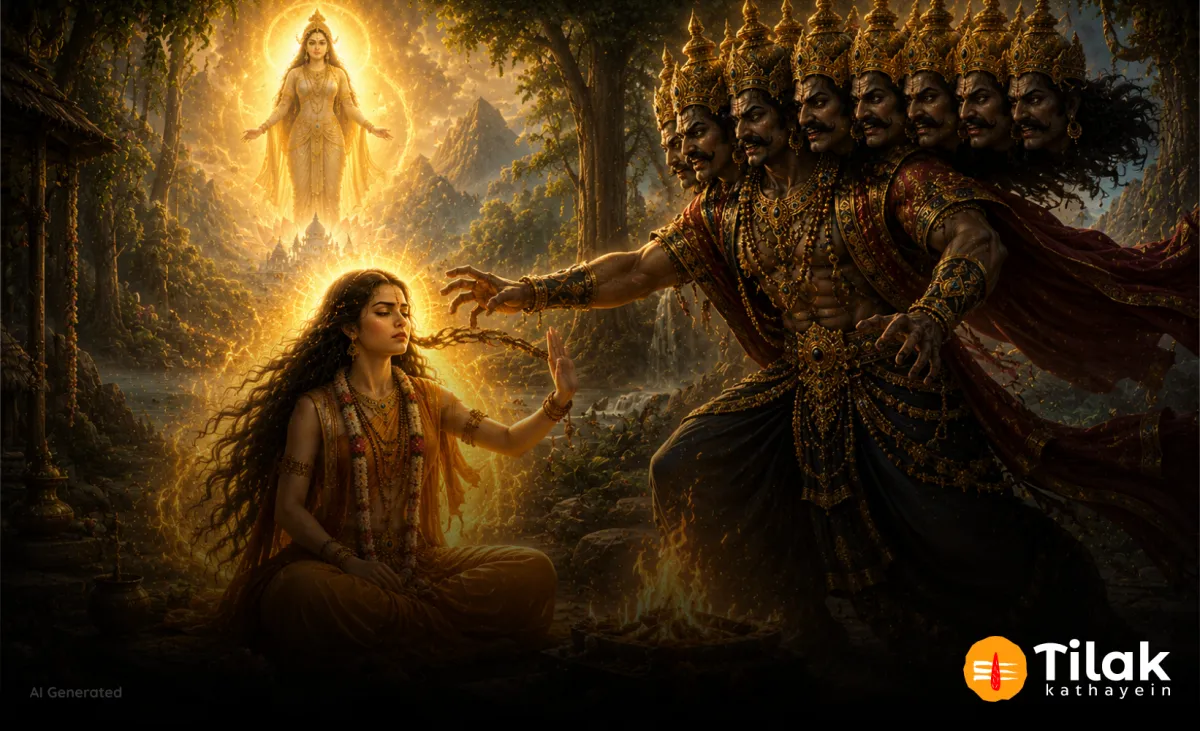
How was Mother Sita born? A mysterious mythological story linked to a curse
**माता सीता के जन्म** को लेकर रामायण और विभिन्न पुराणिक परंपराओं में अलग-अलग कथाएं मिलती हैं। एक प्रसिद्ध मान्यता में उनका संबंध **वेदवती** से जोड़ा जाता है, जिन्होंने भगवान विष्णु को पति रूप में पाने के लिए कठोर तपस्या की थी और रावण के कारण अपने जीवन का अंत कर पुनर्जन्म लेने का संकल्प किया था। आगे चलकर सीता जी का प्राकट्य राजा जनक को खेत में हल चलाते समय हुआ। इस लेख में जानें वेदवती की कथा, श्राप और पुनर्जन्म से जुड़ी मान्यता तथा माता सीता के दिव्य जन्म का रहस्य।
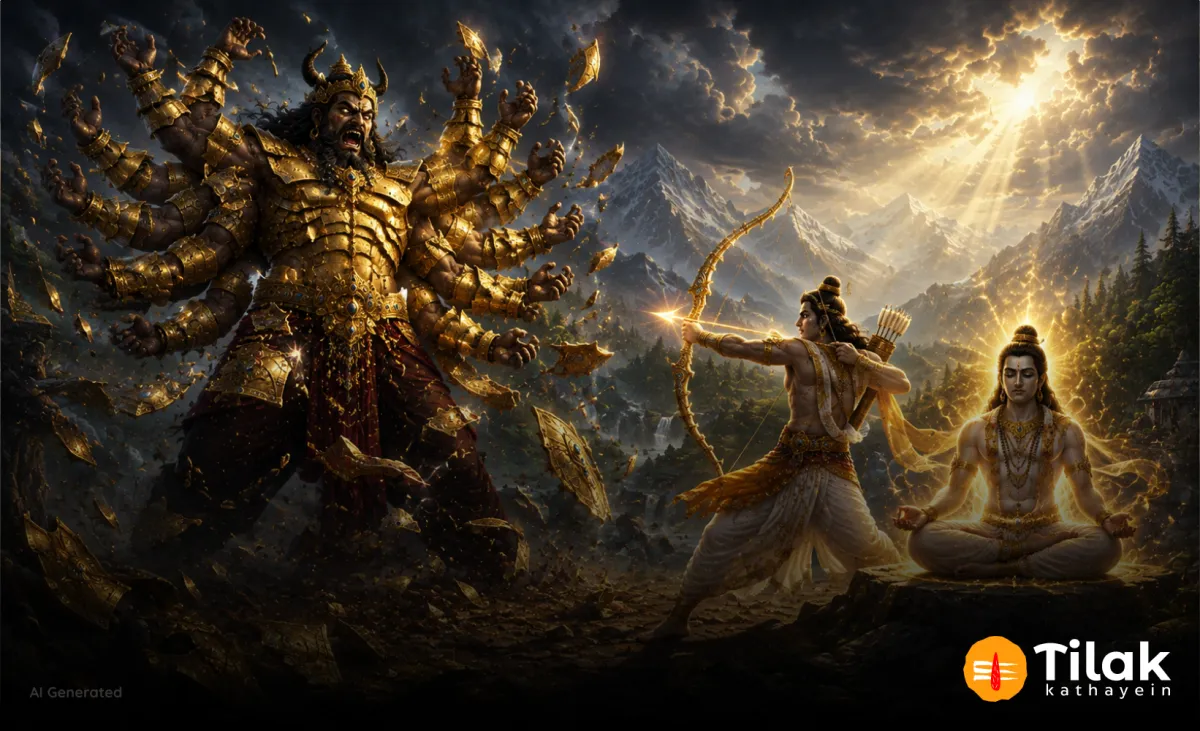
How did Karna's story begin thousands of years ago? A mysterious secret connected to the Mahabharata
**कर्ण** महाभारत के सबसे रहस्यमयी और महान योद्धाओं में से एक थे, लेकिन उनकी कहानी केवल कुरुक्षेत्र युद्ध से शुरू नहीं होती। उनके जन्म, सूर्यदेव से संबंध, कुंती के रहस्य और जीवन में मिले शाप-वरदानों ने उनके भाग्य को जन्म से ही प्रभावित किया। विभिन्न पौराणिक परंपराओं में कर्ण से जुड़े पूर्वजन्म और प्राचीन घटनाओं की भी अलग-अलग मान्यताएं मिलती हैं। इस लेख में जानें कर्ण की कहानी की शुरुआत, उनके जन्म का रहस्य, सूर्यदेव से दिव्य संबंध और महाभारत से जुड़े उन पौराणिक प्रसंगों को, जिन्होंने उनके जीवन की दिशा तय की।
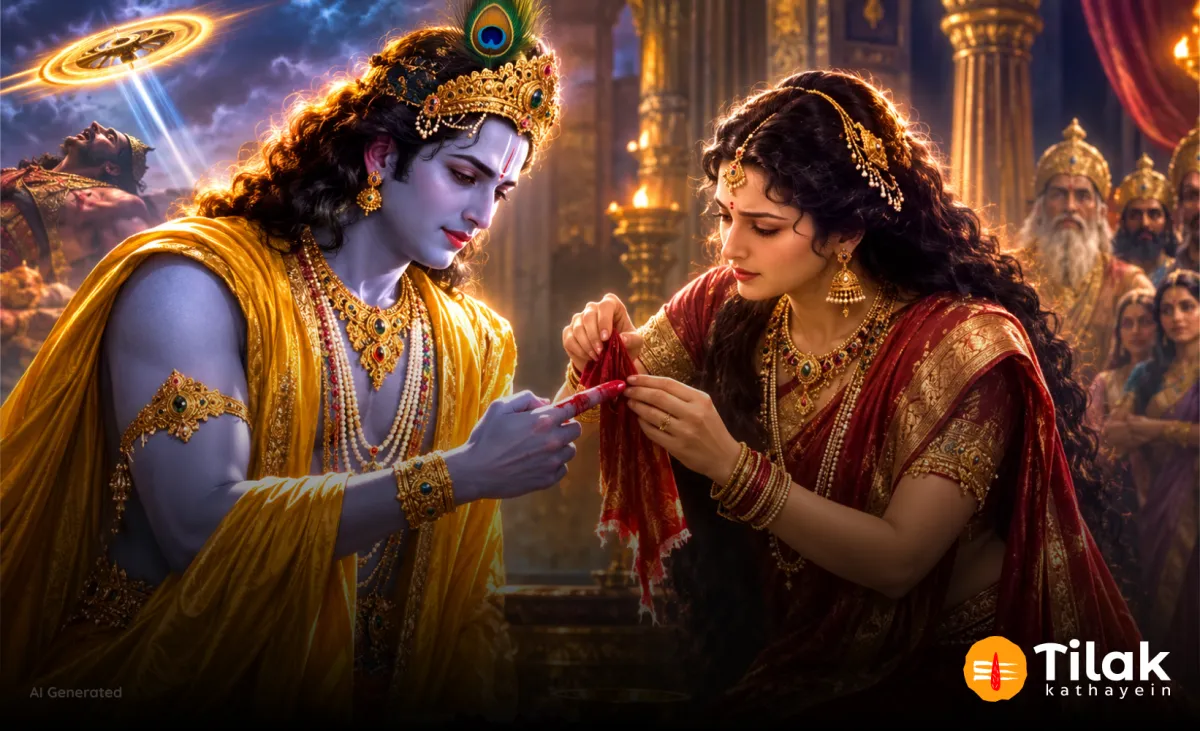
The Story of Draupadi and Krishna's Rakhi | The Truth of Their Relationship in the Mahabharata
**द्रौपदी और श्रीकृष्ण का रिश्ता** महाभारत की सबसे भावनात्मक कथाओं में से एक है। लोकप्रिय मान्यता में द्रौपदी द्वारा कृष्ण को राखी बांधने की कथा सुनाई जाती है, लेकिन मूल महाभारत में राखी बांधने का स्पष्ट वर्णन नहीं मिलता। महाभारत में एक प्रसिद्ध प्रसंग है जिसमें कृष्ण की उंगली से रक्त निकलने पर द्रौपदी कपड़े का टुकड़ा बांधती हैं और कृष्ण उनके इस स्नेह का ऋण चुकाने का वचन देते हैं। इस लेख में जानें दोनों के रिश्ते का वास्तविक स्वरूप और राखी की लोकप्रिय कथा के पीछे की मान्यता।
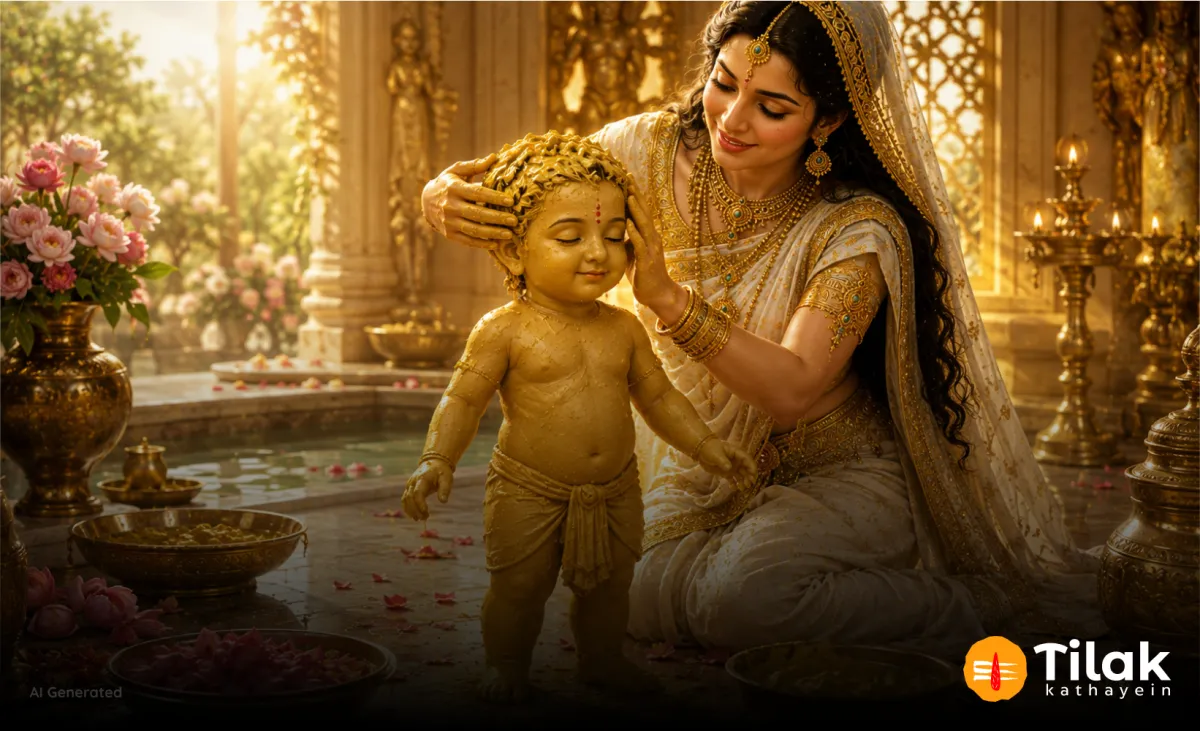
How was Lord Ganesha born? The complete mythological story of Mother Parvati and Shiva
भगवान गणेश के जन्म की कथा हिंदू धर्म की सबसे प्रसिद्ध पौराणिक कथाओं में से एक है। मान्यता के अनुसार, माता पार्वती ने अपने शरीर के उबटन से गणेश जी की रचना की और उन्हें अपने द्वार की रक्षा का दायित्व सौंपा। भगवान शिव के आने पर गणेश जी ने उन्हें भीतर जाने से रोक दिया, जिसके बाद भयंकर संघर्ष हुआ और शिव जी ने उनका सिर काट दिया। माता पार्वती के आग्रह पर भगवान शिव ने हाथी का सिर लगाकर उन्हें पुनर्जीवित किया और प्रथम पूज्य होने का वरदान दिया। इस लेख में जानें गणेश जी के जन्म से लेकर उनके प्रथम पूज्य बनने तक की सम्पूर्ण कथा।