
Angkor Wat Travel Guide | History, Tickets, Timings, How to Reach & Complete Information
Introduction to Angkor Wat Temple
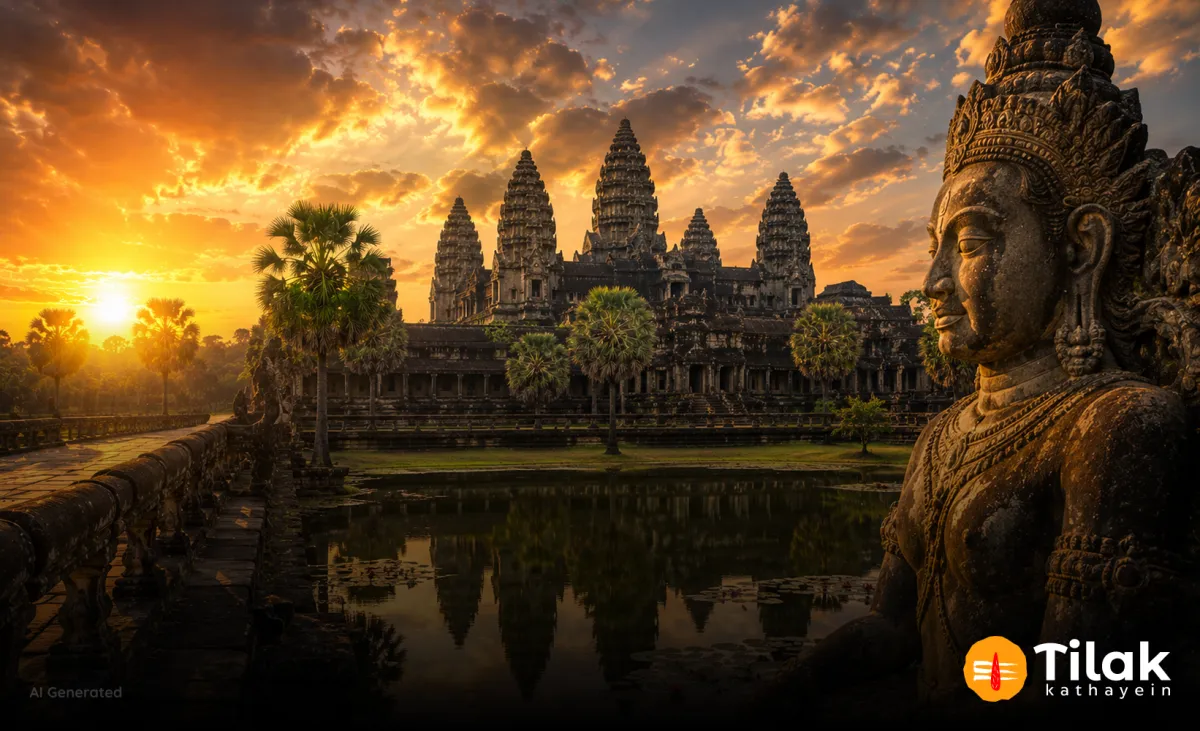
If any ancient temple in the world is known for its grandeur, vastness, antiquity, and amazing architecture, then the name of Angkor Wat prominently comes to the forefront. Located near the city of Siem Reap in Cambodia, this vast temple complex is a significant testament to the influence of Indian culture and ancient Hindu traditions in Southeast Asia.
The original construction of Angkor Wat was carried out in the 12th century during the reign of King Suryavarman II of the Khmer Empire as a Hindu temple dedicated to Lord Vishnu. Later, with the growing influence of Buddhism in Cambodia, this temple also became associated with Buddhist worship.
Today, Angkor Wat is counted among the most important religious and historical monuments in the world. Its colossal structure, five spires, vast moat, mythological carvings on stones, and Khmer architecture make it one of the most amazing temple complexes in the world.
Angkor Wat was made a part of the Angkor region, recognized as a UNESCO World Heritage Site in 1992. This place is extremely important today from the perspective of history, archaeology, architecture, religious heritage, and tourism.
Angkor Wat Temple Introduction (Quick Facts)
| Description | Information |
|---|---|
| Temple Name | Angkor Wat |
| Country | Cambodia |
| City | Siem Reap |
| Main Deity | Lord Vishnu |
| Construction Period | 12th Century |
| Builder | King Suryavarman II |
| Architectural Style | Khmer Architectural Style |
| Original Religious Tradition | Hinduism |
| Later Religious Tradition | Buddhism |
| Specialty | World's Largest Religious Monument |
| Location | Siem Reap Province, Cambodia |
History of Angkor Wat
The construction of Angkor Wat was carried out during the 12th century under the reign of the powerful King Suryavarman II of the Khmer Empire. At that time, the Khmer Empire was one of the major political and cultural powers in Southeast Asia.
King Suryavarman II built a magnificent temple dedicated to Lord Vishnu. The construction of the temple was not just a symbol of religious faith, but also a display of the power, prosperity, and architectural capability of the Khmer Empire.
The plan of Angkor Wat was influenced by the concepts of Hindu cosmology. The five spires located in the center of the temple are considered symbols of the peaks of Mount Meru. The vast moat surrounding it is considered a symbol of the cosmic ocean.
Over time, the influence of Buddhism grew in the Khmer Empire. As a result, Buddhist traditions and idols were also incorporated into Angkor Wat. Despite this, the original Hindu heritage of the temple is still clearly visible in its architecture, sculptures, carvings, and religious narratives.
Mythological and Religious Significance of Angkor Wat
The entire architecture of Angkor Wat is considered to be inspired by Hindu cosmology. The five central spires of the temple represent Mount Meru, which is considered the divine abode of the gods in Hinduism.
The vast moat surrounding the temple is considered a symbol of the cosmic ocean. Thus, the entire complex of the temple presents a symbolic structure of the Hindu universe.
Numerous grand sculptures related to Hindu religious narratives are made on the walls of the temple. Among these, scenes related to the Samudra Manthan (Churning of the Ocean), Ramayana, Mahabharata, conflicts between gods and demons, and heaven and hell are particularly noteworthy.
Connection of Angkor Wat with Lord Vishnu
Angkor Wat was originally built as a temple dedicated to Lord Vishnu. This fact is also evident from many idols, carvings, and religious symbols in the temple.
King Suryavarman II is considered a devotee of Lord Vishnu, and he dedicated his royal temple to Vishnu. Various sculptures and religious symbols related to Vishnu can still be seen in the temple.
The westward orientation of Angkor Wat is also among its unique features. Its westward facing, compared to most Hindu temples, makes it distinct architecturally.

Religious Significance of Angkor Wat
Angkor Wat is not just a historical monument but also an important testament to the influence of Indian culture and Sanatana traditions in ancient Southeast Asia. The temple's architecture, sculptural art, and religious symbols are deeply connected to ancient Hindu ideology.
In later times, the influence of Buddhism increased here, and the temple also became associated with Buddhist worship. Today, Angkor Wat is an important example of the historical coexistence of both Hindu and Buddhist cultural traditions.
Amazing Architecture of Angkor Wat
Angkor Wat is considered one of the highest achievements of Khmer architecture. Its vast complex spans an area of approximately 200 hectares. A large moat and an outer enclosure have been built around the temple.
The structure of the temple includes multiple levels, corridors, gateways, courtyards, and a central spire. Its central part has five main spires, built in the shape of lotus flowers.
The temple is mainly constructed from sandstone and other local building materials. The construction of such a massive structure is an amazing example of the engineering and architectural capabilities of that era.
The Five Main Spires of the Temple
There are five main spires in the central part of Angkor Wat. Four spires represent the four cardinal directions, while the tallest central spire is considered a symbol of the spiritual center of the temple.
In Hindu cosmology, these spires are associated with the peaks of Mount Meru. This design of the temple presents a wonderful connection between religious philosophy and architecture.
Famous Carving of Samudra Manthan
One of the most famous sculptures of Angkor Wat is the grand scene of Samudra Manthan (Churning of the Ocean). It depicts gods and demons churning the ocean around Mount Mandara with the help of Vasuki Naga.
According to Hindu Puranas, the churning of the ocean resulted in the emergence of many divine objects and powers, including Amrita (nectar of immortality). This story is presented in a very detailed and artistic manner on the walls of Angkor Wat.
Carvings of Ramayana and Mahabharata
Numerous scenes from Indian epics are carved on the walls of Angkor Wat. Among these, the battle sequences from the Ramayana and Mahabharata are particularly important.
- Scenes of the war between Rama and Ravana
- Scenes of the Kurukshetra War
- Battles between gods and demons
- Episodes related to Lord Vishnu
- Scenes of heaven and hell
- Royal procession of King Suryavarman II
These sculptures reveal the cultural connections between ancient Indian religious literature and Khmer civilization.
Apsara and Deity Statues of the Temple
A large number of beautiful figures of Apsaras, deities, and religious characters have been created on the walls and pillars of Angkor Wat. In these statues, ornaments, crowns, costumes, and dance postures are carved with great subtlety.
These carvings provide important information about the art, culture, attire, and religious traditions of that era.
Major Religious and Cultural Festivals
Today, Angkor Wat is primarily a historical and Buddhist cultural site. Religious events related to local Buddhist traditions are held here. Additionally, special activities can be seen in the temple area during major Cambodian cultural occasions.
Special cultural programs are organized in the Angkor region during Khmer New Year and other traditional religious occasions.
Angkor Wat Temple Visiting Hours
The main temple complex of Angkor Wat generally opens very early in the morning for tourists. A large number of tourists arrive early in the morning to witness the sunrise.
| Information | Time |
|---|---|
| Angkor Wat Complex | Approximately 5:00 AM to 5:30 PM |
| Central Upper Part | Special timings and rules may apply |
Note: Timings are subject to change. It is advisable to confirm the latest timings from official sources before your visit.

Is there a daily Aarti at Angkor Wat?
Unlike the major Hindu temples in India, there is no established system for regular daily Hindu Aarti at Angkor Wat. Currently, the temple is also associated with Buddhist religious traditions.
Pujas and prayers may be performed according to local traditions on special religious occasions, but this should not be considered equivalent to the regular Aarti system of an active Hindu temple in India.
How is worship performed at Angkor Wat today?
Today, devotees and tourists visiting the temple can offer prayers according to their religious and cultural traditions. Buddhist religious activities are also observed in the complex.
- Prayer and meditation
- Offering incense and flowers
- Expressing devotion before religious idols
- Circumambulation of the temple
- Viewing historical and religious carvings
Angkor Wat Entry Fee
The ticket for Angkor Wat is generally issued for the entire Angkor Archaeological Park. This allows tourists to visit many other major temples and historical sites along with Angkor Wat.
| Ticket | Price | Validity |
|---|---|---|
| 1-Day Pass | USD 37 | 1 Day |
| 3-Day Pass | USD 62 | Any 3 days within 10 days |
| 7-Day Pass | USD 72 | Any 7 days within 1 month |
Important: Ticket prices and rules may change over time. Confirm the latest fees from the official Angkor Enterprise source before your visit.
Angkor Wat Dress Code
Angkor Wat is an important religious and cultural site. Therefore, it is necessary to wear modest clothing within the temple complex. Especially when entering upper sacred areas, a dress code may need to be followed.
For Men
- Shoulders should be covered.
- Knees should be covered.
- Avoid excessively short shorts.
For Women
- Shoulders should be covered.
- Knees should be covered.
- Avoid overly revealing or short clothing.
Photography Rules
Personal photography is generally allowed at Angkor Wat. The temple's architecture and sunrise views are particularly popular.
- Mobile photography is generally permitted.
- Personal camera photography can be done.
- Separate permission may be required for commercial shooting.
- Flying drones requires adherence to local permits and regulations.
- Respect the religious activities of other devotees.
- Do not photograph in restricted areas.
Best Time to Visit Angkor Wat
November to February
This period is generally considered the most comfortable for visiting the Angkor region. The weather is relatively cool and dry.
March to May
The weather can be quite hot during this period. It is better to plan to visit the temple early in the morning and relax in the afternoon.
June to October
This is the rainy season. The greenery looks very beautiful during this time, and the atmosphere of the temple can be very attractive after the rain. However, the weather can change suddenly.
How to Reach Angkor Wat from India?
By Air
Travel from India to Siem Reap can usually be done via one or more connecting flights. Availability and routes may vary depending on the airline and travel dates.
Nearest Major Airport: Siem Reap–Angkor International Airport
The distance from the new Siem Reap–Angkor International Airport to Angkor Wat by road can be approximately 45–50 kilometers.
By Train
There is no direct train service to Siem Reap from India. International travelers may first need to reach a major city in Cambodia or neighboring countries and then travel to Siem Reap by road.
By Road
Siem Reap is connected by bus, taxi, and private vehicle from major cities like Bangkok and Phnom Penh.
Local Transportation
Several local transportation options are available to reach Angkor Wat and surrounding temples from Siem Reap city.
- Tuk-Tuk
- Taxi
- Private Car
- Bicycle
- Electric Bike
If you plan to visit the entire Angkor Archaeological Park, hiring a Tuk-Tuk or private vehicle for the whole day can be a convenient option.

Major Places to Visit Nearby
1. Angkor Thom
Angkor Thom was an important capital of the ancient Khmer Empire. Its grand gates, ancient walls, and historical structures make it a major attraction of the Angkor region.
2. Bayon Temple
Bayon Temple is famous for its colossal stone faces. The temple's sculptural art reflects the distinct style of Khmer architecture.
3. Ta Prohm
Ta Prohm Temple is famous for its ancient walls and the giant tree roots spreading over them. This temple also gained worldwide popularity due to the film Tomb Raider.
4. Banteay Srei
Banteay Srei is famous for its extremely intricate carvings on red-pink sandstone. It is considered one of the most beautiful temples in the Angkor region.
5. Phnom Bakheng
Phnom Bakheng is a hill temple and is among the popular spots for watching the sunset in the Angkor region.
6. Preah Khan
Preah Khan is a vast historical temple complex, where the beauty of Khmer architecture and ancient relics can be seen.
Important Tips for Travelers
- Arrive very early in the morning to witness the sunrise.
- Carry sufficient water.
- Wear comfortable shoes.
- Carry a hat and sunscreen to protect yourself from the sun.
- Respect religious and historical structures.
- Do not touch the stone carvings.
- Follow the designated paths within the temple complex.
- If you wish to see the entire Angkor Archaeological Park, allocate at least 2–3 days.
- Hiring a local guide can help in better understanding the historical and religious information of the temple.
15 Interesting Facts Related to Angkor Wat Temple
-
Angkor Wat was originally built as a Hindu temple.
The temple was constructed as a grand Hindu temple dedicated to Lord Vishnu.
-
It is one of the largest religious monuments in the world.
The vast complex of Angkor Wat spans an area of approximately 200 hectares.
-
Angkor Wat appears on the national flag of Cambodia.
The temple is an important symbol of Cambodia's national identity and cultural heritage.
-
The temple is associated with Lord Vishnu.
Its primary purpose of original construction was the worship of Lord Vishnu.
-
The temple faces west.
Its westward orientation, compared to most Hindu temples, is one of its distinguishing features.
-
The five central spires are considered symbols of Mount Meru.
These spires are linked to Hindu cosmology.
-
A grand carving of Samudra Manthan is present here.
A detailed sculpture of the Samudra Manthan story is visible on the temple walls.
-
Scenes from the Ramayana and Mahabharata are carved here.
Many important episodes from Indian epics are depicted in the temple's carvings.
-
The temple features thousands of religious and decorative figures.
Exquisitely beautiful carvings of deities, Apsaras, and other religious figures adorn the temple walls.
-
It is an outstanding achievement of Khmer architecture.
The temple's design and construction techniques showcase the advanced engineering capabilities of the ancient Khmer civilization.
-
Both Hindu and Buddhist heritage are visible in the temple.
Originally a Hindu temple, it later came under the influence of Buddhist traditions.
-
The sunrise view is world-famous.
The reflection of the temple in the water in front of it appears particularly captivating during sunrise.
-
Angkor Wat is evidence of the influence of Indian culture in Southeast Asia.
The temple's language, religious symbols, narratives, and architecture reflect Indian cultural influence.
-
There are many ancient temples in the Angkor region.
Numerous other historical temples and monuments are located around Angkor Wat.
-
It is among the world's most important cultural tourism destinations.
Every year, a large number of tourists visit to see its architecture, history, and religious heritage.
Frequently Asked Questions (FAQs)
1. Where is Angkor Wat temple located?
Angkor Wat is located in Siem Reap Province, Cambodia.
2. To which god was Angkor Wat dedicated?
Angkor Wat was originally built as a Hindu temple dedicated to Lord Vishnu.
3. Who built Angkor Wat?
Angkor Wat was built during the reign of King Suryavarman II of the Khmer Empire.
4. When was Angkor Wat built?
Its construction is believed to have taken place in the 12th century.
5. Is Angkor Wat still a place of worship today?
Angkor Wat is also associated with Buddhist religious activities today, and its original Hindu heritage is also preserved.
6. Is Angkor Wat a Hindu temple or a Buddhist temple?
Historically, it was built as a Hindu temple dedicated to Lord Vishnu. Later, it also became associated with Buddhist worship.
7. What is the best time to visit Angkor Wat?
The period between November and February is generally considered the most comfortable for travel.
8. Is photography allowed at Angkor Wat?
Personal photography is generally allowed. It is necessary to follow local regulations for restricted areas, drones, and commercial shooting.
9. How much time does it take to visit Angkor Wat?
Visiting the main temple may take a few hours. It is better to allocate 2–3 days to see the entire Angkor Archaeological Park.
10. Is there a dress code at Angkor Wat?
Yes. Modest clothing covering shoulders and knees may be required in religious and sensitive areas.
11. Can Indian tourists visit Angkor Wat?
Yes. Indian tourists can visit Angkor Wat by fulfilling Cambodia's current entry and visa requirements.
12. Which temples are near Angkor Wat?
Many important historical sites like Angkor Thom, Bayon, Ta Prohm, Banteay Srei, and Preah Khan are located nearby.
13. Is Angkor Wat a UNESCO World Heritage Site?
The Angkor region was listed as a UNESCO World Heritage Site in 1992.
14. Why is Samudra Manthan famous at Angkor Wat?
The grand and detailed sculpture of Samudra Manthan on the temple wall presents the Hindu mythological story in an amazing artistic form.
15. Is Angkor Wat a temple of Lord Shiva?
Angkor Wat's original dedication was to Lord Vishnu. Therefore, it is primarily known as a Vishnu temple.
Conclusion
Angkor Wat is not just an ancient temple of Cambodia, but a magnificent heritage of human civilization, Indian culture, Hinduism, and Khmer architecture. Its colossal structure, connection with Lord Vishnu, symbolic concept of Mount Meru, carvings of Samudra Manthan, and scenes from the Ramayana and Mahabharata give it a place among the world's most important religious monuments.
This temple, nearly a thousand years old, still helps us understand how extensive the influence of Indian religion, philosophy, art, and culture was in Southeast Asia in ancient times.
If you are interested in Sanatana culture, ancient temples, Indian history, and Hindu religious sites of the world, then Angkor Wat is a place you must know and see.
Read About Other Famous Temples
- Pashupatinath Temple, Nepal
- Prambanan Temple, Indonesia
- Prasat Muang Tam, Thailand
- Phanom Rung Temple, Thailand
- Somnath Temple, Gujarat
- Kashi Vishwanath Temple, Varanasi
- Kedarnath Temple, Uttarakhand
- Rameswaram Temple, Tamil Nadu
- Jagannath Temple, Puri
Important Sources Related to Angkor Wat
For historical, archaeological, and travel-related information about Angkor Wat, it is advisable to confirm the latest information from reliable sources such as the official Cambodian Authority for Archaeology, UNESCO, and Angkor Enterprise.
Today's Panchang 16 November 2026
For auspicious times, choghadiya, horoscope and planetary positions
Related Articles
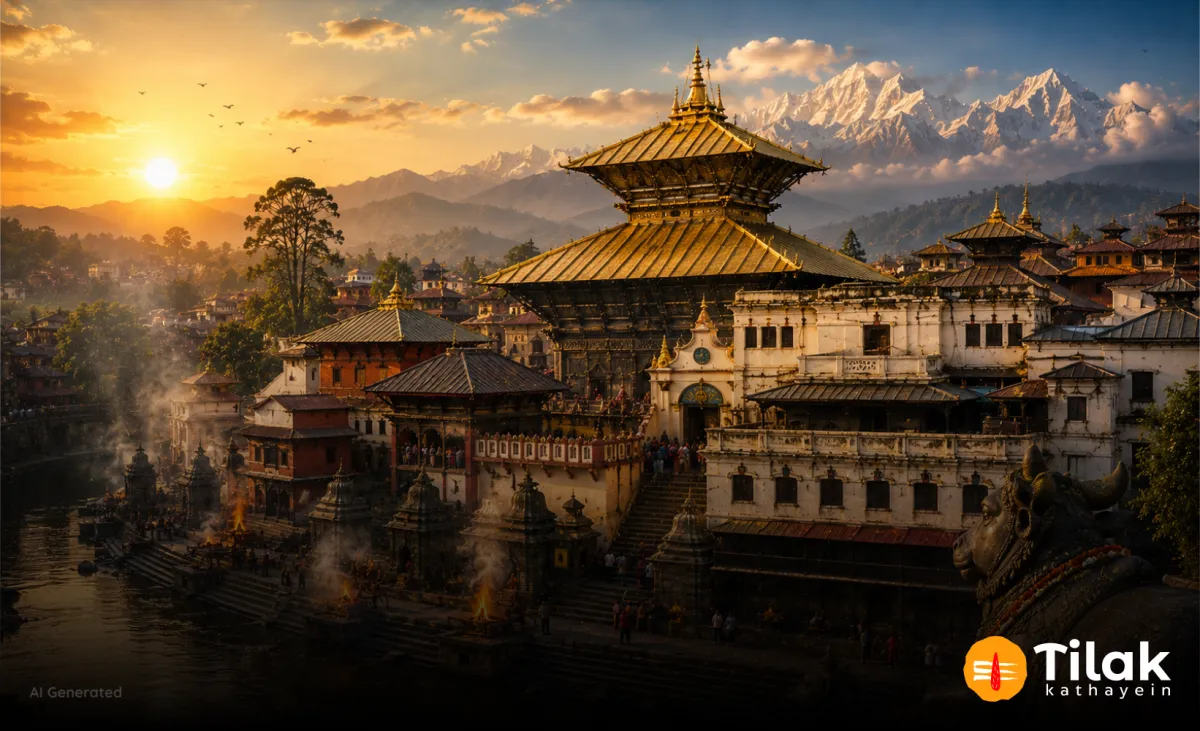
Pashupatinath Temple: History, Mysteries, Darshan Timings & Travel Guide
नेपाल के काठमांडू में बागमती नदी के तट पर स्थित पशुपतिनाथ मंदिर भगवान शिव के सबसे पवित्र और प्राचीन धामों में से एक है, जिसे यूनेस्को विश्व धरोहर स्थल का दर्जा प्राप्त है। यह मंदिर भगवान शिव के 'पशुपति' (समस्त जीवों के रक्षक) स्वरूप को समर्पित है, जहाँ स्थापित अद्वितीय पंचमुखी शिवलिंग के चार मुख चारों दिशाओं और पांचवां मुख ऊर्ध्व दिशा (आकाश) का प्रतीक हैं। मान्यता है कि केदारनाथ में शिव के पृष्ठ भाग और पशुपतिनाथ में उनके अग्र भाग (मुख) के दर्शन होते हैं।
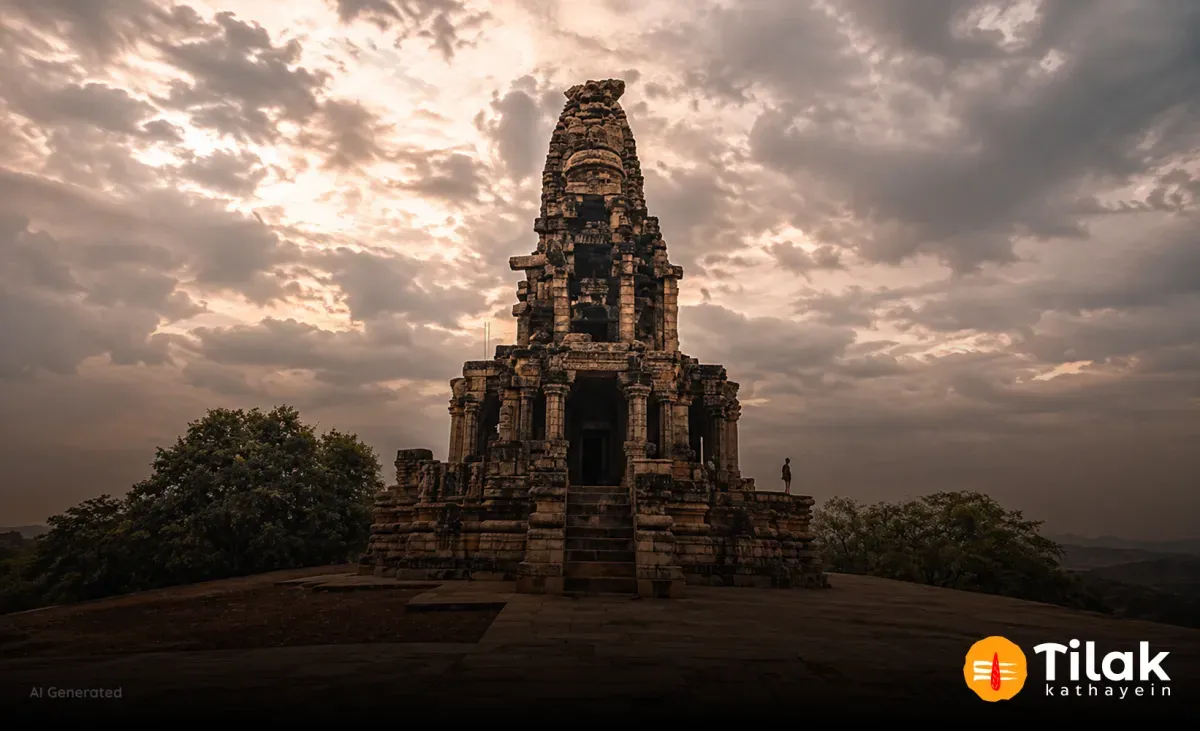
Kakanmath Temple | History, Mystery & Architecture
**काकनमठ मंदिर** मध्य प्रदेश के मुरैना जिले में स्थित भगवान शिव को समर्पित एक प्राचीन और रहस्यमयी मंदिर है। लगभग एक हजार वर्ष पुराना यह मंदिर अपनी अनोखी वास्तुकला के लिए प्रसिद्ध है, क्योंकि इसकी विशाल पत्थर की संरचना बिना चूने या सीमेंट के खड़ी दिखाई देती है। लोकमान्यताओं, ऐतिहासिक महत्व और स्थापत्य कला के कारण यह मंदिर इतिहासकारों, श्रद्धालुओं और पर्यटकों के लिए विशेष आकर्षण का केंद्र है। इस लेख में जानें काकनमठ मंदिर का इतिहास, रहस्य, पौराणिक मान्यताएं, वास्तुकला, दर्शन की जानकारी और यात्रा से जुड़े महत्वपूर्ण तथ्य।

🔴 LIVE Navayauvan Vesha Darshan | Naba Jauban Darshan | Puri Jagannath Temple
पुरी जगन्नाथ मंदिर से भगवान जगन्नाथ, बलभद्र और देवी सुभद्रा के पावन 'नवयौवन वेश' के सीधे दर्शन (LIVE) करें। 14 दिनों के 'अनवसर' (एकांतवास) के बाद आज महाप्रभु स्वस्थ होकर अपने भक्तों को मनमोहक और युवा रूप में दर्शन दे रहे हैं। इस ऐतिहासिक और दिव्य पल का लाइव अपडेट यहाँ देखें।
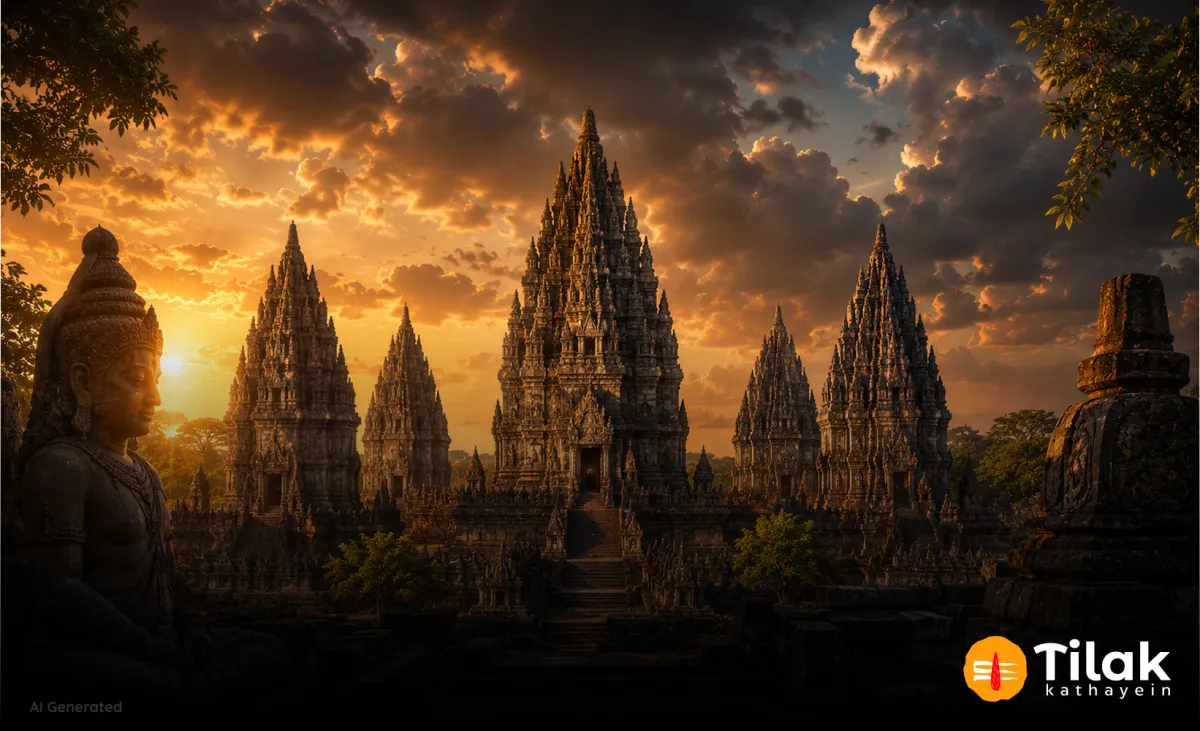
Prambanan Temple in Hindi | Complete Information of Prambanan Temple in Indonesia
प्रम्बानन मंदिर इंडोनेशिया का सबसे बड़ा और भव्य हिंदू मंदिर परिसर है, जो मुख्य रूप से भगवान शिव, भगवान विष्णु और भगवान ब्रह्मा को समर्पित है। यूनेस्को विश्व धरोहर स्थल के रूप में प्रसिद्ध यह मंदिर अपनी अद्भुत वास्तुकला, प्राचीन इतिहास और धार्मिक महत्व के लिए विश्वभर में जाना जाता है। इस लेख में जानें प्रम्बानन मंदिर का इतिहास, पौराणिक कथाएं, स्थापत्य कला, यात्रा मार्ग और इससे जुड़े रोचक तथ्य।
Udupi Shri Krishna Mandir – Darshan Timings, History, How to Reach | Complete Information
उडुपी श्री कृष्ण मंदिर का इतिहास, दर्शन समय, पहुंच मार्ग और महत्व जानें, जो कर्नाटक का एक प्रमुख धार्मिक स्थल है। यह प्राचीन मंदिर अपने अनूठे दर्शन और आध्यात्मिक वातावरण के लिए विख्यात है।
Amarnath Temple | Amarnath Temple Yatra in Hindi
जम्मू-कश्मीर स्थित पवित्र अमरनाथ मंदिर की सम्पूर्ण जानकारी हिंदी में पढ़ें। जानें अमरनाथ गुफा का इतिहास, पौराणिक कथा, बाबा बर्फानी के दर्शन, यात्रा मार्ग, पंजीकरण प्रक्रिया और धार्मिक महत्व।