
The Story of King Harishchandra | Complete Story and Teachings
📋 Table of Contents
The Story of King Harishchandra – Introduction
The story of King Harishchandra is primarily derived from texts like the Markandeya Purana and Aitareya Brahmana. This story illustrates the importance of truthfulness, sacrifice, and unwavering faith in Dharma. King Harishchandra is renowned for his honesty and commitment, having sacrificed his kingdom, family, and ultimately his life to uphold his vow. This story inspires adherence to the path of truth in Hinduism and establishes the highest ideals of sacrifice and duty.
This story holds a significant place in Hindu culture as it highlights the importance of truth and teaches that Dharma should be followed in all circumstances. This narrative has been inspiring people for centuries and is a symbol of unwavering faith in truthfulness.
Character Introduction
King Harishchandra: A Suryavanshi king, famed for his truthfulness and devotion to Dharma. He is steadfast in his vows and willing to go to any extent to maintain the truth. In the story, he is presented as a symbol of truth.
Queen Taramati: King Harishchandra's wife, a virtuous and devoted woman. She stands by her husband through every crisis and demonstrates her loyalty and patience. In the story, she is a symbol of sacrifice and devotion.
Rohitasva: The son of King Harishchandra and Queen Taramati, who plays a crucial role in the story. His death marks a significant turning point in the narrative, making the trials of Harishchandra and Taramati even more arduous.
Vishwamitra: A powerful sage who tests King Harishchandra. He challenges Harishchandra's truthfulness and forces him to endure numerous hardships. He is a significant driving force in the story.
The Story of King Harishchandra – Complete Story
In ancient times, a righteous and truthful king named Harishchandra ruled in Ayodhya. He was just and compassionate towards his subjects. His wife, Queen Taramati, was a devoted and virtuous woman, and they had a son named Rohitasva. King Harishchandra was renowned in all three worlds for his truthfulness.
Once, Sage Vishwamitra decided to test King Harishchandra's truthfulness. He asked the king for his kingdom as a donation, which the king immediately accepted. Following this, Vishwamitra demanded gold coins as the donation's fee. The king had nothing, so he sold his wife and son and sold himself to a Chandala to pay the fee.
King Harishchandra had to work as a servant to the Chandala at the cremation ground. One day, Queen Taramati arrived at the cremation ground with the dead body of her son, Rohitasva. King Harishchandra recognized his wife but kept his identity hidden. Queen Taramati did not have money for the funeral rites, so the king demanded a fee from her.
At that very moment, Sage Vishwamitra appeared and, pleased with King Harishchandra's truthfulness, blessed him. He returned the king's kingdom and brought his son back to life. The gods showered flowers upon King Harishchandra and praised his truthfulness.
Thus, King Harishchandra became immortal due to his truthfulness and devotion to Dharma. His story continues to inspire people to walk the path of truth even today.
Lessons from the Story
- Main Message – This story highlights the importance of truthfulness. The path of truth may be difficult, but ultimately, truth prevails.
- Moral Lesson – We should always speak the truth and keep our promises. We should never abandon Dharma under any circumstances.
- Modern Relevance – This story remains relevant in today's life. It teaches us to remain firm in our values and never compromise.
Frequently Asked Questions
In which scripture is the story of King Harishchandra found?
The story of King Harishchandra is found in various scriptures such as the Markandeya Purana, Aitareya Brahmana, and Mahabharata. The Markandeya Purana provides a detailed account of this tale, presenting a chronological description of the events in Harishchandra's life.
What lesson is learned from the story of King Harishchandra?
From the story of King Harishchandra, we learn lessons of truthfulness, devotion to Dharma, and sacrifice. This story teaches us that to follow the path of truth, we must be prepared to face any difficulty and remain steadfast in our values.
Conclusion
The story of King Harishchandra remains eternally relevant as it imparts profound lessons on truthfulness. This narrative is unique in Hindu lore for demonstrating how dedicated a person can be to their values, even in the most challenging circumstances. This story inspires us to always walk the path of truth, regardless of how adverse the situations may be.
We request you all to share this inspiring story with as many people as possible. This story teaches us that the path of truth, Dharma, and sacrifice is the best in life. Jai Shri Ram!
Today's Panchang 13 September 2026
For auspicious times, choghadiya, horoscope and planetary positions
Related Articles
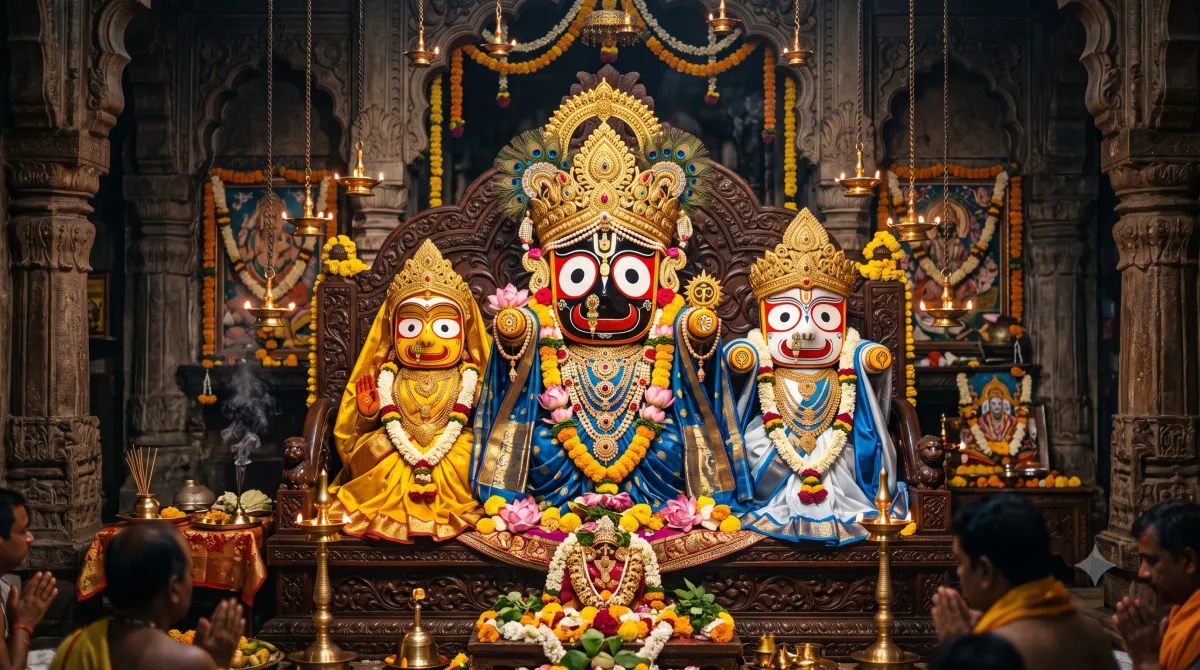
Introduction to Lord Jagannath | History, Mythology, Form, and Significance
भगवान जगन्नाथ भगवान श्रीकृष्ण के दिव्य स्वरूप माने जाते हैं और ओडिशा के पुरी में स्थित श्री जगन्नाथ मंदिर विश्वभर के करोड़ों श्रद्धालुओं की आस्था का केंद्र है।
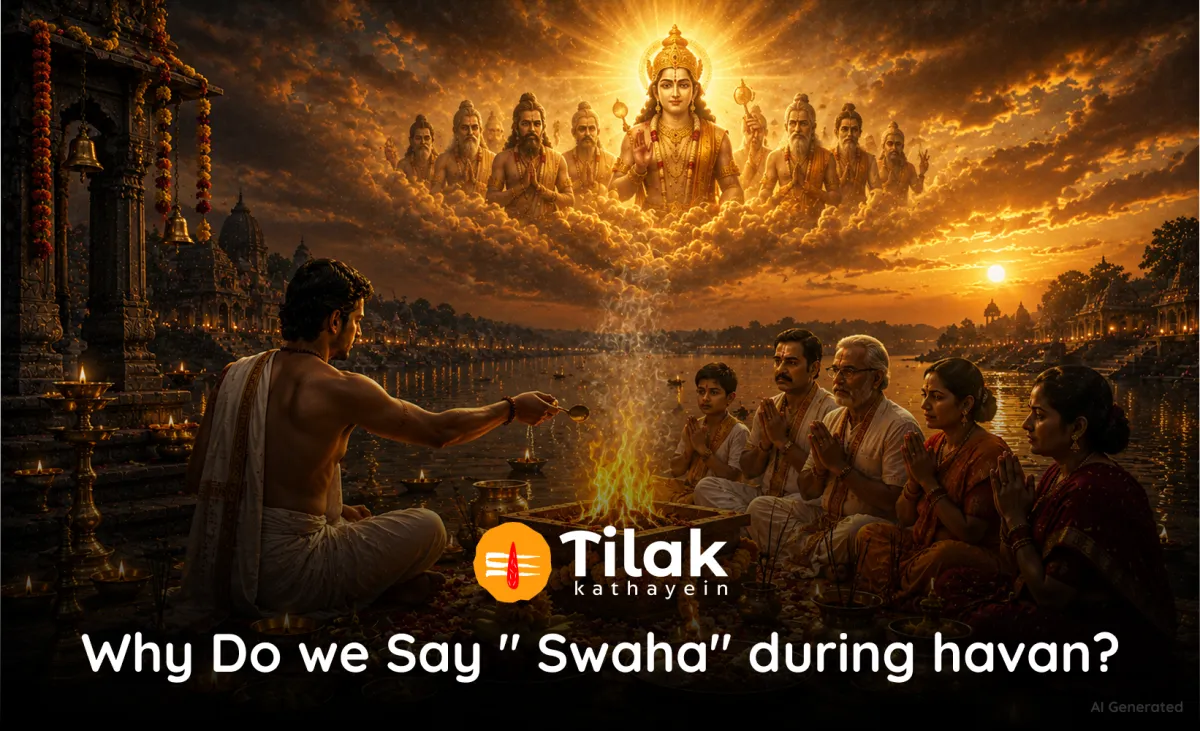
Why Do We Say "Swaha" During Havan?
स्वाहा हिंदू धर्म में एक महत्वपूर्ण मंत्र है, जो यज्ञ में आहुति की पूर्णता का प्रतीक है। यह देवी स्वधा का एक रूप है और पितरों को तृप्त करने व देवताओं को प्रसन्न करने के लिए प्रयोग किया जाता है।
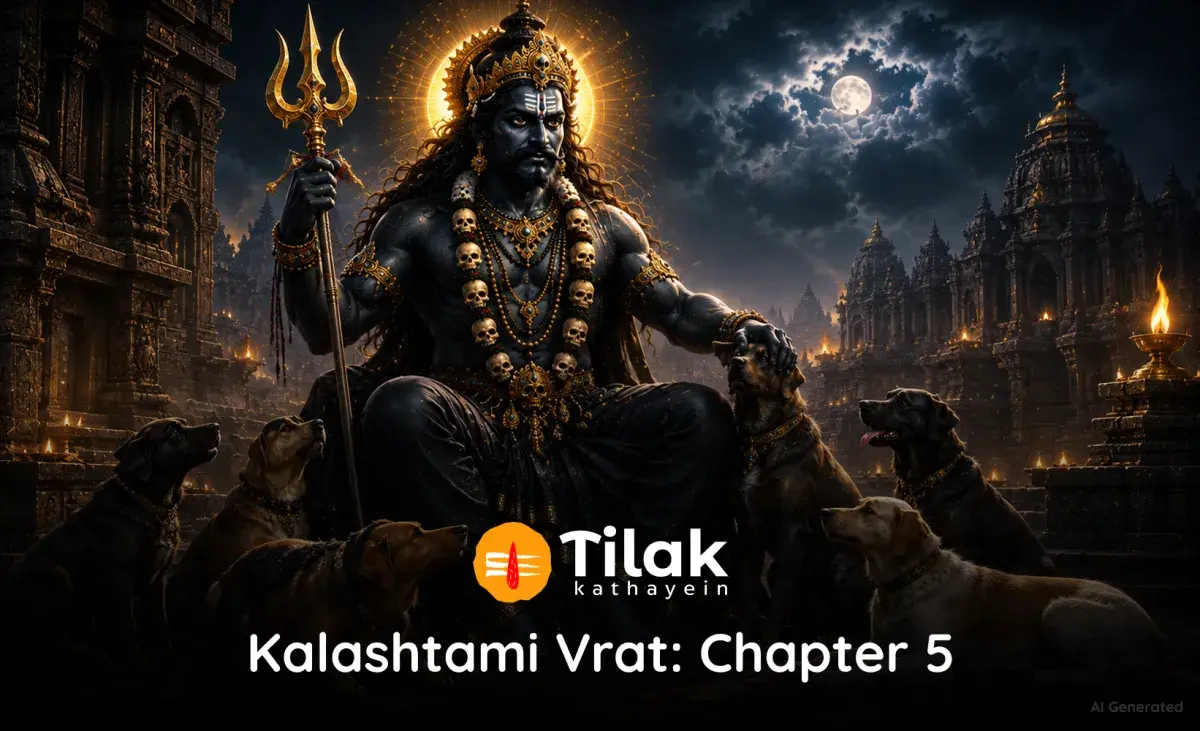
Kalashtami Vrat – Chapter 5: The Fruit and Lesson of Devotion
कालाष्टमी व्रत का अध्याय 5 — भक्ति का फल और सीख। यह अंतिम अध्याय बताता है कि कालाष्टमी व्रत रखने से प्राप्त होने वाले परिणाम और इससे मिली सीख क्या है।
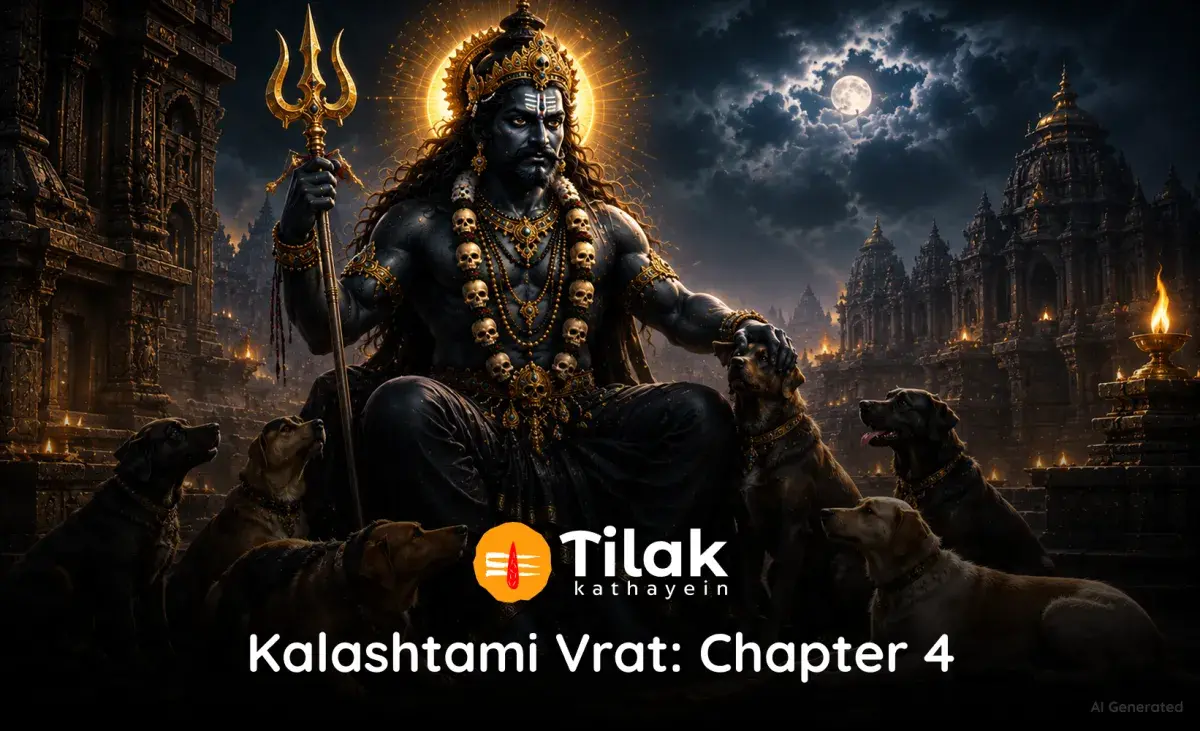
Kalashtami Vrat – Chapter 4: Divine Intervention and Blessings
कालाष्टमी व्रत का अध्याय 4 — दिव्य हस्तक्षेप और आशीर्वाद। अध्याय चार में, भगवान भैरव भक्त की अटूट भक्ति से प्रसन्न होते हैं और उसे अपना आशीर्वाद देते हैं।
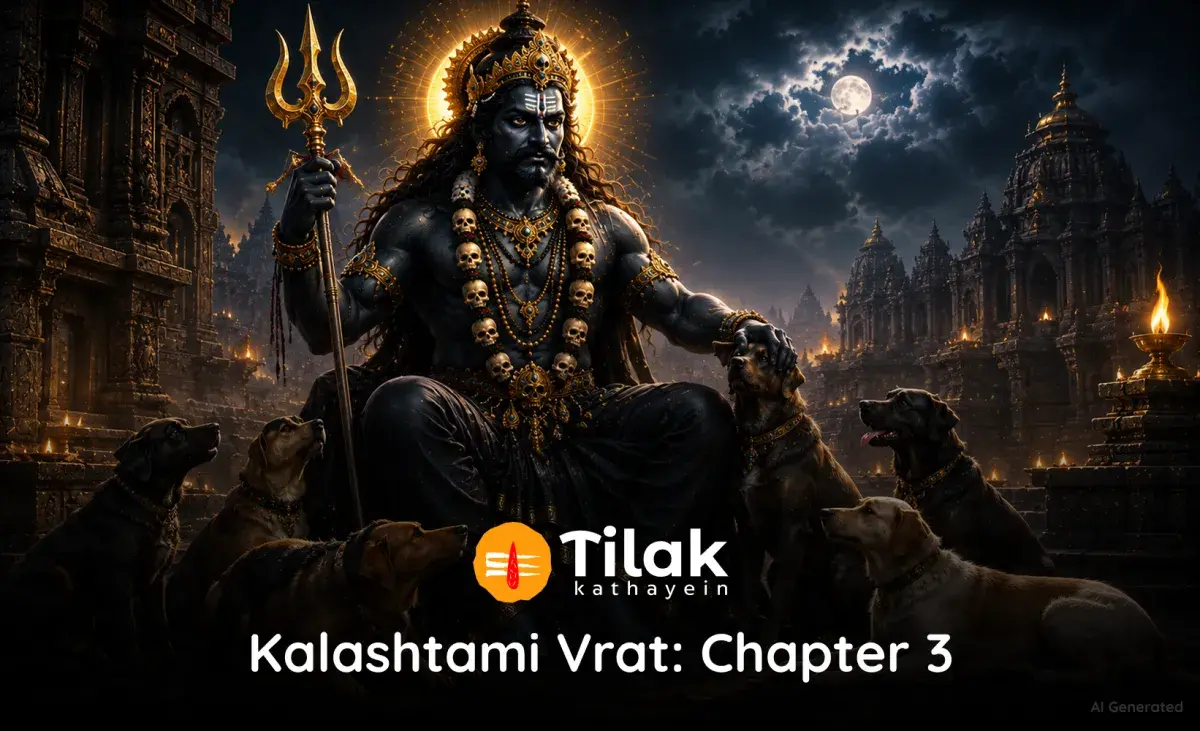
Kalashtami Vrat – Chapter 3: Facing Trials and Tribulations
कालाष्टमी व्रत का अध्याय 3 — परीक्षा और कष्टों का सामना। इस अध्याय में, भक्त को भगवान की कृपा प्राप्त करने से पहले कई बाधाओं और परीक्षाओं का सामना करना पड़ता है।
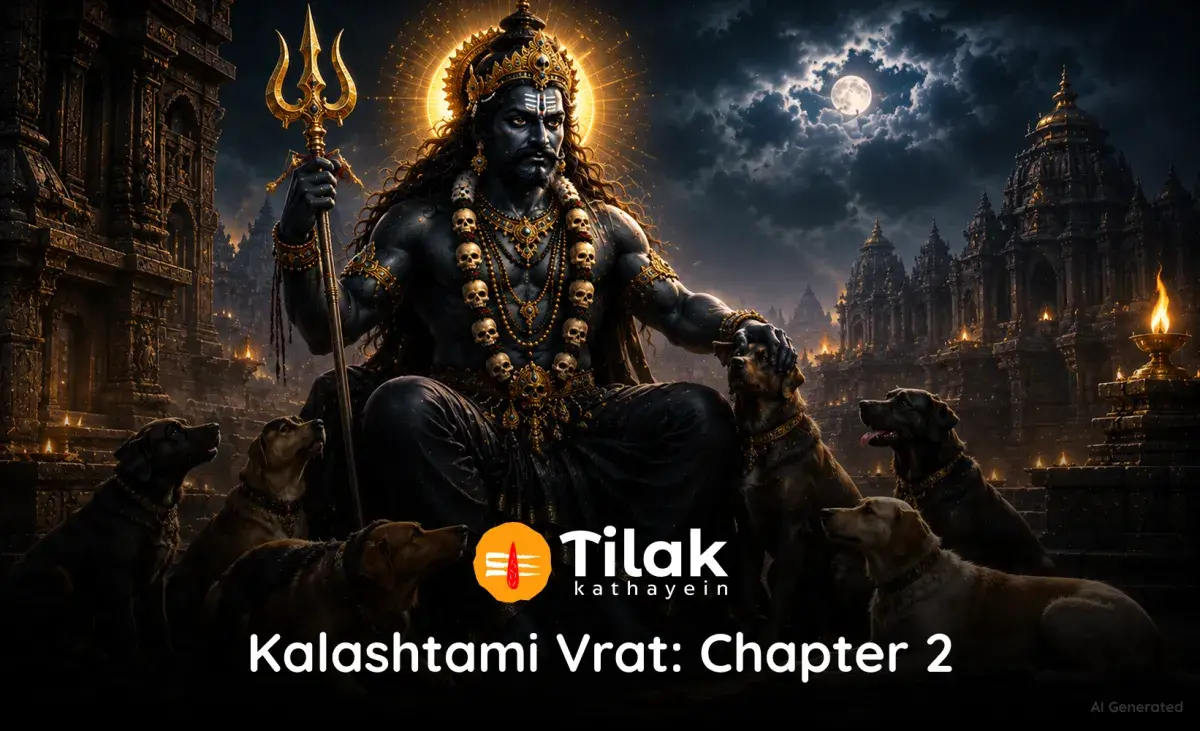
Kalashtami Vrat – Chapter 2: Devotee's Plea and Devotion
कालाष्टमी व्रत का अध्याय 2 — भक्त की विनती और भक्ति। इस अध्याय में, एक भक्त की सच्ची भक्ति और भगवान भैरव से उसकी पुकार का वर्णन किया गया है।