
The Story of Karna | The Complete Story and Teachings of Karna
📋 Table of Contents
The Story of Karna – Introduction
The story of Karna is taken from the Mahabharata, one of the most important texts of Indian culture. Its main theme is generosity, which reflects Karna's qualities of selfless giving. This story is famous for Karna's sacrifice, courage, and generosity, which establish him as a unique warrior and philanthropist.
This story holds a special place in Hindu culture, teaching us that we should follow Dharma even in adverse circumstances. It has been inspiring people since ancient times and reminds us that true greatness lies in selfless service and charity.
Character Introduction
Karna: Son of Surya Deva and Kunti, born with divine armor and earrings. He was a great warrior and philanthropist who always kept his word. His role in the story is that of a hero who fights for his identity and rights but ultimately becomes immortal due to his generosity.
Kunti: Mother of the Pandavas and Karna's birth mother, who abandoned Karna due to social fear. Her role is that of a mother concerned about her son's future, but forced to abandon him due to circumstances.
Arjuna: One of the Pandavas and Karna's rival. He was a great archer and stood against Karna in battle. Arjuna's role in the story is as a symbol of righteousness and justice.
Krishna: An avatar of Vishnu and Arjuna's charioteer. He was the guide of the Pandavas in the Mahabharata war and tested Karna's dharma and generosity. Krishna's role in the story is as a symbol of dharma and ethics.
Draupadi: Wife of the Pandavas, who was insulted in front of Karna. Draupadi's role in the story is as a symbol of injustice and insult, which led to war and destruction.
The Story of Karna – Complete Story
The story of Karna begins when Kunti, to test a boon given by Sage Durvasa, invokes Surya Deva. As a result, she has a son who is born with divine armor and earrings. Kunti, due to social fear, abandons the child in the river.
The child is found by Adhiratha, a charioteer, and his wife Radha, who raise him as their son and name him Karna. Karna was interested in valor and warfare from childhood, but faced difficulties in receiving proper education due to not being a Kshatriya. He goes to Dronacharya for education but is refused because he is a Shudra.
Karna does not give up and pretends to be a Brahmin to receive education from Parashurama. Parashurama teaches him the art of warfare, but one day, when the truth is revealed, he curses Karna that he will forget his learned knowledge at the most crucial moment.
Once, Karna accidentally kills a cow, for which he is cursed by the cow's owner that his chariot wheel will get stuck in the earth during battle. Both these curses play a significant role in Karna's life.
In the battle of Kurukshetra, Karna fights on the side of the Kauravas. He stands against Arjuna, and a fierce battle ensues between the two. During the battle, Karna's chariot wheel gets stuck in the earth, and he gets down to retrieve it. At that very moment, Krishna tells Arjuna to shoot Karna with an arrow, as Karna is unarmed and it is improper to strike him according to dharma.
Arjuna, obeying Krishna's words, shoots an arrow at Karna, leading to his death. After Karna's death, Krishna tells Kunti that Karna was her own son, whom she had abandoned after birth. Kunti and the Pandavas mourn Karna's death, and this story becomes immortal as a symbol of generosity and sacrifice.
Lessons from the Story
- Main Message – The story of Karna teaches us that generosity is the greatest virtue and we should help others selflessly. This story also teaches us that a person becomes great by deeds, not by birth.
- Moral Education – From this story, we get the moral lesson that we should keep our promises and follow the path of dharma even in adverse circumstances. We should never judge anyone based on their caste or social status.
- Modern Relevance – In today's life, this story inspires us to be kind and generous towards others. It teaches us that true greatness lies in selfless service and charity, which is as important today as it was before.
Frequently Asked Questions
In which scripture is the story of Karna found?
The story of Karna is extensively described in the Adi Parva, Karna Parva, and Shanti Parva of the Mahabharata. These parvas mention events related to Karna's birth, education, battle, and death.
What lesson is learned from the story of Karna?
From the story of Karna, we learn that we should practice generosity, keep our promises, and follow dharma. This story also teaches us that we should not abandon our values even in adverse circumstances and should help others selflessly.
Conclusion
The story of Karna remains eternally relevant as it reflects profound lessons of generosity, making it unique among Hindu tales. This story teaches us that true greatness lies in selfless service, and we must keep our promises, no matter how difficult the circumstances may be.
We encourage you to share this inspiring story with others, so they too can understand the importance of generosity and sacrifice. Jai Shri Krishna!
Today's Panchang 28 October 2026
For auspicious times, choghadiya, horoscope and planetary positions
Related Articles
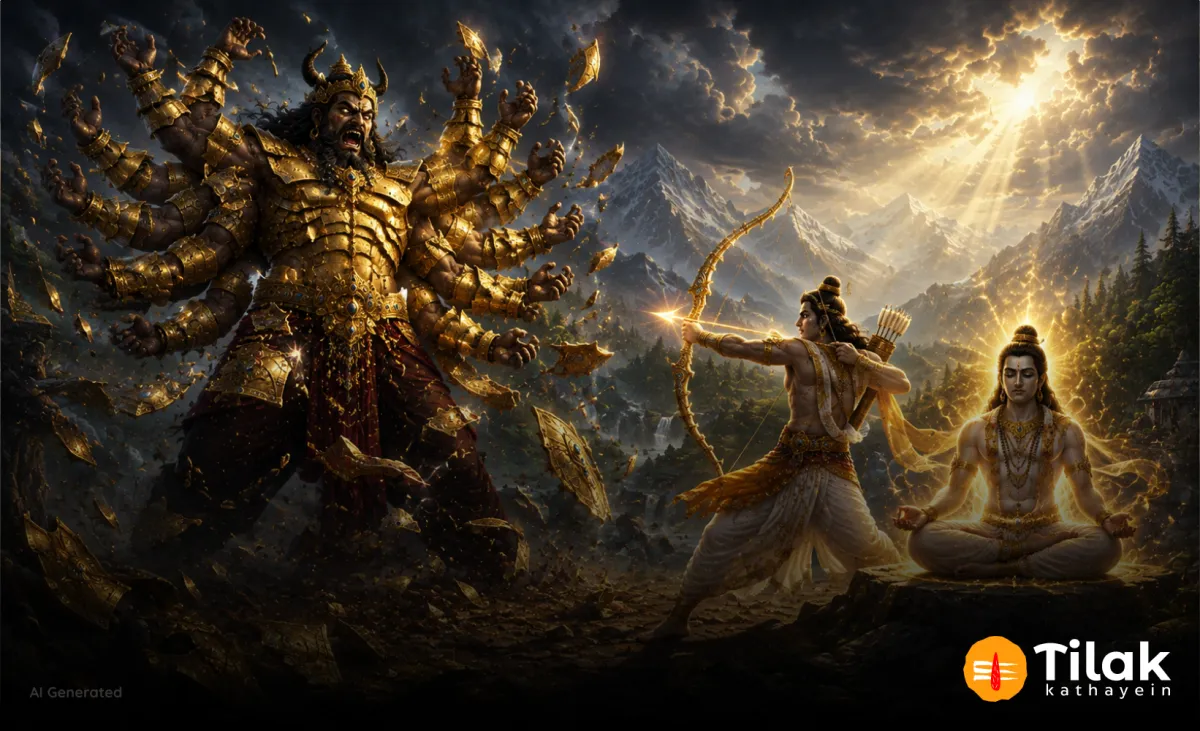
How did Karna's story begin thousands of years ago? A mysterious secret connected to the Mahabharata
**कर्ण** महाभारत के सबसे रहस्यमयी और महान योद्धाओं में से एक थे, लेकिन उनकी कहानी केवल कुरुक्षेत्र युद्ध से शुरू नहीं होती। उनके जन्म, सूर्यदेव से संबंध, कुंती के रहस्य और जीवन में मिले शाप-वरदानों ने उनके भाग्य को जन्म से ही प्रभावित किया। विभिन्न पौराणिक परंपराओं में कर्ण से जुड़े पूर्वजन्म और प्राचीन घटनाओं की भी अलग-अलग मान्यताएं मिलती हैं। इस लेख में जानें कर्ण की कहानी की शुरुआत, उनके जन्म का रहस्य, सूर्यदेव से दिव्य संबंध और महाभारत से जुड़े उन पौराणिक प्रसंगों को, जिन्होंने उनके जीवन की दिशा तय की।
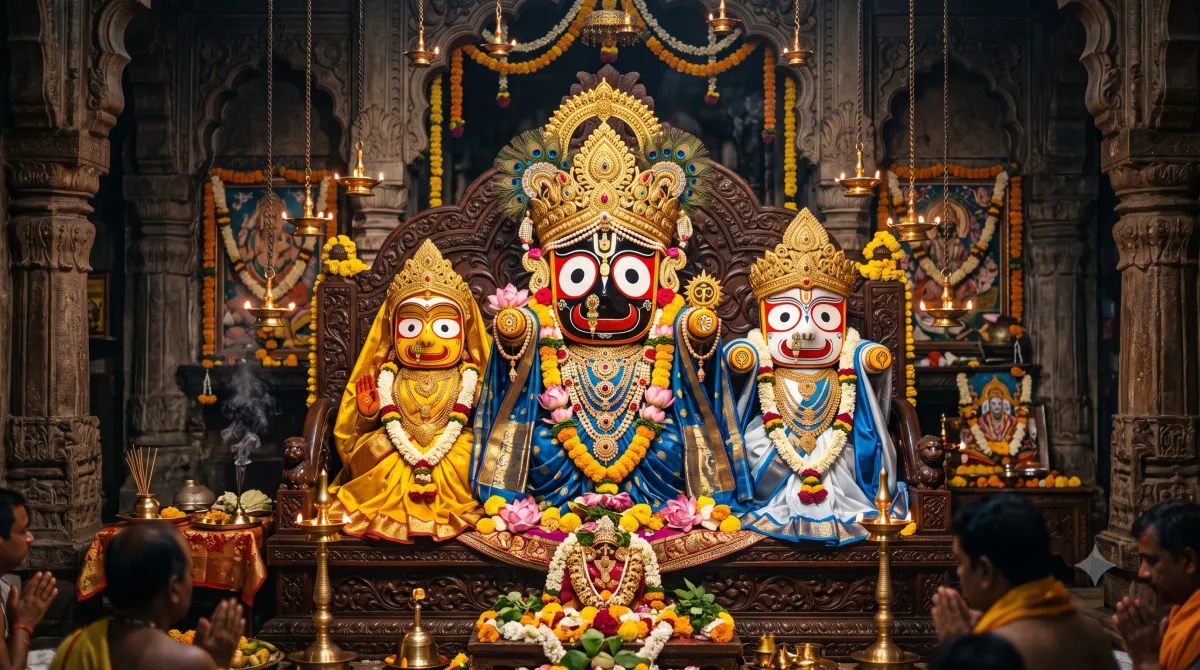
Introduction to Lord Jagannath | History, Mythology, Form, and Significance
भगवान जगन्नाथ भगवान श्रीकृष्ण के दिव्य स्वरूप माने जाते हैं और ओडिशा के पुरी में स्थित श्री जगन्नाथ मंदिर विश्वभर के करोड़ों श्रद्धालुओं की आस्था का केंद्र है।

Why Do We Say "Swaha" During Havan?
स्वाहा हिंदू धर्म में एक महत्वपूर्ण मंत्र है, जो यज्ञ में आहुति की पूर्णता का प्रतीक है। यह देवी स्वधा का एक रूप है और पितरों को तृप्त करने व देवताओं को प्रसन्न करने के लिए प्रयोग किया जाता है।

Kalashtami Vrat – Chapter 5: The Fruit and Lesson of Devotion
कालाष्टमी व्रत का अध्याय 5 — भक्ति का फल और सीख। यह अंतिम अध्याय बताता है कि कालाष्टमी व्रत रखने से प्राप्त होने वाले परिणाम और इससे मिली सीख क्या है।

Kalashtami Vrat – Chapter 4: Divine Intervention and Blessings
कालाष्टमी व्रत का अध्याय 4 — दिव्य हस्तक्षेप और आशीर्वाद। अध्याय चार में, भगवान भैरव भक्त की अटूट भक्ति से प्रसन्न होते हैं और उसे अपना आशीर्वाद देते हैं।

Kalashtami Vrat – Chapter 3: Facing Trials and Tribulations
कालाष्टमी व्रत का अध्याय 3 — परीक्षा और कष्टों का सामना। इस अध्याय में, भक्त को भगवान की कृपा प्राप्त करने से पहले कई बाधाओं और परीक्षाओं का सामना करना पड़ता है।