
Ganesh Chaturthi Vrat Katha: Know the Complete Puranic Story, Puja Vidhi, and Significance of the Fast
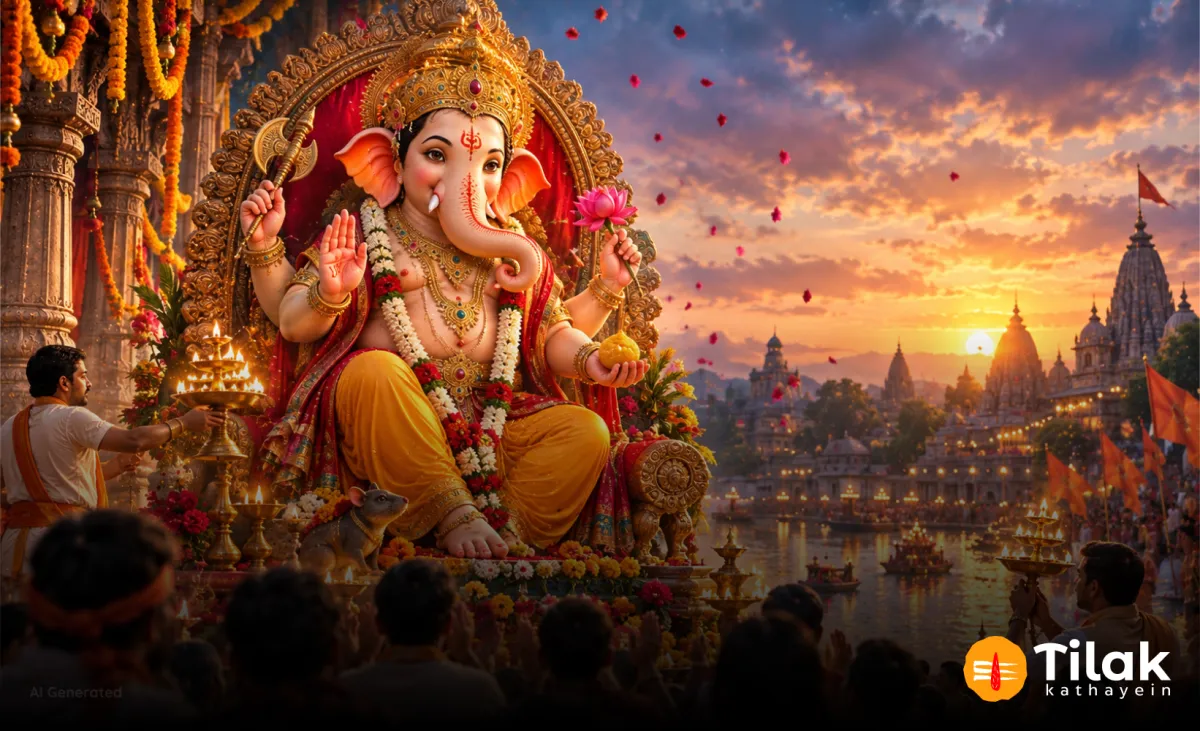
Ganesh Chaturthi Puja Vidhi: A Simple Guide to Installing and Worshipping Ganpati at Home
As the Chaturthi of the Shukla Paksha in the month of Bhadrapada arrives, every home's courtyard is filled with a unique joy. Somewhere, beautiful pandals are decorated to welcome Bappa, and somewhere, the sweet aroma of fresh modaks and gram flour ladoos wafts from the kitchen. Amidst the sounds of dhol-tasha and chants of "Ganpati Bappa Moriya," when Gajanan graces our homes, it feels as if a most beloved member of the family has returned.
In the Sanatan tradition, Lord Ganesh is not only considered the remover of obstacles but also the foundation of intellect, wisdom, and every auspicious beginning. If you too are going to install Ganpati Bappa in your home on this holy occasion, it is natural to wonder where to start the preparations. Worship does not need to be very complex or ostentatious—God only craves true devotion. Let us understand the entire ritual, from Bappa's arrival to his departure, in a simple and easy way.
Significance of Ganesh Chaturthi: Not Just Worship, but a Celebration of Family and Values
It is a religious belief that Lord Ganesh manifested on the auspicious day of Bhadrapada Shukla Chaturthi. Worshipping him on this day removes the biggest obstacles in life and brings peace and happiness to the home.
But this festival has another beautiful aspect—the bonding of family. In today's fast-paced life, when people become distant even while living under the same roof, Ganesh Utsav brings everyone together. Children help in decorating the altar, elders manage the puja arrangements, and as evening falls, the entire family claps together during the aarti. The form of Lord Ganesh teaches us how to move forward in life with intelligence and patience.
Essential Puja Materials and List of Beloved Offerings
To avoid getting up repeatedly during the puja, arrange all necessary items in a thali beforehand. If any of these items are not available, do not worry at all—offering water and akshat with devotion is equally fruitful.
| Puja Material | Significance and Use |
|---|---|
| Ganesh Idol | An idol in a seated posture made of natural clay (eco-friendly) is considered best. |
| Chowki and Red/Yellow Cloth | A clean wooden chowki for the idol's seat and new cloth. |
| Kalash and Coconut | A copper/brass kalash filled with water, with mango or ashoka leaves on top and a coconut with husk. |
| Durva Grass (21 knots) | Extremely dear to Bappa; it symbolizes cooling energy and relief from suffering. |
| Red Flowers and Vermilion | Red hibiscus or rose flowers, sandalwood, roli, and Bappa's favorite vermilion. |
| Modak and Ladoos | The main naivedya (offering) to the Lord. Boondi or gram flour ladoos can also be offered. |
| Akshat, Incense, and Lamp | Whole unbroken rice grains, a lamp of cow's ghee, and fragrant incense. |
| Panchamrita and Fruits | A mixture of milk, yogurt, ghee, honey, and sugar, and seasonal fruits (especially bananas). |
| Betel Leaf, Betel Nut, and Dakshina | Offering of tambool and dakshina according to devotion. |
Ganesh Installation and Complete Puja Method (Step-by-Step)
The method of installing and worshipping Lord Ganesh is very simple. In the morning, after bathing, wear clean clothes, and with Bappa in your mind, complete the puja in this order:
1. Installation and Seat
Purify the puja space in the Ishan corner (north-east) or east direction of the house by sprinkling Ganga water. Place a wooden chowki and spread a red or yellow cloth on it. In the center of the chowki, make an eight-petaled lotus with akshat (rice) and respectfully install Bappa's idol on it. Place a kalash filled with water nearby.
2. Sankalpa and Meditation
Sit on a Kush or woolen mat in front of the chowki. Take a little water, akshat, and a flower in your right hand, close your eyes. Take a sankalpa (vow) by praying to Lord Ganesh for the well-being of your family, removal of troubles, and a life free from obstacles, and then pour the water on the ground.
3. Invocation and Welcome
With folded hands and a heartfelt prayer, say: "O Gajanan, Remover of Obstacles! Please grace our home, accept our love and hospitality, and stay with us throughout the festival, bestowing your blessings."
4. Padyam, Arghyam, and Bath
With a small achmani or spoon, symbolically offer water at Bappa's feet. If the idol is made of clay, do not pour too much water directly on it—sprinkle a few drops of Ganga water and Panchamrita with the help of a betel leaf or flower. After this, offer a kalawa or sacred thread as clothing.
5. Tilak, Sandalwood, and Akshat
Apply a Tripundra or tilak of yellow sandalwood and roli on Lord Ganesh's forehead. Offer his favorite vermilion and whole akshat.
6. Offering Durva and Red Flowers
Worship of Lord Ganesh is considered incomplete without Durva. Make 21 knots of clean, washed Durva and offer them at his feet or forehead while chanting "Om Gam Ganapataye Namah." Along with this, offer red hibiscus or any fragrant flower.
7. Incense, Lamp, and Naivedya (Offering)
Light a ghee lamp and incense sticks. Then, offer Bappa his favorite modaks, ladoos, seasonal fruits, and betel leaf and nut. Keep a feeling of devotion in your heart while making the offering.
Mantra Chanting and Kirtan
After making the offering, sit quietly for a few moments and meditate on Bappa's divine mantras. The simplest and most potent mantra for general home puja is:
॥ Om Gam Ganapataye Namah ॥
If possible, chant this mantra one mala (108 times) using a rudraksha or sandalwood rosary. Additionally, reciting the Ganesh Atharvashirsha or Sankatnashan Ganesh Stotra fills the home environment with wonderful positive energy.
Aarti of Lord Ganesh and Prayer for Forgiveness
The puja is completed with the aarti. Gather all family members and sing Bappa's holy aarti with the sound of bells and manjiras:
"Jai Ganesh, Jai Ganesh, Jai Ganesh Deva. Mata Jaki Parvati, Pita Mahadeva..."
After the aarti concludes, move the thali around the entire house so that the sacred energy reaches every corner. Finally, with folded hands, ask Bappa for forgiveness for any mistakes: "O Lord, we do not know the intricate rules of worship, we have called out to you only with devotion. If any mistake has been made, please forgive us as your child." Then, distribute the prasad among everyone and partake of it yourself.
Vrat, Rules, and What Not to Do: A Simple Life Guide
Observing a fast on Ganesh Chaturthi depends entirely on your devotion and health. If your body does not permit, you can perform the puja with a sattvic fruit diet instead of a strict fast. Observe these restrictions during the puja:
- Avoid Anger and Harsh Words: Do not engage in arguments, shouting, or abusive language at home. Bappa resides in homes filled with love and harmony.
- Do Not Offer Tulsi Leaves: According to mythological belief, offering Tulsi in the worship of Lord Ganesh is forbidden. Durva is paramount in his worship.
- Sattvic Environment: Do not use onion, garlic, and tamasic food at home. Maintain simplicity and cleanliness.
- Do Not Leave the Idol Alone: As long as Ganesh Ji is residing in the house, do not leave the house completely locked and empty. At least one member should be present at home.
- Respect for the Environment: At the end of the festival, during immersion, do not pollute water bodies. Bring an idol made of clay so that it can be immersed at home in a pot or a clean water container.
Frequently Asked Questions (FAQs)
1. Which direction is most auspicious for installing Ganesh at home?
The Ishan corner (north-east) of the house is considered most auspicious for installing the Ganesh idol. If this is not possible, installation can also be done facing the east or north direction.
2. Why is Durva so dear to Lord Ganesh?
According to a legend, when Lord Ganesh swallowed a demon named Anlakasur, he experienced intense burning in his stomach. Sage Kashyap gave him 21 knots of Durva to eat, which soothed his burning. Since then, Durva is extremely dear to Bappa.
3. Is it forbidden to look at the moon on Ganesh Chaturthi?
Yes, according to popular belief, looking at the moon on the night of Bhadrapada Shukla Chaturthi can lead to the fear of being falsely accused. In the Dvapara Yuga, Lord Krishna was also falsely accused of stealing the Syamantaka jewel. If one accidentally sees the moon, the sin is absolved by hearing the story of the Syamantaka jewel.
4. What if we cannot perform aarti daily at home?
For as many days as Bappa resides in the house, aarti should be performed at least in the morning and evening with fresh water and a lamp. If time is a constraint, the family should collectively observe the ritual of aarti and offering for at least 5 minutes with a calm mind.
Conclusion: Imbibe Bappa's Teachings in Life
The true beauty of Ganesh Chaturthi lies not in the count of rituals, but in the pure devotion of the heart. His large ears teach us to listen attentively, his small eyes to think deeply, and his vast belly to digest all good and bad things and maintain patience.
This time when you welcome Bappa, do not just ask for happiness and prosperity, but pray that he grants you the wisdom to discern between right and wrong.
Ganpati Bappa Moriya, Mangalmurti Moriya!
May the Remover of Obstacles remove all troubles from your home and family and fill your life with joy and prosperity.
Read Also
Today's Panchang 13 September 2026
For auspicious times, choghadiya, horoscope and planetary positions
Related Articles
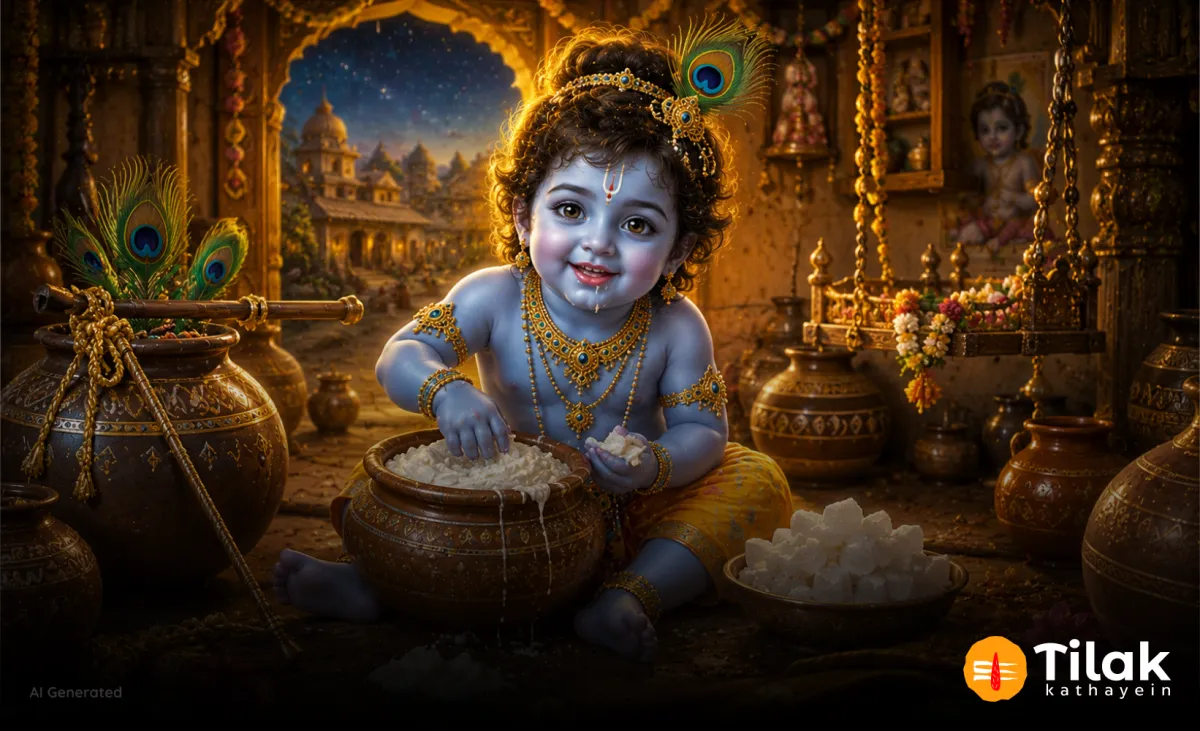
Janmashtami 2026: Why is Makhan-Mishri dear to Shri Krishna? Mythological story and mystery
**जन्माष्टमी 2026** पर भगवान श्रीकृष्ण को माखन-मिश्री का भोग लगाने की परंपरा विशेष रूप से लोकप्रिय है। बाल गोपाल की माखन चोरी की लीलाएं उनकी बालसुलभ चंचलता और भक्तों के प्रति प्रेम को दर्शाती हैं। माखन को प्रेम और सरलता का प्रतीक माना जाता है, जबकि मिश्री मिठास और शुद्ध भाव का प्रतीक मानी जाती है। इस लेख में जानें श्रीकृष्ण को माखन-मिश्री क्यों प्रिय मानी जाती है, इससे जुड़ी पौराणिक कथा, धार्मिक महत्व और जन्माष्टमी पर भोग लगाने की परंपरा।
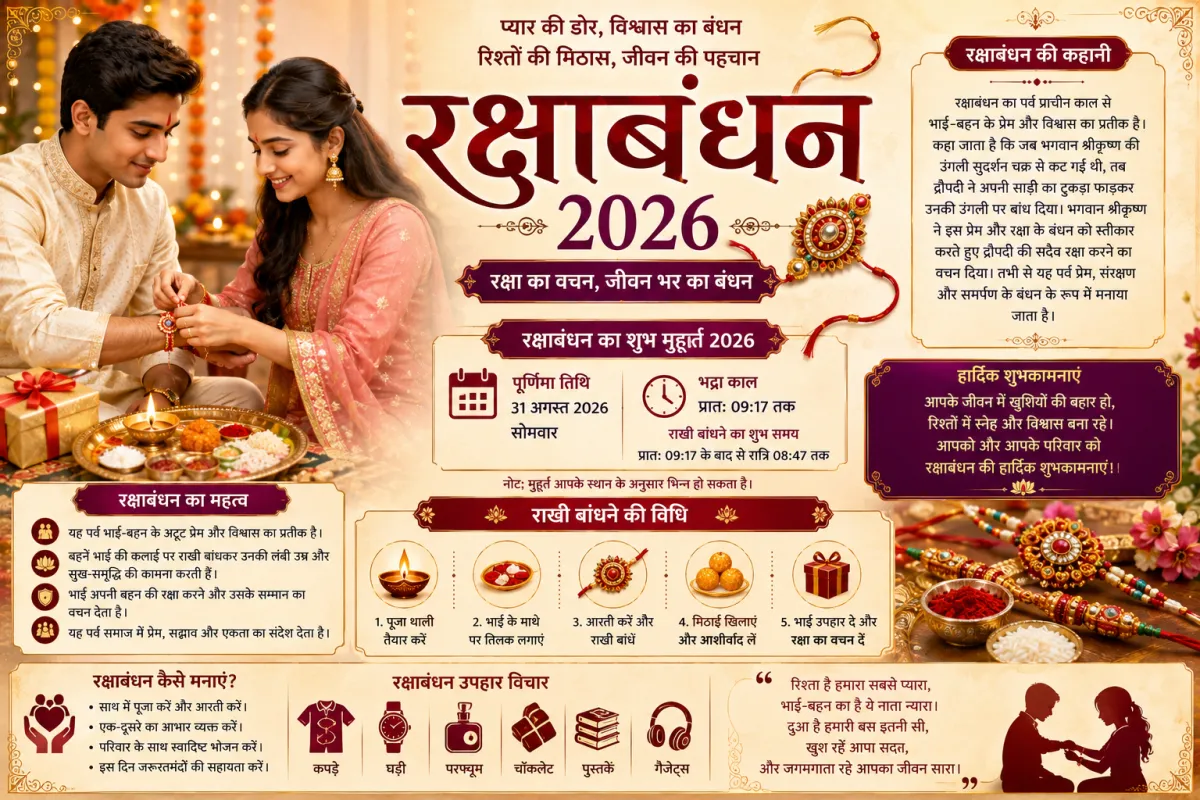
Raksha Bandhan 2026: Auspicious Time, Rakhi Tying Time, Puja Vidhi, and Mythological Stories
**रक्षाबंधन 2026** भाई-बहन के प्रेम, स्नेह और सुरक्षा के संकल्प का पवित्र पर्व है। इस दिन बहनें भाई की कलाई पर राखी बांधकर उसकी सुख-समृद्धि और दीर्घायु की कामना करती हैं। रक्षाबंधन से जुड़ी कई पौराणिक कथाएं भी प्रचलित हैं, जो इस पर्व के धार्मिक महत्व को दर्शाती हैं। इस लेख में जानें रक्षाबंधन 2026 की तिथि, शुभ मुहूर्त, राखी बांधने का सही समय, भद्रा काल, पूजा विधि, राखी की थाली की सामग्री और प्रमुख पौराणिक कथाएं।
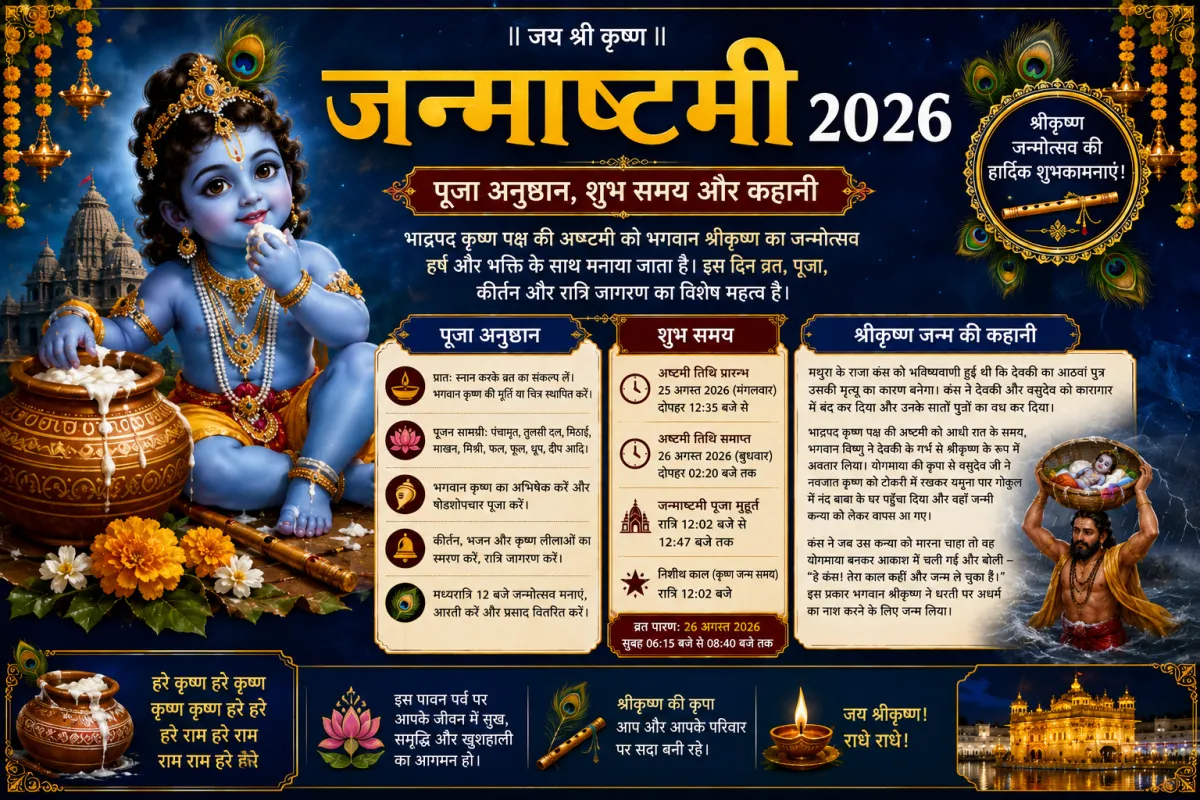
Janmashtami 2026: Puja Rituals, Auspicious Time, Vrat Katha, and the Story of Shri Krishna's Birth
जन्माष्टमी 2026 भगवान श्रीकृष्ण के जन्मोत्सव का पावन पर्व है। जानें पूजा अनुष्ठान, शुभ समय, व्रत विधि, श्रीकृष्ण जन्म की कथा, पूजा सामग्री और इस पर्व के धार्मिक महत्व के बारे में।
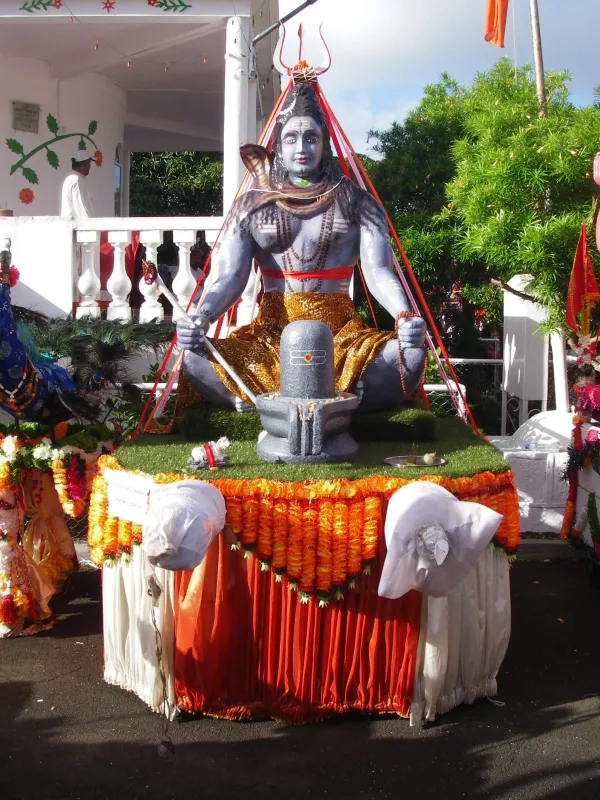
Mahashivratri | Mahashivratri - Puja Vidhi, Significance, Story 2026
महाशिवरात्रि 2026 – पूजा विधि, पौराणिक कथा, महत्व और परंपराएं। संपूर्ण जानकारी हिंदी में।
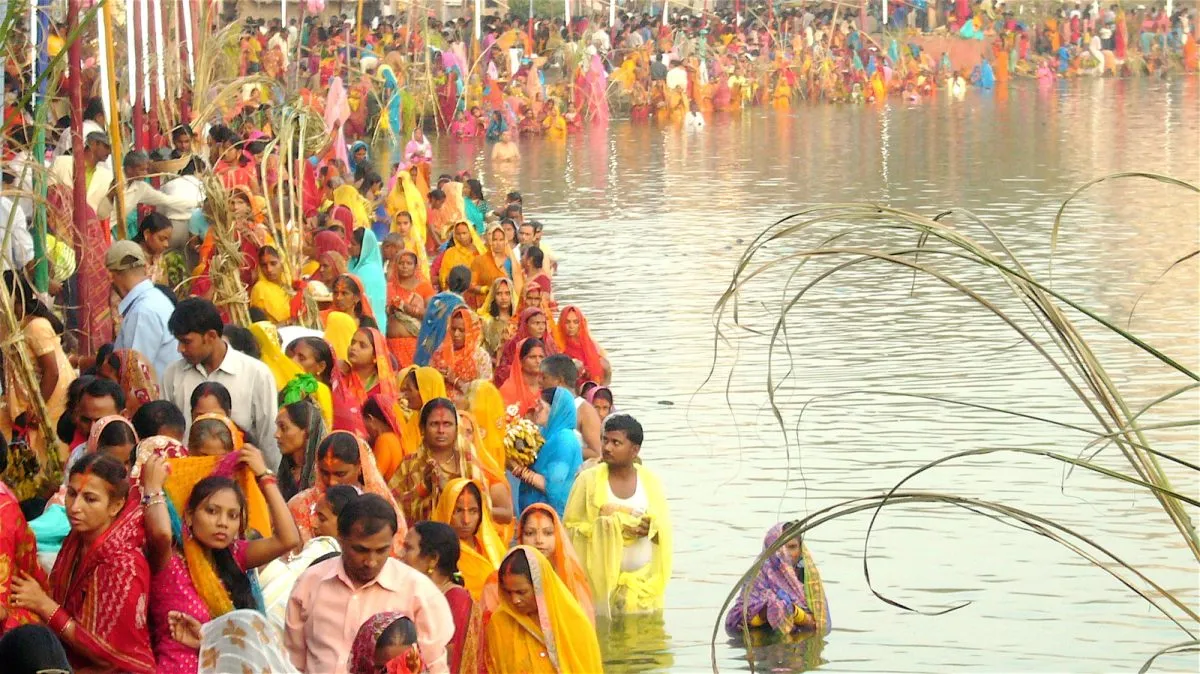
Chhath Puja - Worship Method, Significance, Story 2026
छठ पूजा 2026 – पूजा विधि, पौराणिक कथा, महत्व और परंपराएं। संपूर्ण जानकारी हिंदी में।
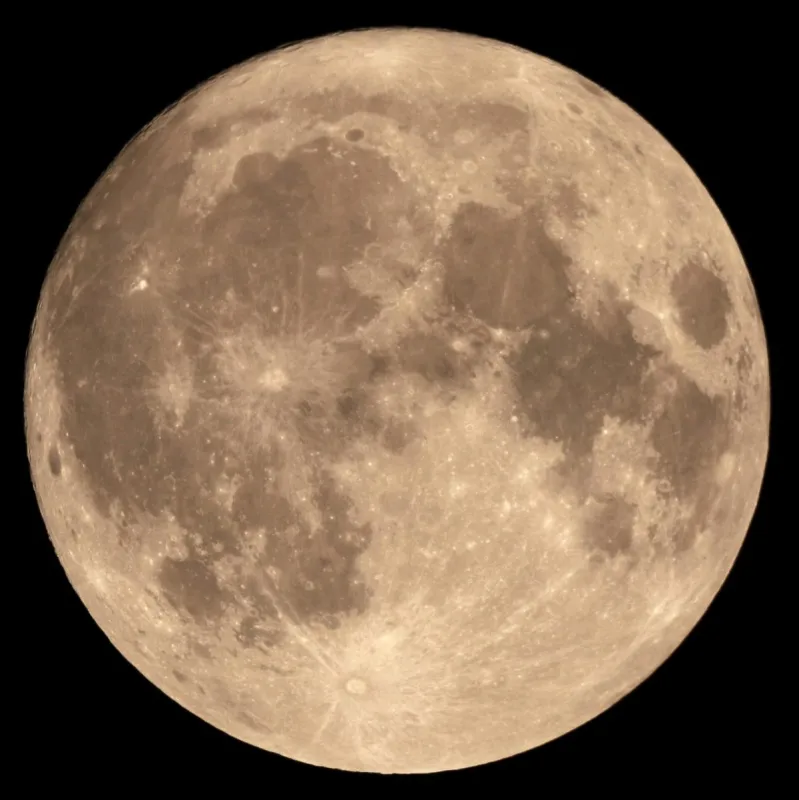
Sharad Purnima | Sharad Purnima - Puja Vidhi, Significance, Story 2026
शरद पूर्णिमा 2026 – पूजा विधि, पौराणिक कथा, महत्व और परंपराएं। संपूर्ण जानकारी हिंदी में।